

You might not be paying attention to the Iran war, but your wallet is. This week, major American companies started doing what they always do when costs rise: passing them straight to you.
Amazon just slapped sellers with a 3.5% "fuel surcharge." United Airlines and JetBlue both raised baggage fees. Moving companies are tacking on diesel surcharges. And if you think this is temporary, I have bad news: these fees are never coming back down.
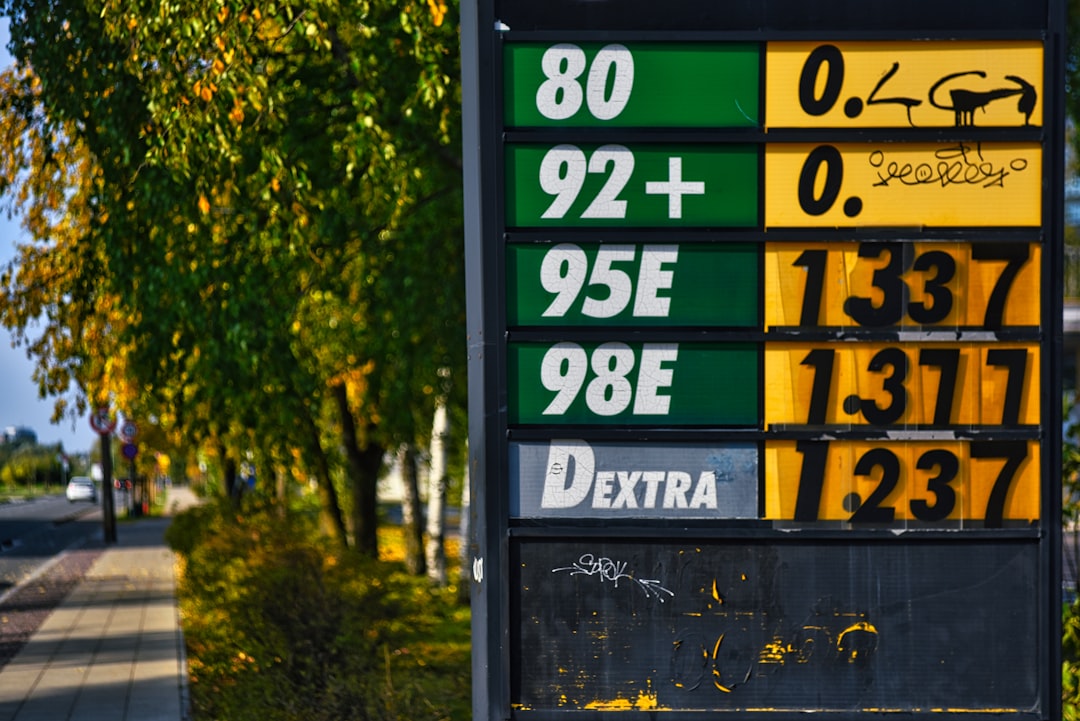
Here's how the war tax works: Diesel and jet fuel prices have spiked since the conflict started. For most businesses, fuel is a variable cost that used to run 3-5% of revenue. Now? It's doubled to 6-10% for logistics companies, according to Nick Friedman, co-founder of College Hunks Hauling Junk and Moving.
Friedman told CNBC his company is in a bind. "We are in a bit of a Catch-22. Our fear would be if we start raising prices it will hurt our customers." But here's the thing: bigger companies don't have that fear. They're just raising prices.
Amazon's fuel surcharge is a perfect example. They're calling it "meaningfully lower" than other carriers, which is corporate speak for "we're charging you more but pretending it's a deal." And because Amazon controls so much of e-commerce, sellers have no choice but to eat the cost or pass it to consumers. Guess which one they're choosing.
JetBlue defended their baggage fee hike by saying they need to "manage those costs while keeping base fares competitive." Translation: we're hiding the price increase in fees instead of the ticket price, because that's how we trick the fare comparison algorithms.
Why these fees are permanent: Companies love using external shocks - wars, pandemics, hurricanes - as cover to raise prices. But here's the dirty secret: even when costs normalize, the fees don't disappear. Remember all those "COVID surcharges" from 2020? Most of them are still on your bill, just renamed.
The war gives companies political cover. "It's not us, it's the war!" But once customers accept the new price point, there's zero incentive to lower it back. Especially in industries with limited competition, like airlines and e-commerce logistics.
And it gets worse. Unlike the Great Recession or COVID, the government isn't riding to the rescue this time. CNBC quoted analysts saying "policy is likely not riding to the rescue like it did during the Covid era." No stimulus checks. No PPP loans. No bailouts for small businesses getting crushed by fuel costs.
What this means for your budget: If you fly, ship products, or hire movers, expect to pay 5-10% more for the foreseeable future. These aren't one-time surcharges - they're the new baseline. And because inflation is already elevated, the Fed isn't going to cut rates to help consumers absorb these costs.
Businesses are also getting squeezed. Friedman's franchise model puts 200+ locations in precarious positions. Small operators can't absorb doubled fuel costs the way Amazon and United can. Some will raise prices and lose customers. Others will eat the cost and go bankrupt. Either way, consumers lose.
The bottom line: The war tax is real, it's here, and it's not going away. Budget accordingly.


