

The Organization for Economic Cooperation and Development warned Wednesday that the ongoing conflict in the Middle East will push U.S. inflation above 4 percent this year, marking a significant setback for American households still recovering from the post-pandemic price surge.
The Paris-based organization revised its U.S. inflation forecast upward from 2.8 percent to 4.2 percent for 2026, citing the war's devastating impact on global energy infrastructure. According to French officials, between 30 and 40 percent of Persian Gulf energy facilities have been destroyed or damaged in recent strikes, sending oil prices soaring to levels not seen since the early weeks of the pandemic.
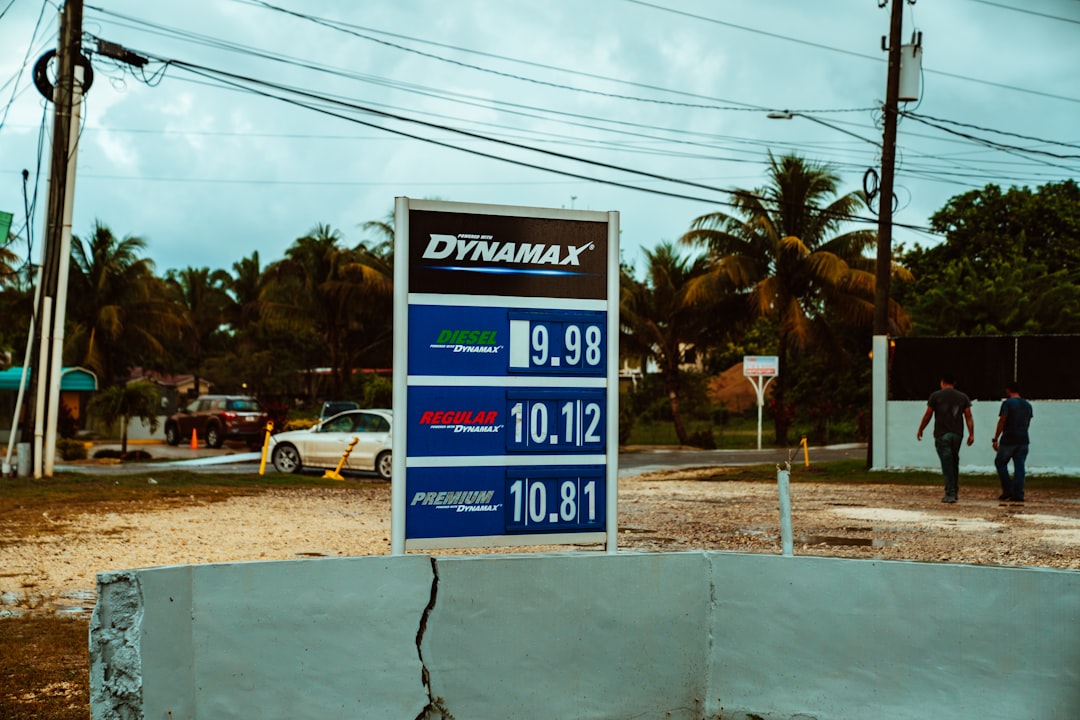
For ordinary Americans, the OECD projection translates to continued pain at the pump and grocery store. Energy analysts expect gasoline prices to climb another 40 to 60 cents per gallon in the coming weeks, while food costs—heavily dependent on transportation and petrochemical-based fertilizers—will likely follow suit.
"This is not what the Federal Reserve wanted to see," said Jerome Powell, chair of the Federal Reserve, speaking at a banking conference in Washington. The central bank had been preparing to cut interest rates this spring after inflation appeared to be moderating toward its 2 percent target. Those plans are now on hold indefinitely.
The inflation surge hits swing state voters particularly hard. In Pennsylvania and Michigan, where manufacturing and logistics sectors dominate local economies, higher fuel costs ripple through entire communities. Congressional sources told reporters that lawmakers from both parties are receiving angry calls from constituents struggling with rising costs.
The OECD's forecast extends beyond the United States. European economies are projected to see inflation rates climb to 3.5 percent, while emerging markets dependent on food and fuel imports face even steeper increases. The organization called the war's economic impact "the most significant supply shock since the 1970s oil crisis."
The White House has yet to announce specific measures to cushion American consumers from the price increases, though administration officials have ruled out releasing additional oil from the , which remains at historically low levels following previous interventions.



