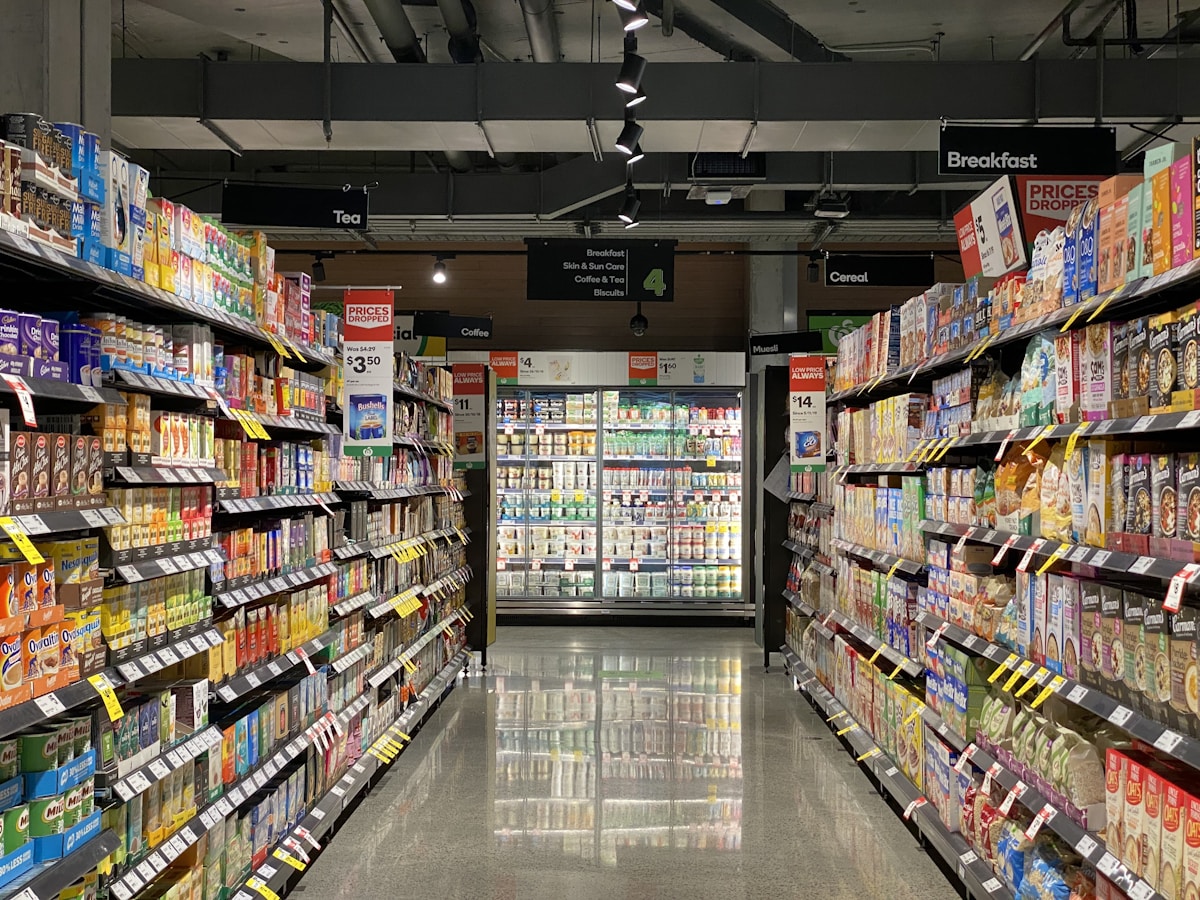
Walmart just announced something that sounds boring but isn't: digital price labels on every shelf in every U.S. store by the end of 2026. The press release talks about "improved customer experience" and "better inventory management." The real story is about the infrastructure for surge pricing coming to your grocery aisle.
Digital shelf labels aren't new technology. European retailers have been using them for years. What's new is the scale - we're talking about the largest retailer in America, with over 4,600 stores, replacing every single paper price tag with a connected display that can be updated remotely in seconds.
The official line from Bentonville is that this is about efficiency. Store employees won't need to manually change prices anymore. Customers will get accurate pricing. Inventory systems will work better. All true. All beside the point.
Here's what the technology actually enables: prices that change based on time of day, local demand, competitor pricing, weather, even individual customer profiles if they're using the Walmart app. The backend systems to do this already exist. Airlines have been doing it for decades. Uber does it every time you need a ride in the rain. The question isn't whether the technology can do dynamic pricing - it's whether Walmart will deploy it, and what the constraints will be.
Walmart says they have no plans for surge pricing on groceries. I've heard similar promises before, back when I was building a fintech startup and every company swore they'd never monetize user data in creepy ways. Then the growth targets came. Then the promises got flexible.
The technology is impressive from an operations standpoint. Coordinating millions of connected displays across thousands of stores, ensuring they stay synced with central pricing systems, handling the inevitable connectivity issues - that's legitimately hard infrastructure work. But the engineering achievement and the policy question are separate things.
What I want to see: transparency requirements. If prices are going to be dynamic, customers deserve to know the algorithm. What factors influence the price? Is it just competition, or does it include demand? Does your shopping history matter? Right now, we're getting the surveillance infrastructure without the disclosure requirements.
The technology is real. The capabilities are significant. The question is whether anyone outside Walmart gets a say in how those capabilities get used.