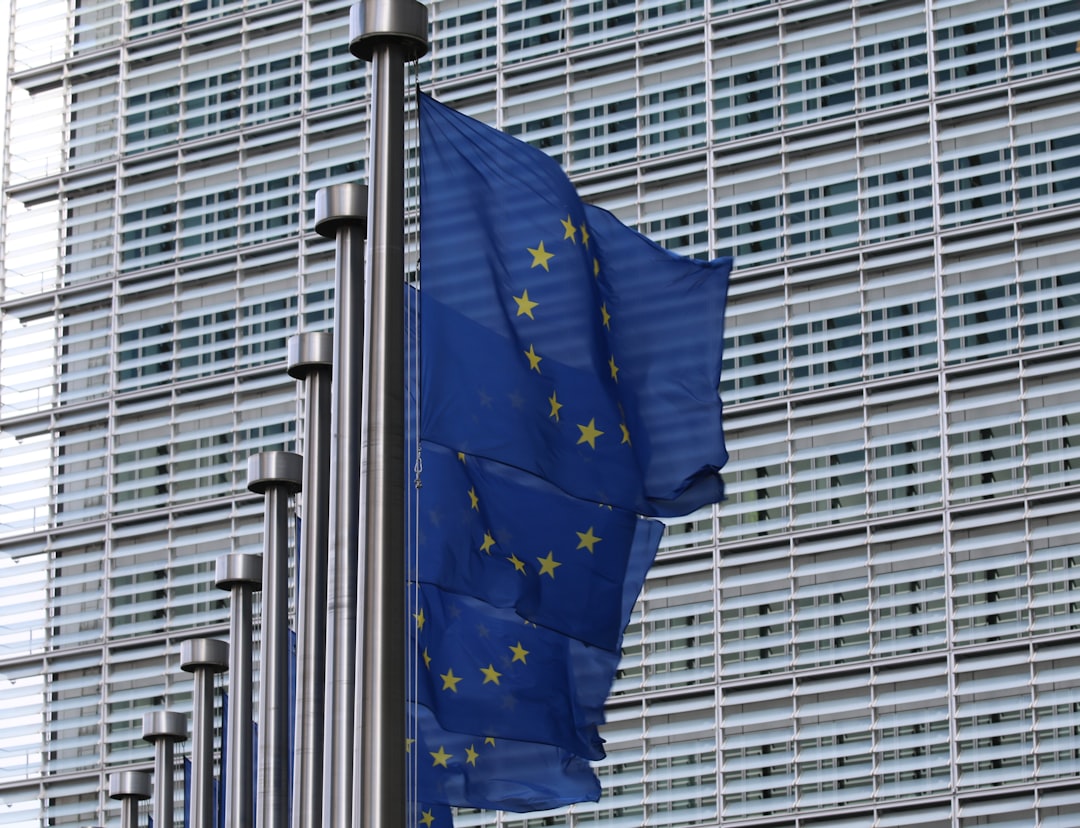
When Ursula von der Leyen uses the word 'urgent' about institutional reform, that's not Brussels bureaucratese—that's crisis mode.
The European Commission President called for sweeping changes to how the EU conducts foreign policy, according to Politico Europe, an admission that the Union's current architecture is inadequate for the geopolitical realities of 2026. Translation: Brussels can write strongly-worded statements faster than anyone, but when Russia invades or China flexes, the EU's 27 capitals often can't agree on much beyond condemning things.
The problem isn't new, but von der Leyen's language is unusually blunt. The EU's foreign policy machinery requires unanimous consent from all member states on major decisions—a system designed for a different era, when the bloc was smaller and threats were more theoretical. Today, that means a single country can block sanctions, arms exports, or diplomatic recognition while the rest of Europe watches.
What she's proposing isn't modest. Von der Leyen wants to move away from unanimity voting in foreign policy matters, shifting to qualified majority voting for at least some decisions. In EU-speak, that's revolutionary. It would mean that Poland couldn't veto sanctions alone, or that Hungary's close ties to Moscow wouldn't paralyze EU Russia policy.
But here's the institutional catch that makes this fascinating: changing how the EU makes foreign policy decisions requires... unanimous agreement to change the unanimity requirement. Yes, you read that correctly. The member states would need to unanimously agree to give up their individual vetoes. Hungary would need to vote to reduce Hungary's own leverage. Good luck with that.
The Commission President's call comes as multiple crises expose the limits of EU foreign policy. The war in Ukraine has shown both the EU's capacity for unity (13 rounds of sanctions, billions in aid) and its constraints (member states still deciding individually on weapons transfers, and occasionally freelancing on peace talks). Meanwhile, 's war in has fractured EU consensus, with member states taking sharply different positions on recognition of Palestinian statehood and arms sales.