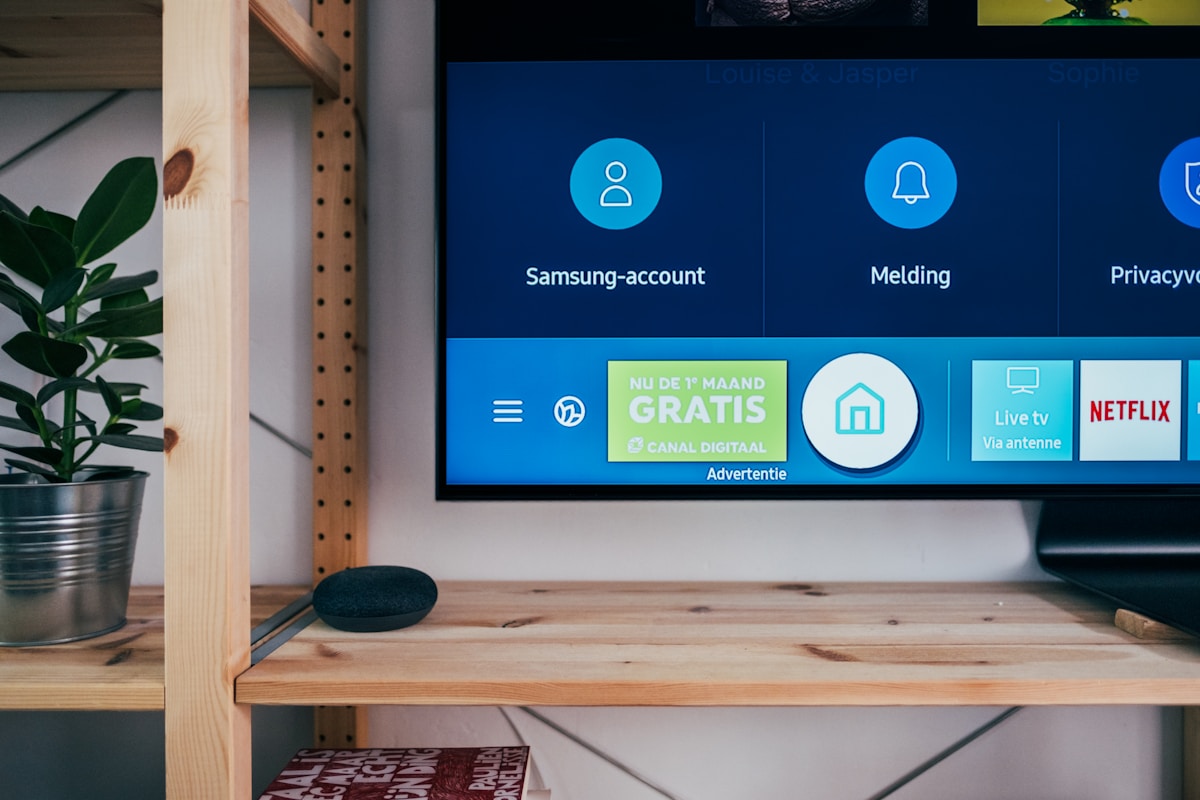
New Vizio TVs will require Walmart accounts to function. Let that sink in for a moment. You buy a television, you take it home, you plug it in, and before you can watch anything, you need to create an account with a retail company.
This isn't about convenience. This is about Walmart building a closed-loop data ecosystem that connects what you watch, what you buy, and how much you'll pay. And the digital price tags they're rolling out to every store are the other half of that system.
Here's what's actually happening: Walmart acquired Vizio earlier this year. Vizio wasn't just a TV manufacturer - they were an advertising and data company that happened to make the hardware for collecting that data. Vizio knows what you watch, when you watch it, and what you do on your TV. That data is valuable. Walmart bought access to it.
Now combine that with what Walmart already knows: what you buy, how often, at what price, what items you search for but don't purchase, what time of day you shop, whether you use coupons. Add in their new digital price tags that can change prices dynamically. See where this is going?
Walmart will know if you're watching weight loss content and can show you diet products at dynamic prices the next time you're in the store. They'll know if you're watching home renovation shows and can adjust prices on tools and supplies. They'll know if you watched a cooking show featuring specific ingredients and can recommend them through the app.
The technical architecture they're building is impressive from an engineering standpoint. Connecting millions of TVs to retail systems, processing viewing data at scale, integrating it with purchase history, adjusting pricing algorithms in real-time - that's hard infrastructure work. But impressive engineering doesn't mean ethical application.
The Walmart account requirement is just the forcing function. Once you've created the account and linked your TV, the data flows automatically. You're not going to read the privacy policy. Most people won't even realize what they're agreeing to. They just want to watch TV.
I've built systems like this. Not at this scale, but the pattern is familiar. You start with "create an account for a better experience." Then you layer on "recommendations just for you." Then you add "personalized pricing." Each step sounds reasonable in isolation. Together, they create a surveillance apparatus most people never consented to in any meaningful sense.
What's particularly clever is making the account mandatory at setup. Not "create an account to unlock features." Not "sign in for a better experience." Just: you need an account to use the TV you purchased. That eliminates the control group of users who opt out. Everyone is in the data collection system by default.
The precedent is concerning. If Walmart can require accounts for TVs, what else can require retail accounts? Appliances? Thermostats? Your car? We're heading toward a world where you can't use the products you own without creating accounts with corporations that want to monetize your behavior.
Here's what I want to see: regulation that requires basic functionality without accounts. Your TV should work as a TV without telling Walmart what you're watching. You can offer enhanced features behind account creation. But basic operation should work offline, privately, independently.
I suspect we won't get that regulation until after the backlash. First comes the data collection. Then comes the privacy scandal when it's revealed what was being tracked. Then come the hearings and promises to do better. Then comes mild regulation that doesn't actually fix the problem.
The technology is sophisticated. The business model is clear. The question is whether consumers will notice what they're giving up before it becomes the normalized default.