Virginia voters cast ballots Monday on a contentious redistricting referendum that could dramatically shift the balance of power in Congress, potentially delivering Democrats as many as four additional House seats in the 2026 midterms.
The constitutional amendment would temporarily bypass the state's bipartisan redistricting commission to enact a new congressional map for the remainder of the decade. If approved, the change would transform Virginia's congressional delegation from its current 6-5 Democratic split to as much as 10-1 in Democrats' favor—a seismic shift in a narrowly divided House where every seat matters.
"This is about congressional control, plain and simple," said one Democratic strategist involved in the campaign. Democrats have framed the measure as necessary retaliation against President Trump's pressure on Republican-led states to redraw their own maps. Republicans counter that the proposal represents partisan gerrymandering at its worst.
A Washington Post/George Mason University poll showed the race within the margin of error—52 percent of likely voters supporting the referendum versus 47 percent opposed. The tight margin reflects deep divisions over whether partisan advantage or process principles should prevail.
The stakes drew national attention and unprecedented spending. Democrats initially held a 17-to-1 fundraising advantage, though the gap narrowed to under 3-to-1 by election eve. Governors Abigail Spanberger and Gavin Newsom, along with Senators Tim Kaine and Mark Warner, backed the measure. Former President Barack Obama lent his support. Opposing them: President Trump, Speaker Mike Johnson, and former Governor Glenn Youngkin.
The political fight has been complicated by legal uncertainty. The Virginia Supreme Court allowed the special election to proceed but "reserved the right to rule on the legality of the measure after the race," meaning voters' decision may not be the final word.
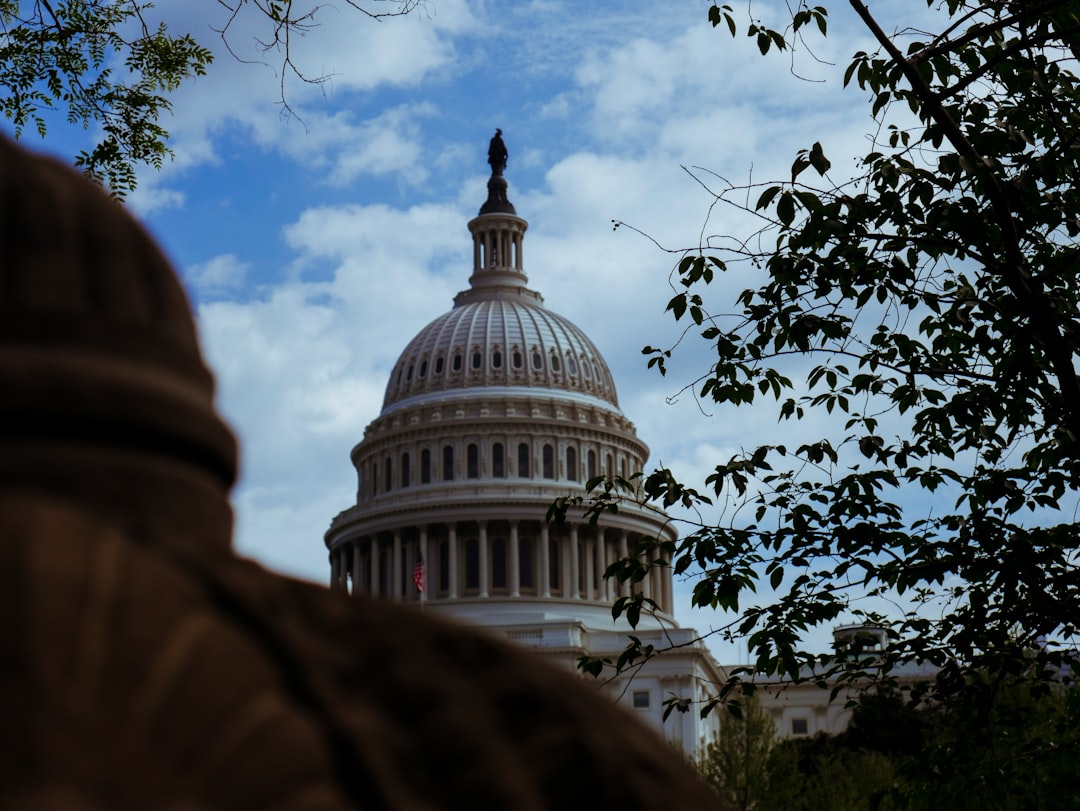
The referendum's outcome carries implications far beyond Virginia. As Americans like to say, 'all politics is local'—even in the nation's capital. But this local decision could determine whether Democrats or Republicans control the House in 2027, affecting everything from federal spending to investigations to Supreme Court confirmations.
Dark money has flooded both sides of the fight, with approximately 95 percent of the nearly $100 million spent coming through tax-exempt nonprofits that don't disclose their donors. The spending arms race has turned what might have been an obscure ballot measure into one of the most expensive state-level campaigns in recent memory.
Polls close at 7 p.m. Eastern, with results expected throughout the evening. Whatever the outcome, the battle over who draws the maps—and who benefits—reflects the high-stakes partisan warfare that has come to define American redistricting in an era of razor-thin congressional majorities.