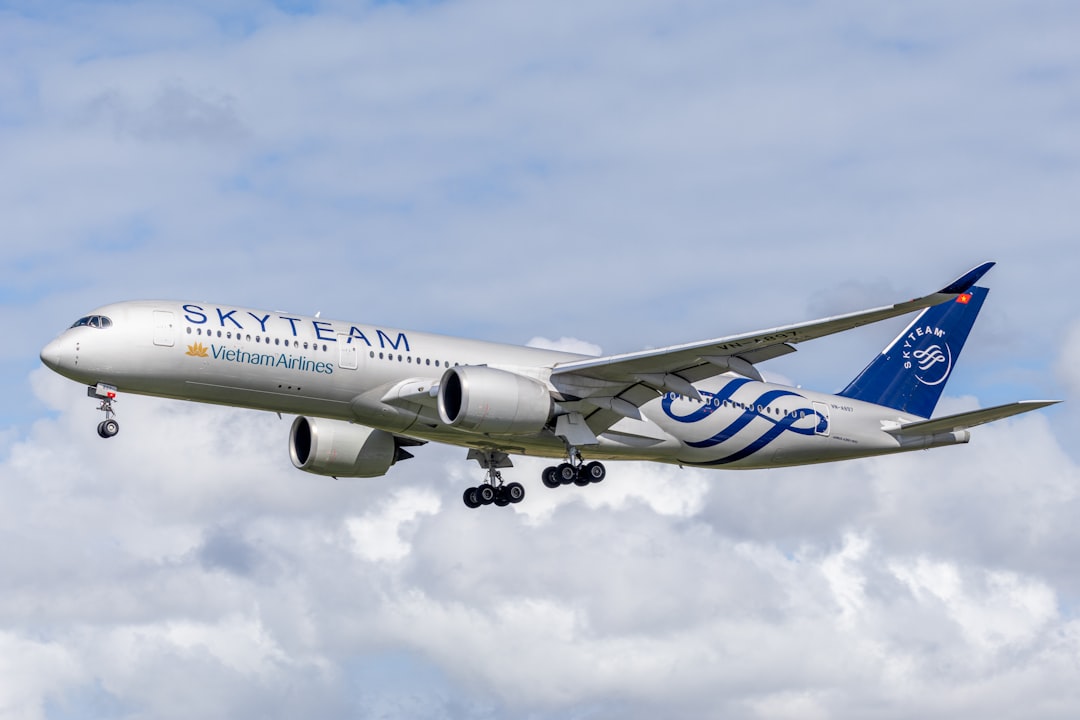
Vietnam's aviation industry faces a crisis as neighboring China and Thailand move to ban jet fuel exports starting in April, threatening to ground flights across a country where tourism accounts for 12% of GDP.
Vietnamese airlines are bracing for significant capacity reductions as the twin export bans take effect. The country imports nearly all its aviation fuel, with China and Thailand supplying the bulk of the 140 million passengers who passed through Vietnamese airports last year.
The timing could not be worse. Vietnam's aviation sector has been recovering from pandemic-era disruptions, with international arrivals climbing back toward pre-2020 levels. Tourism, which generated $28 billion in 2025, employs millions across coastal cities like Da Nang and Nha Trang, as well as cultural hubs like Hanoi and Ho Chi Minh City.
The export bans reflect broader regional energy tensions. China is prioritizing domestic refining capacity as it seeks energy security, while Thailand faces its own refinery constraints and rising domestic demand. For Vietnam, which lacks sufficient refining infrastructure to produce aviation-grade kerosene at scale, the bans expose a critical supply chain vulnerability.
Vietnamese carriers are now scrambling to secure alternative supplies from Singapore, Malaysia, and even South Korea, but those routes come at higher logistics costs and with no guarantee of sufficient volume. Industry sources suggest flight frequencies on international routes could drop by 15-20% if alternative fuel supplies cannot be secured quickly.
Ten countries, 700 million people, one region—and for Nguyen Thi Lan, who manages a beachfront hotel in , the jet fuel crisis means empty rooms during what should be peak season. 's interconnected economy, built on tourism, manufacturing exports, and regional supply chains, now faces a test of its energy resilience.