

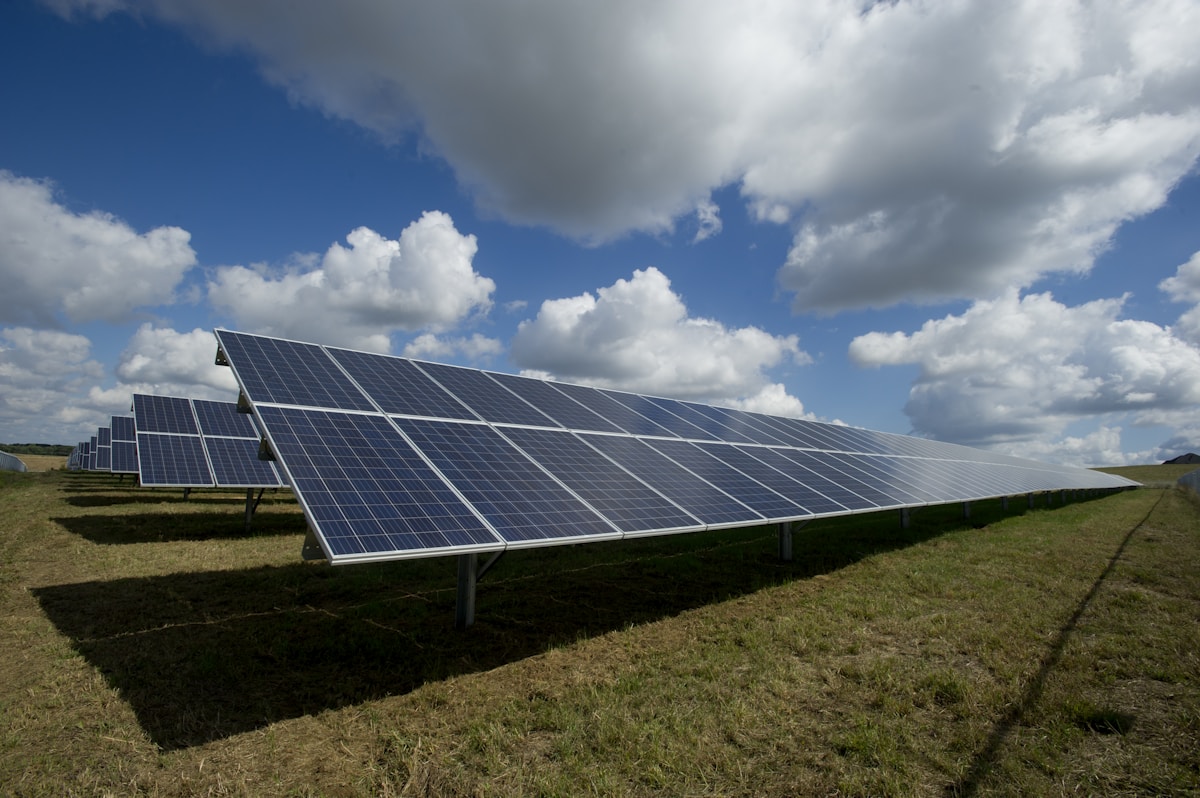
Easy-to-install solar panels that plug into standard outlets are finally becoming available in the US. Naturally, utility companies are doing everything possible to delay them.
These plug-and-play solar panels—sometimes called balcony solar—cost a few hundred dollars and can be installed by anyone with an outlet. No professional installation. No complex permitting. Just mount the panel, plug it in, and start generating electricity that feeds into your home and reduces what you buy from the grid.
In Germany, over 1.2 million units are already in operation. They pay for themselves in about seven years. They're accessible to renters who can't install rooftop systems. They democratize solar energy in a way traditional installations never could.
So why aren't they everywhere in the US? Because utilities are fighting them state by state.
Their official argument is worker safety—specifically that panels could send power back through home wiring to the grid during outages, endangering lineworkers. It's a legitimate concern that has been solved with simple safety devices required in every other country where these systems operate.
The real concern, of course, is business model disruption. Every kilowatt-hour these panels produce is a kilowatt-hour the utility doesn't sell. Utilities are "worried about losing business," as advocates correctly note, and they're using regulatory processes to slow the threat.
About 30 bills have been introduced nationwide. Utah became the first state to approve plug-in solar legislation in May 2025. Virginia is poised to become the second. But utilities have successfully delayed votes in Arizona, Georgia, New Mexico, Washington, and Wyoming.
This is a classic case of incumbent economics versus technological progress. The technology is ready. The market wants it. The safety concerns are solvable. But utilities have regulatory capture, and they're using it to protect their monopolies.
The technology is impressive. The question is whether incumbent energy companies can kill it through regulation before it gains critical mass. This is less a technology story than a political economy story.
Welcome to innovation in regulated industries. The tech works. The politics don't.


