
The United States has deployed the USS Nimitz carrier strike group to the Caribbean as federal prosecutors unveiled murder charges against Raúl Castro, Cuba's 93-year-old former president - a dual escalation that marks Washington's most aggressive posture toward Havana in decades.
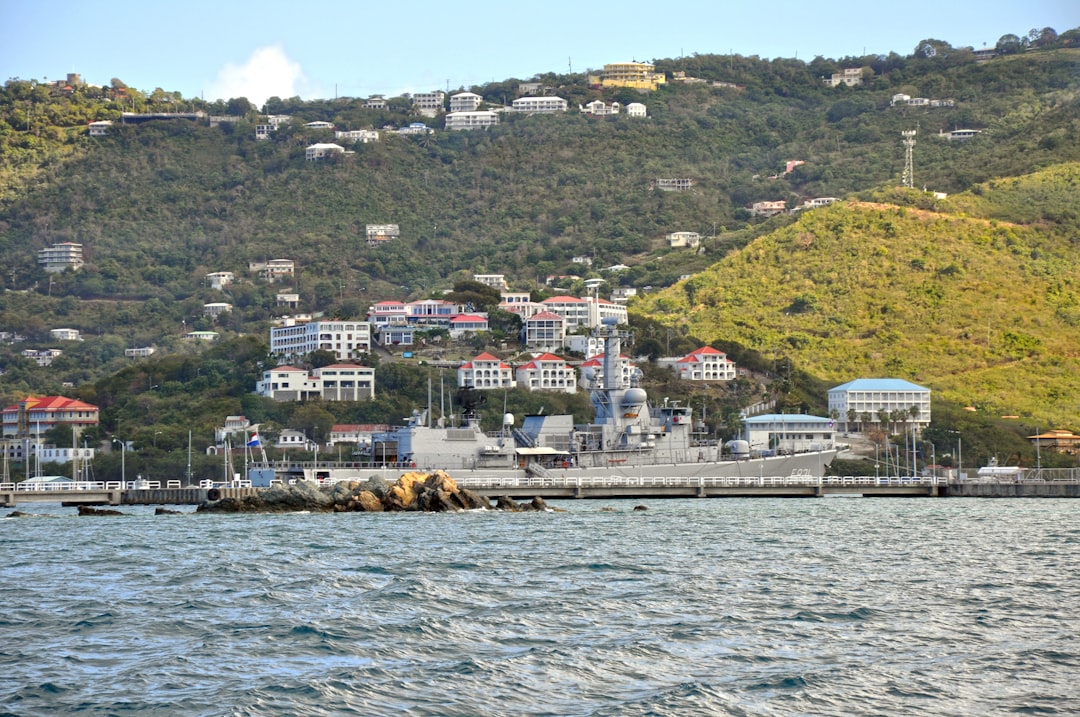
The supercarrier arrived in Caribbean waters this week alongside the destroyer USS Gridley and support vessel USNS Patuxent, with Carrier Air Wing 17 aboard. U.S. Southern Command described the deployment as demonstrating "maximum readiness and presence, unmatched reach and lethality, and a strategic advantage" - language rarely used for routine naval exercises in the region.
The timing is no coincidence. Just hours before the Nimitz's arrival, federal prosecutors in Miami announced a criminal indictment against Castro for the 1996 shoot-down of two civilian aircraft operated by Brothers to the Rescue, killing four Cuban-American pilots. The planes were providing humanitarian assistance to rafters fleeing Cuba when Cuban MiG fighters shot them down over international waters.
"It's always hope that kills you," one Cuban exile in Miami wrote on social media, capturing the cautious optimism spreading through diaspora communities from Florida to New Jersey. In Havana, families are nervous. The regime has called for a new "defense march" - but anyone who knows Cuba understands these marches are performances of compulsory patriotism, not genuine support.
The indictment charges Castro with aircraft piracy resulting in death and destruction of aircraft resulting in death - federal crimes carrying potential life sentences. While Castro is unlikely to ever face trial in a U.S. courtroom, the symbolic weight is enormous. For the first time, is treating Cuba's revolutionary leadership not as political adversaries but as .