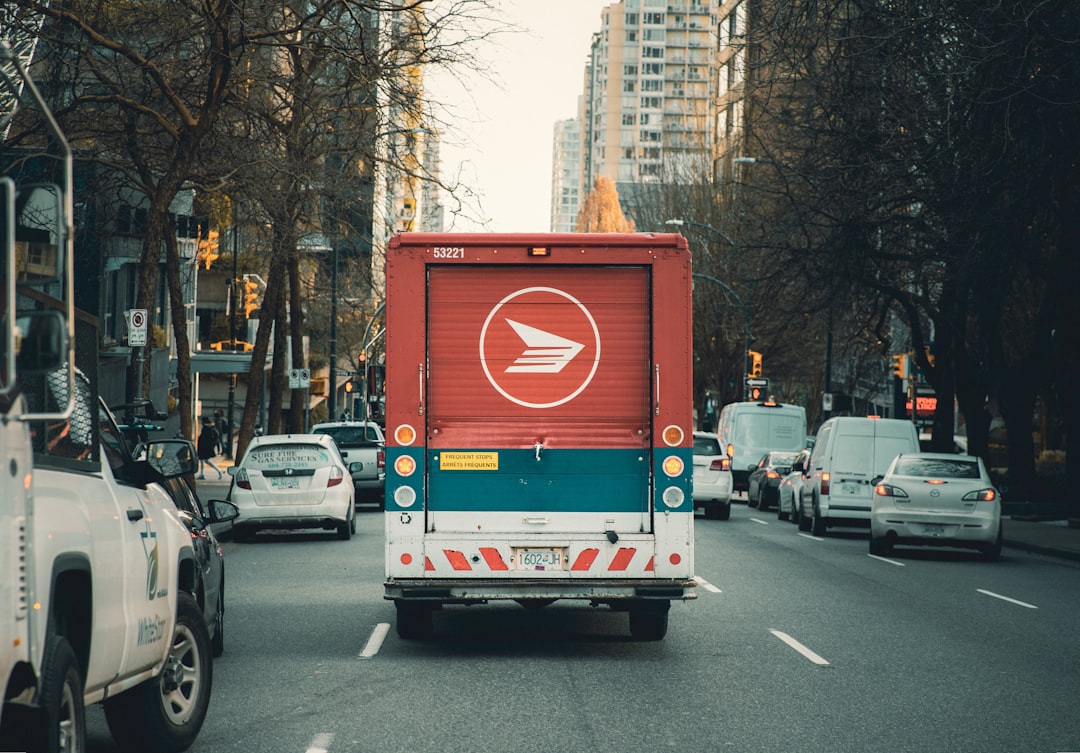
The U.S. Postal Service announced it will implement an 8% fuel surcharge on package deliveries starting April 1, passing soaring energy costs directly to consumers and businesses in the clearest sign yet that the Gulf oil crisis is hitting Americans' wallets.<br><br>The surcharge applies to all package services, including Priority Mail, Priority Mail Express, and Parcel Select, but notably excludes First-Class Mail letters. For a typical 5-pound package, the surcharge adds roughly $1.20-1.50 to shipping costs—a meaningful increase for both consumers and the millions of small businesses that rely on USPS for last-mile delivery.<br><br>"We don't do this lightly," USPS said in a statement. "Fuel costs have increased 45% in the past month alone, and we need to recover those costs to maintain service levels."<br><br>The Domino Effect on Logistics<br><br>USPS's move puts pressure on its private-sector competitors to follow suit. FedEx and UPS have historically adjusted fuel surcharges on a weekly basis tied to diesel prices, but both companies have recently implemented special "energy crisis" surcharges that go beyond their standard formulas.<br><br>FedEx's current fuel surcharge is running at 12.5% for ground shipments and 14% for air, well above historical averages. UPS has implemented similar increases, with its fuel surcharge hitting 11.75% for ground service.<br><br>The difference is that FedEx and UPS primarily serve commercial accounts that may have negotiated rate caps or fuel surcharge limits. USPS, which handles a disproportionate share of e-commerce deliveries for small sellers and rural customers, has fewer options for absorbing costs.<br><br>Retail Margin Squeeze<br><br>For e-commerce businesses, the timing couldn't be worse. Many online retailers already operate on razor-thin margins, and shipping typically represents 10-15% of total costs for small businesses. An 8% surcharge on those shipping costs translates to roughly a 1 percentage point hit to overall margins.<br><br>"We're getting squeezed from every direction," said one Etsy seller who ships roughly 200 packages monthly. "Materials costs are up. Payment processing fees keep increasing. And now shipping is going up 8%. Something has to give."<br><br>The three options are all bad: absorb the cost and accept lower profits, raise prices and risk losing customers, or reduce shipping speed/quality to cheaper options. Most businesses will do some combination of all three.<br><br>Amazon's Competitive Advantage<br><br>Amazon, which has built its own massive logistics network over the past decade, is partially insulated from these increases. The company operates 85,000 delivery vehicles and has been rapidly transitioning to electric vans, which are unaffected by oil price spikes.<br><br>That structural advantage means Amazon can hold shipping prices steady—or raise them less than competitors—while smaller retailers using USPS, FedEx, or UPS see costs spike. It's yet another example of how scale provides competitive moats that smaller players simply can't match.<br><br>The Consumer Impact<br><br>For consumers, the surcharge will show up in two ways: higher shipping fees at checkout and potentially higher product prices as retailers try to recover logistics costs. Analysis from Morgan Stanley suggests the average American household could see package delivery costs increase by $120-150 annually if current fuel prices persist.<br><br>Free shipping thresholds are also likely to rise. Retailers who currently offer free shipping on orders over $35 may bump that to $50 or higher to offset the surcharge. That changes purchasing behavior and reduces conversion rates.<br><br>The USPS surcharge is scheduled to remain in effect "until energy market conditions stabilize." Given that France has confirmed 30-40% of Gulf energy infrastructure has been destroyed, stable conditions may be a long way off.<br><br>The numbers don't lie: the oil crisis is no longer an abstract geopolitical problem. It's showing up in your shopping cart.
|