
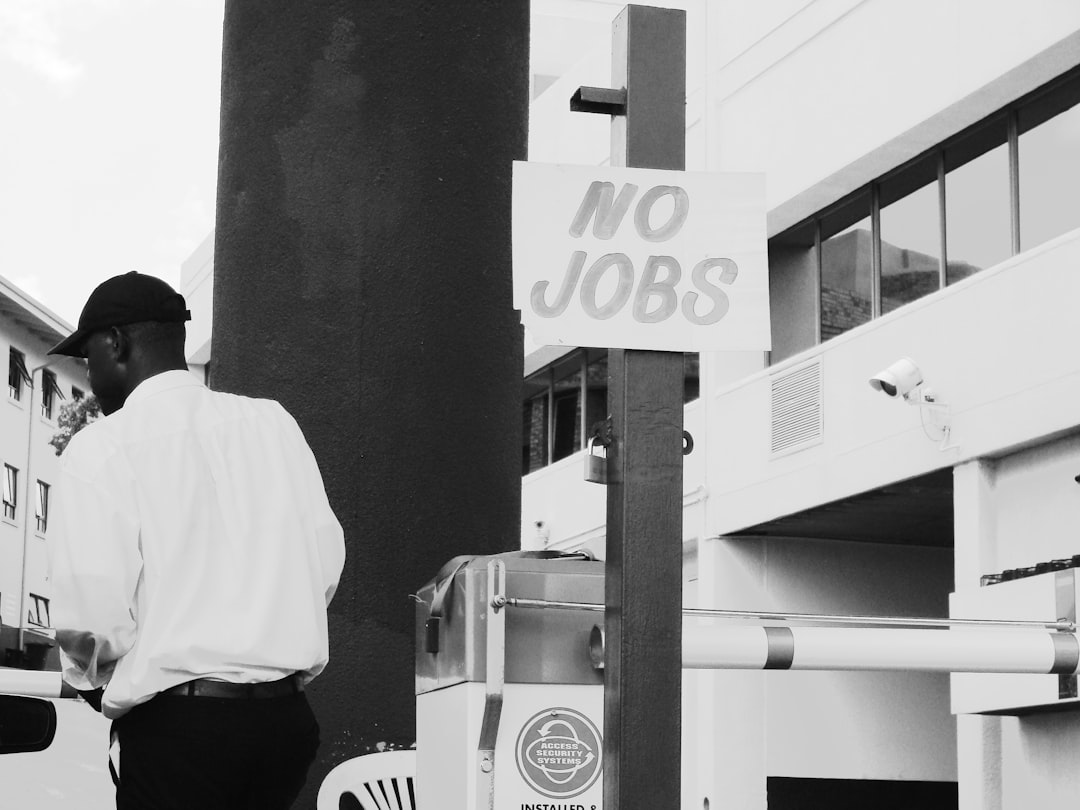
4.1 percent. That is the number the Bureau of Labor Statistics put on the wall in February 2026, and in Youngstown, Ohio — where the steel industry collapsed a generation ago and never fully came back — it lands differently than it does in a Washington briefing room. Four-point-one percent is the highest unemployment rate the United States has recorded in nearly five years, a data point that signals genuine distress in an economy the administration has spent months describing as fundamentally sound.
The February jobs report, released Friday, showed the unemployment rate climbing from 3.9 percent in the prior month, according to Sky News. The rise marks a clear reversal from the historically tight labor markets of the post-pandemic period, when employers were scrambling to fill positions and workers held unusual leverage over wages and conditions.
The headline number matters most in the places that decide presidential elections. Economists have long noted that unemployment figures in swing states — Pennsylvania, Michigan, Wisconsin, Georgia, Arizona, Nevada — track more closely to political outcomes than the national average. In the Midwest’s manufacturing corridor, where auto assembly plants and warehouse complexes anchor entire regional economies, even a fraction of a percentage point rise in unemployment can translate into tens of thousands of displaced workers.
Michigan’s auto sector, still navigating the transition to electric vehicles, has seen layoffs ripple through supplier networks that stretch from Detroit to rural counties with few alternative employers. In Pennsylvania’s Lehigh Valley, distribution centers that expanded aggressively during the pandemic are shedding temporary workers as consumer spending moderates. In Georgia’s Savannah port corridor, logistics employment — one of the fastest-growing sectors of the past decade — is contracting as global shipping volumes stabilize.
"A five-year high in unemployment is not a blip," said one labor economist who studies Rust Belt employment patterns. "It’s a signal that we are in a cyclical downturn, and the question is whether the policy tools available to address it are being deployed or constrained." The economist, who asked not to be named because of ongoing federal consulting work, pointed to the Federal Reserve’s hesitation to cut rates aggressively as a factor compressing job creation in interest-rate-sensitive sectors like construction and housing.
The political timing is punishing. The White House has staked considerable messaging capital on its domestic economic record, arguing that its policies have rebuilt American manufacturing competitiveness and protected working families from the worst inflationary pressures of the post-pandemic period. A near five-year high in unemployment does not fit that narrative, and Congressional Republicans have moved quickly to amplify the figure, holding floor speeches and issuing press statements before the ink on the BLS release was dry.
The administration’s response has focused on longer-term structural investments — the infrastructure law, the CHIPS Act, the Inflation Reduction Act — as foundations that take time to translate into employment gains. White House economic advisers, speaking on background, argued that the monthly figures can be volatile and that the underlying labor market remains resilient by historical standards.
That argument carries less weight at 4.1 percent than it did at 3.7. And in the ZIP codes that matter most to the next electoral map — the ones where a factory closure is a community crisis, not a quarterly earnings footnote — the number has already landed.
Economists and analysts will be watching next month’s figures closely for signs of whether this is a temporary plateau or the beginning of a more sustained rise. If the trend continues, the pressure on both the Federal Reserve and the administration to respond will intensify — and the political calendar will not wait for the data to sort itself out.