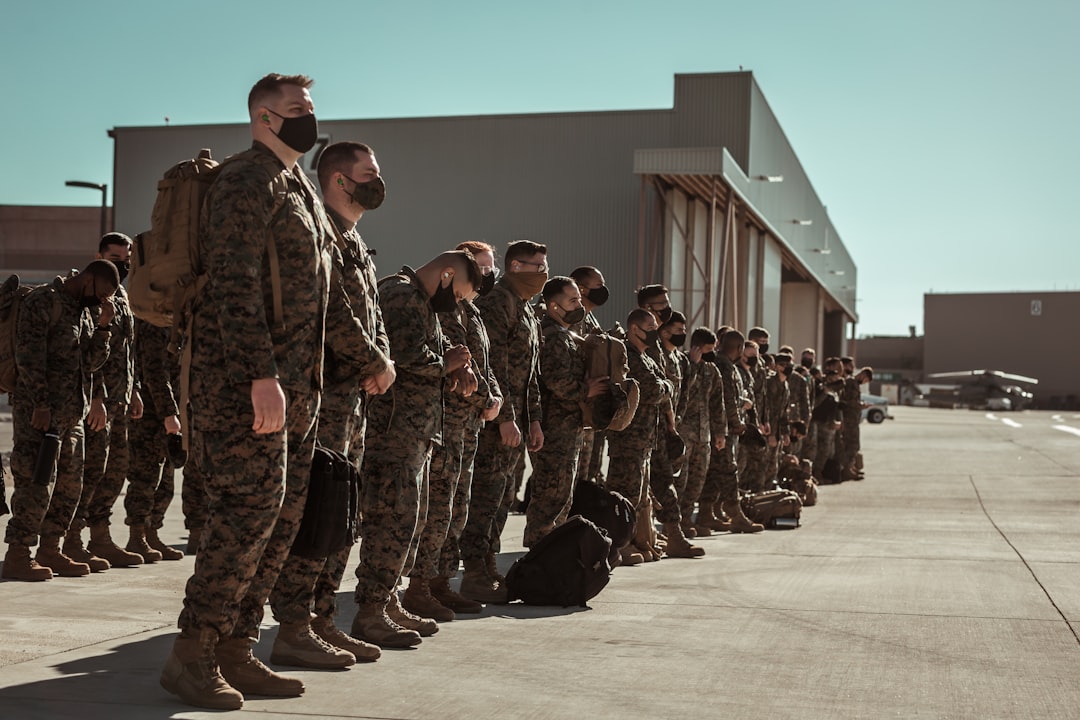
American military personnel are sheltering in civilian hotels across the Gulf region amid Iranian missile threats, reversing a familiar narrative as US media outlets that routinely condemn adversaries for mixing military and civilian infrastructure remain largely silent on Pentagon tactics.Reports indicate US troops positioned throughout Gulf Arab states have taken refuge in commercial hotels and civilian facilities rather than hardened military installations, raising questions about tactical necessity versus rhetorical consistency in how American media frames the "human shields" accusation.The Citations Needed media analysis podcast documented how major outlets including CNN, The Atlantic, Washington Post, and New York Times extensively cover claims of adversaries using civilian cover for military operations while offering minimal scrutiny when American forces employ similar tactics.In Iran, as across revolutionary states, the tension between ideological rigidity and pragmatic necessity shapes all policy—domestic and foreign. The reversal offers Iranian state media ready-made propaganda material, though Tehran's own record of embedding military assets in civilian areas complicates its moral authority on the issue.Military analysts note tactical distinctions worth examining. American forces may argue temporary shelter during active missile attacks differs from permanently embedding military command centers in civilian neighborhoods. The difference between emergency protection and systematic integration of military-civilian infrastructure merits serious analysis rather than reflexive defense or condemnation.Yet the media treatment disparity remains striking. When adversaries position military assets near civilian populations, coverage emphasizes cynical endangerment of innocents. When American forces utilize civilian infrastructure, discussion tends toward operational necessity and adversary aggression that necessitates such measures.The pattern reflects broader challenges in conflict reporting—difficulty maintaining consistent analytical frameworks across different actors, tendency to accept official explanations from allied governments while scrutinizing adversary claims, and structural biases that favor sources aligned with national security establishments.Pentagon representatives have not issued comprehensive statements addressing the civilian shelter approach, though informal comments suggest force protection priorities during heightened threat periods. The relative silence contrasts with extensive official commentary when adversaries face similar allegations.International humanitarian law establishes clear principles: military forces bear responsibility to minimize civilian harm, including avoiding positions that place civilians at unnecessary risk. The law applies universally, not selectively based on political alignment. Media coverage ideally reflects this universality rather than partisan application.Regional observers note the tactical predicament facing US forces. military installations represent known, targetable positions; dispersal into civilian areas complicates targeting but raises ethical questions. Iranian missile accuracy improvements force American tactical adaptation, creating dilemmas without clean solutions.The incident underscores information warfare dimensions of modern conflict. Inconsistent application of terminology like undermines credibility of humanitarian concerns, reducing serious legal concepts to propaganda terms deployed selectively. This erosion harms international law enforcement and civilian protection across all conflicts.As regional tensions continue, the episode serves as reminder that critical media literacy requires examining not just what outlets report, but what they minimize or ignore—particularly when the pattern reveals systematic biases in how similar behaviors receive vastly different analytical treatment based on who conducts them.
|