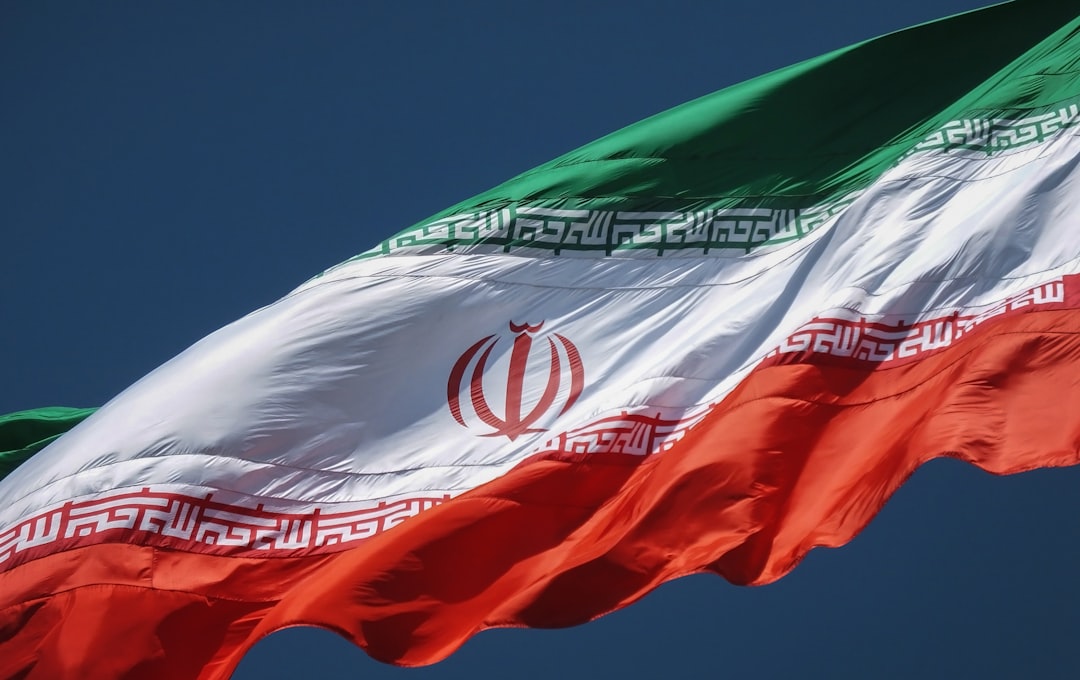
US Central Command announced early Monday that American forces conducted strikes against Iranian Revolutionary Guard Corps (IRGC) naval vessels and missile launch sites near Bandar Abbas, marking a significant escalation in the Persian Gulf even as diplomatic negotiations between Washington and Tehran continue.
The strikes, which US military officials characterized as "defensive" actions, targeted IRGC fast-attack boats stationed near the Strait of Hormuz and coastal missile installations that US intelligence assessed posed an imminent threat to commercial shipping and American military assets in the region. According to CENTCOM's statement, the operation was executed "in response to aggressive actions" by Iranian forces that violated the terms of ongoing negotiations.
The timing of the military action has raised questions among regional observers and diplomats. Just hours before the strikes, US Secretary of State Marco Rubio told reporters that an agreement with Iran on reopening the Strait of Hormuz to unrestricted commercial traffic "could possibly be reached on Monday." Iranian Foreign Ministry spokesman Esmail Baqai had earlier confirmed that "progress has been reached" in talks, though he cautioned against expectations of an imminent deal.
This contradiction between military escalation and diplomatic optimism reflects the delicate and often contradictory nature of US-Iran relations. To understand today's headlines, we must look at yesterday's decisions. The current crisis stems from Iranian interdiction of tanker traffic through the Hormuz Strait beginning in April, a move Tehran characterized as enforcement of "navigational security" but which effectively blocked nearly 30% of global oil shipments.
The Biden administration's response has walked a careful line between pressure and negotiation. While Washington deployed additional carrier strike groups to the region and coordinated with European allies on economic measures, it simultaneously pursued backchannel negotiations through Oman and Qatar.
Monday's strikes appear to represent a recalibration of that approach. Military analysts suggest the operation was designed to degrade specific Iranian capabilities that could threaten shipping even after a potential agreement. Dr. Farah Atassi, director of Middle East security studies at the Atlantic Council, told Reuters that the strikes "send a clear message that any deal will need to be backed by verifiable Iranian compliance, not just promises."
The Iranian response has been notably measured, at least in its initial phase. State media acknowledged "explosions" near Bandar Abbas but provided few details about damage or casualties. This restraint may reflect Tehran's own calculation that escalation would jeopardize negotiations at a moment when Iran's economy continues to strain under the weight of US sanctions and domestic unrest.
For international shipping companies, the strikes introduce new uncertainty. Oil prices briefly spiked above $100 per barrel on Asian markets before settling back as traders assessed that the action did not fundamentally alter the trajectory toward a diplomatic resolution. Lars Jensen, chief executive of Vespucci Maritime and former director at Maersk, told the BBC that even with a deal, the industry would remain "cautious and hesitant" to make major operational changes, with supply chain normalization potentially taking months.
The operation also carries implications for broader regional dynamics. Israel's opposition leader Yair Lapid criticized what he termed the "contradictory" US approach, arguing that any agreement that leaves Iranian nuclear capabilities intact "is bad for the region." Meanwhile, Gulf Arab states, which have their own fraught relationships with Tehran, are watching to see whether Washington can secure meaningful concessions or whether the current crisis merely delays an inevitable reckoning over Iran's regional ambitions.
As dawn broke across the Persian Gulf on Monday, the waters remained tense. Iranian patrol boats maintained their stations, US destroyers held position outside the strait, and tankers continued their careful navigation through one of the world's most vital—and volatile—chokepoints. Whether the strikes represent the last military action before a diplomatic breakthrough, or the opening move in a more serious confrontation, remains an open question that will shape not just Middle Eastern stability but global economic security in the months ahead.