
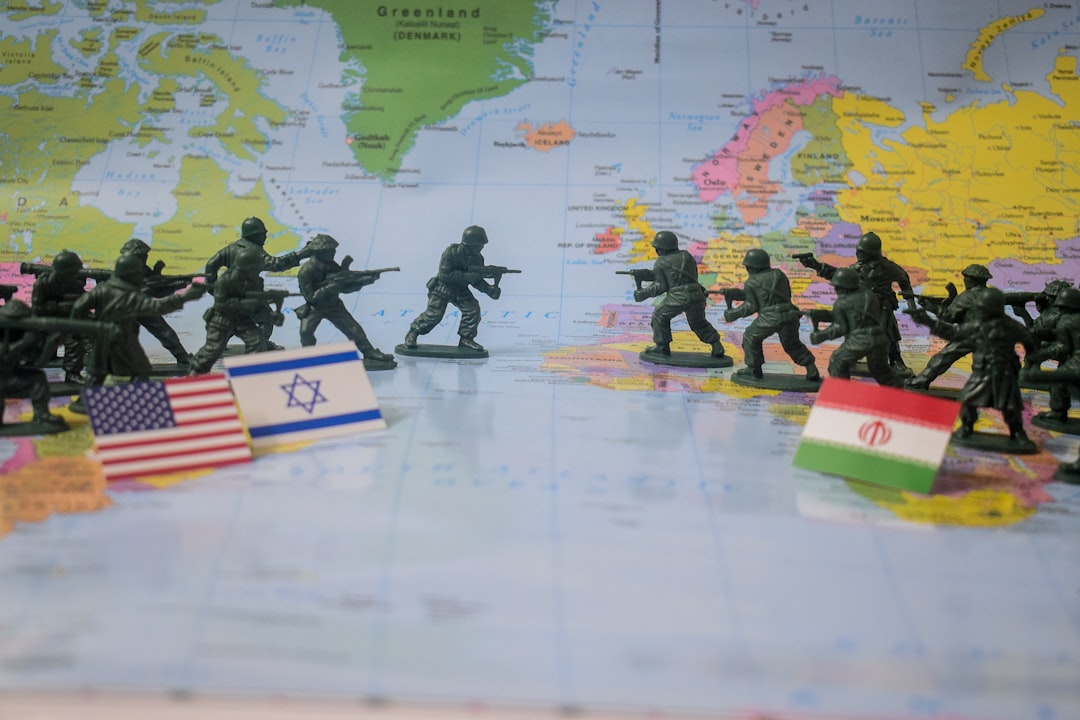
A billion people aren't a statistic - they're a billion stories. For New Delhi, the American attack on the Iranian vessel IRIS Dena has turned diplomatic chess into a high-stakes gamble that could affect everything from oil prices at Mumbai pumps to jobs in Kerala's Gulf diaspora.
The United States struck the Iranian military ship in a dramatic escalation of tensions in the Persian Gulf, undermining what Indian officials privately describe as years of careful diplomatic work balancing relations between Washington and Tehran.
For India, a nation of 1.4 billion people that imports 85% of its crude oil, the stakes couldn't be higher. Iran supplies roughly 10% of India's oil imports - a lifeline that keeps prices manageable for hundreds of millions of families already stretched thin by inflation.
"This isn't just about foreign policy," said a senior official at the Ministry of External Affairs who spoke on condition of anonymity. "Every time tensions spike in the Gulf, we see it at the petrol pump. That hits our farmers, our truckers, our entire economy."
The attack comes at a particularly delicate moment. India has spent decades cultivating strategic relationships with both Washington - its critical partner in countering China - and Tehran, which provides not just oil but also access to Afghanistan through the Chabahar Port.
According to The Guardian, Indian security analysts described the American action as "a bit of treachery" that undermines longstanding Indian security ties with Iran.