
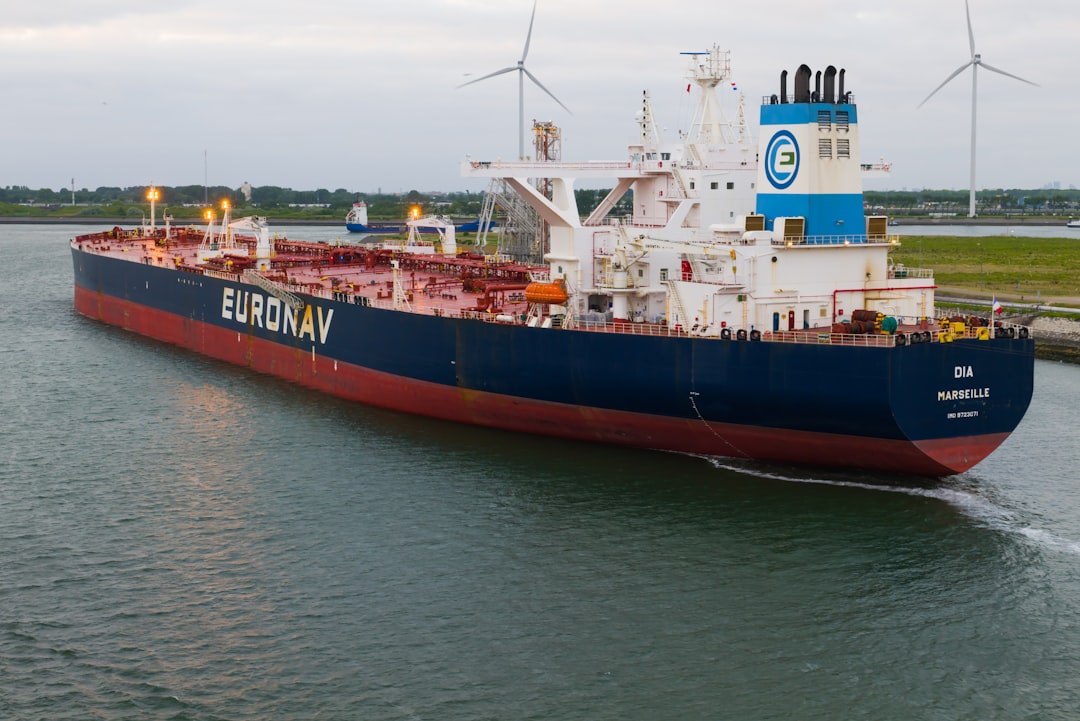
The United States has imposed new sanctions targeting Iranian oil shipments to China, the latest attempt to disrupt energy trade that Beijing views as essential to its economic security and Tehran depends on for survival.
The Treasury Department sanctions, announced by Reuters, target shipping companies and vessels involved in transporting Iranian crude to Chinese refiners. The measures aim to enforce US restrictions on Iranian oil exports by threatening secondary sanctions on entities that facilitate the trade.
The sanctions face familiar limitations. China's energy security needs override concerns about American penalties, particularly when Chinese companies can structure transactions to minimize direct exposure to US financial systems. Independent refiners in Shandong province—the so-called "teapots"—have proven particularly adept at sourcing sanctioned Iranian crude through complex supply chains.
Iran-China energy ties have deepened substantially since US withdrawal from the nuclear agreement in 2018. China has become Iran's largest oil customer, absorbing crude that would otherwise struggle to find buyers on international markets. The relationship provides Iran crucial revenue while offering China discounted oil supplies that help control domestic energy costs.
Beijing frames the trade as legitimate commerce between sovereign nations, rejecting unilateral US sanctions that lack United Nations Security Council authorization. Chinese officials argue that normal economic cooperation with Iran serves global energy market stability and should not be subject to American extraterritorial enforcement.
The structural factors driving Iran-China energy trade remain unchanged. China's crude oil imports exceed 11 million barrels daily, requiring diversified supply sources beyond traditional Gulf producers and Russia. Iranian crude, typically sold at discounts of $5-10 per barrel below market rates, appeals to cost-conscious Chinese refiners.
For Iran, Chinese demand provides essential foreign exchange despite sanctions. While exact volumes remain opaque due to the covert nature of sanctioned trade, industry analysts estimate China imports 800,000 to 1.5 million barrels daily of Iranian crude, representing the majority of Iran's oil exports.
The sanctions announcement comes amid broader US-China tensions and weeks before Trump's Beijing summit, though it's unclear whether energy trade will feature prominently in discussions. Previous American administrations have similarly attempted to pressure China on Iranian oil purchases with limited success.
In China, as across Asia, long-term strategic thinking guides policy—what appears reactive is often planned. Beijing's approach to sanctioned Iranian energy involves calculated risk assessment: the benefits of discounted oil and strategic partnership with Iran outweigh the costs of limited American penalties on entities that already operate outside US jurisdiction.
Chinese state-owned refiners typically avoid Iranian crude to protect their international operations and access to US financial systems. Independent refiners with minimal foreign exposure face fewer constraints, creating a two-tier market where sanctioned Iranian oil flows through channels designed specifically to circumvent American enforcement.
The sanctions targeting shipping reveal the practical limitations of US enforcement. New vessels and shell companies can be established faster than Treasury can designate them, creating a perpetual cat-and-mouse dynamic. Maritime tracking systems can be disabled, ship identities can be obscured, and oil can be transferred between vessels at sea to complicate supply chain visibility.
For policymakers in Washington, the Iran-China energy relationship presents a fundamental dilemma: sanctions severe enough to truly disrupt the trade would require targeting major Chinese financial institutions or refiners, risking broader US-China economic rupture. Measures calibrated to avoid such escalation inevitably prove insufficient to halt determined buyers and sellers.
The latest sanctions will likely achieve modest effects at the margins—raising insurance costs, complicating logistics, forcing additional layers of intermediaries. But the underlying economic logic driving Iran-China energy cooperation remains intact, and both countries have demonstrated willingness to absorb American pressure to maintain the relationship.