
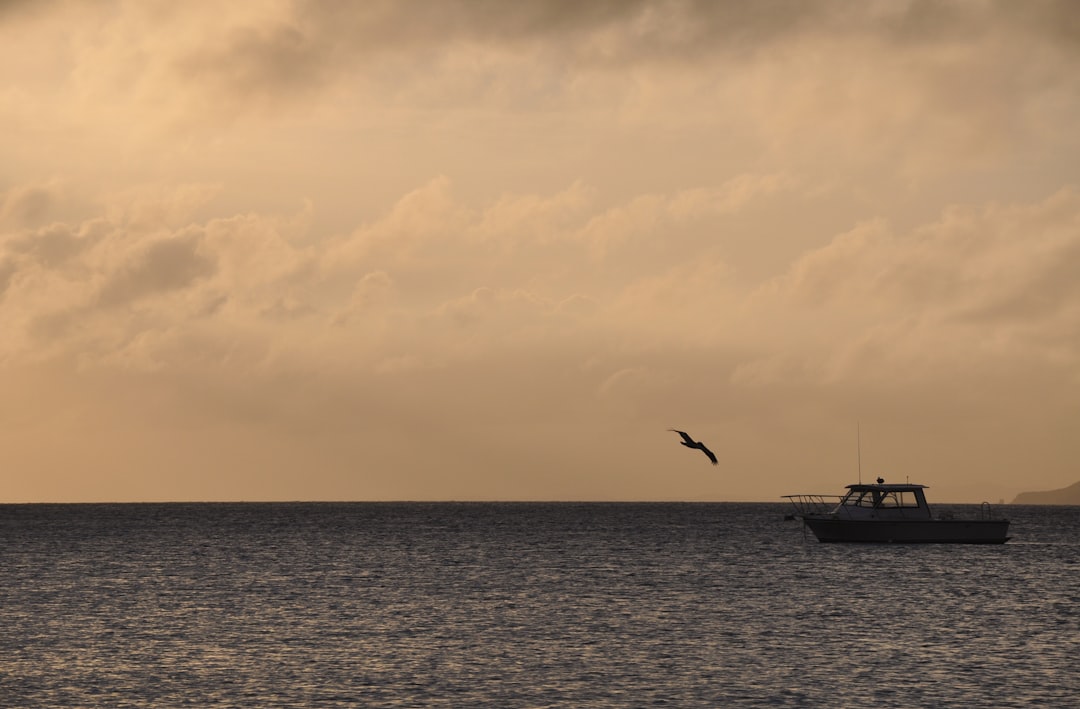
The United States military killed 11 people in strikes on boats it described as drug smuggling vessels in the Caribbean Sea and eastern Pacific Ocean, the Pentagon confirmed Monday — the latest in a series of lethal counter-narcotics operations that have claimed at least 145 lives since the Trump administration launched the campaign last September. The strikes raise a question Washington has yet to answer squarely: what legal authority permits the United States military to kill suspected smugglers outside declared combat zones, before they have been charged, tried, or convicted of any crime?
The operations are conducted by Joint Task Force Southern Spear, operating under US Southern Command. According to the Department of Defense, the targeted vessels were operated by organizations the administration has designated as terrorist groups engaged in narco-trafficking. The Pentagon did not release specific evidence supporting the designation in the most recent strikes, a pattern that has drawn sustained criticism from international law experts and members of both parties in Congress.
The legal foundation for the operations is contested at its core. In October, President Trump informed Congress that the United States is in an "armed conflict" with drug cartels — a declaration that, if accepted, would potentially provide a basis for applying the laws of war to cartel members. But that framing has not been tested in federal court, and legal scholars are skeptical it would survive judicial scrutiny. "There is no congressional authorization for military force against drug traffickers," said one national security law professor who studies the use of force, speaking by telephone. "The president’s letter to Congress does not substitute for an Authorization for Use of Military Force. This is legally unprecedented territory."
The international dimension is equally unresolved. The Caribbean Sea and eastern Pacific operations touch the territorial waters, exclusive economic zones, and — in the case of aerial strikes — the airspace of multiple sovereign nations. The administration has not publicly disclosed which countries’ waters or airspace were involved in specific operations, nor has it confirmed whether affected governments were consulted in advance. That silence has generated significant unease across Latin America, where governments from Colombia to Venezuela to Honduras have longstanding sensitivities about US military operations in their waters.
The targeting rationale has also drawn scrutiny. The Trump administration has cited fentanyl trafficking as the primary justification for the operations. But as Common Dreams and other outlets have reported, international and domestic drug enforcement agencies have not identified Venezuela — the country the administration most frequently associates with the targeted networks — as a primary source of US-bound fentanyl. The majority of fentanyl entering the United States arrives through legal ports of entry, according to Drug Enforcement Administration data.
Amnesty International called the strikes "murder" in a statement released Monday, urging Congress to "rein in this administration’s lawless actions." The human rights organization noted that the cumulative death toll — at least 145 since September, with February on pace to be the third-deadliest month of the campaign — represents a sustained lethal military operation against individuals who have not been afforded any judicial process.
The administration’s defenders argue that the scale of the fentanyl crisis — which has killed more than 70,000 Americans annually in recent years — constitutes a national security threat of sufficient magnitude to justify extraordinary measures. The counter-narcotics operations, they contend, are disrupting trafficking networks at sea before drugs reach American streets, and the designated terrorist status of the targeted organizations provides adequate legal cover.
On Capitol Hill, the response has been muted but not absent. Several Republican senators from border states have quietly asked the administration for more detailed briefings on the legal authority underpinning the operations. Democratic members of the Armed Services and Foreign Relations committees have been more vocal, with some demanding classified briefings and at least one senator indicating she plans to introduce legislation requiring congressional notification before lethal counter-narcotics strikes are conducted outside declared combat zones.
As Americans like to say, "all politics is local" — even in the nation’s capital. And in the communities along the Rio Grande, in the port cities of the Gulf Coast, and in the congressional districts where fentanyl deaths have torn through families across the economic spectrum, the politics of what the military is doing hundreds of miles offshore in the Caribbean are anything but abstract. The question is whether the legal architecture supporting those operations can bear the weight being placed on it.