
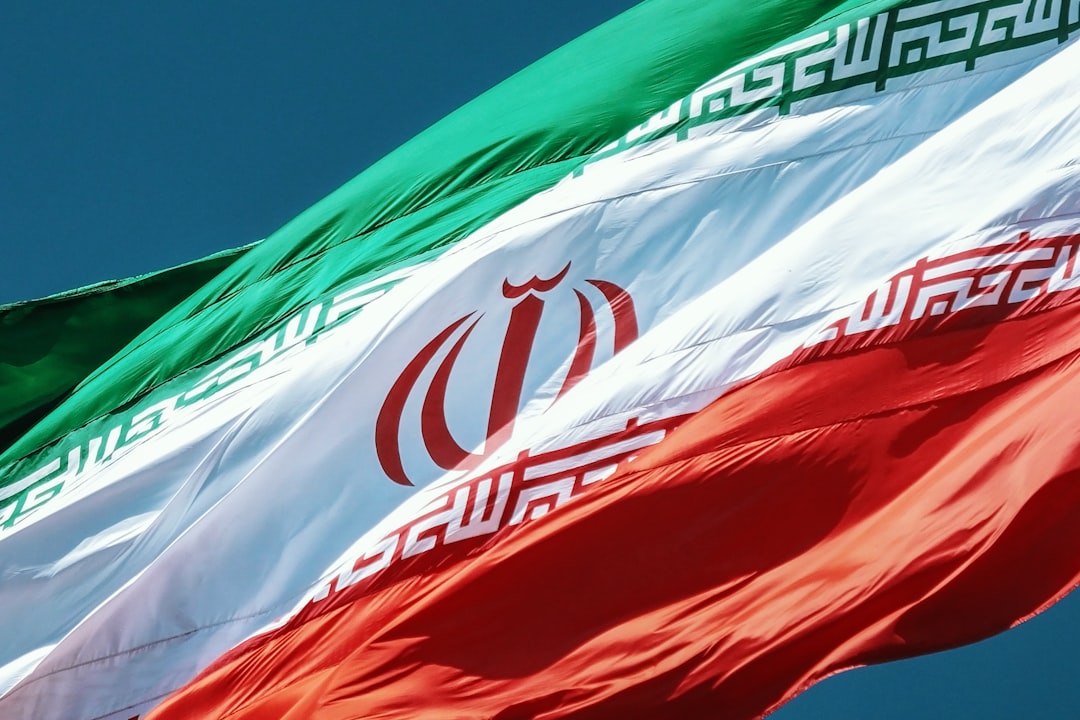
President Trump announced early Friday that the United States military has begun major combat operations inside Iran, launching strikes in coordination with Israel against targets across the Islamic Republic—all without seeking authorization from Congress.
According to administration officials, the strikes targeted military command centers, weapons facilities, and leadership sites in what the White House characterized as retaliation for Iranian support of proxy forces in the region. Within hours, Tehran responded with missile attacks on multiple US military installations across the Gulf, including the headquarters of the Navy's 5th Fleet in Bahrain, along with American bases in Qatar, Kuwait, and the United Arab Emirates.
The escalation marks a dramatic shift in US military posture in the Middle East, bringing American forces into direct combat with Iranian forces for the first time in decades. According to Bahrain's Ministry of Defense, missile strikes on the 5th Fleet headquarters caused damage to facilities, though US Central Command has not yet confirmed casualties. Additional Iranian strikes targeted Al Udeid Air Base in Qatar and other installations housing thousands of American service members.
The president warned Friday morning that "some Americans may die" as a result of the operations, a sobering acknowledgment that has heightened concerns among military families across the country. As Americans like to say, "all politics is local"—even in the nation's capital—and for families with loved ones stationed at these targeted bases, the abstract debates in Washington have become terrifyingly concrete.
Constitutionally, the War Powers Resolution requires the president to notify Congress within 48 hours of committing armed forces to military action and forbids armed forces from remaining for more than 60 days without congressional authorization. The administration has invoked Article II powers and existing authorizations for the use of military force, but legal scholars from across the political spectrum have questioned whether those authorities extend to offensive strikes inside Iran itself.
Defense Secretary Pete Hegseth defended the strikes as "defensive in nature," arguing they were designed to degrade Iranian capabilities to threaten American forces and allies. But lawmakers from both parties have raised alarm that the administration launched what amounts to an act of war without consulting the people's representatives. The last time Congress formally declared war was in 1942, during World War II, though presidents of both parties have stretched executive authority in military conflicts from Korea to Afghanistan.
The immediate question for Americans is what comes next. Iranian officials vowed "crushing retaliation" for what they characterized as an unprovoked attack on their sovereign territory. Regional experts warn that the strikes could trigger a wider conflict drawing in Iranian proxies across Iraq, Syria, Yemen, and Lebanon, potentially endangering the estimated 30,000 US troops currently deployed across the Middle East.