
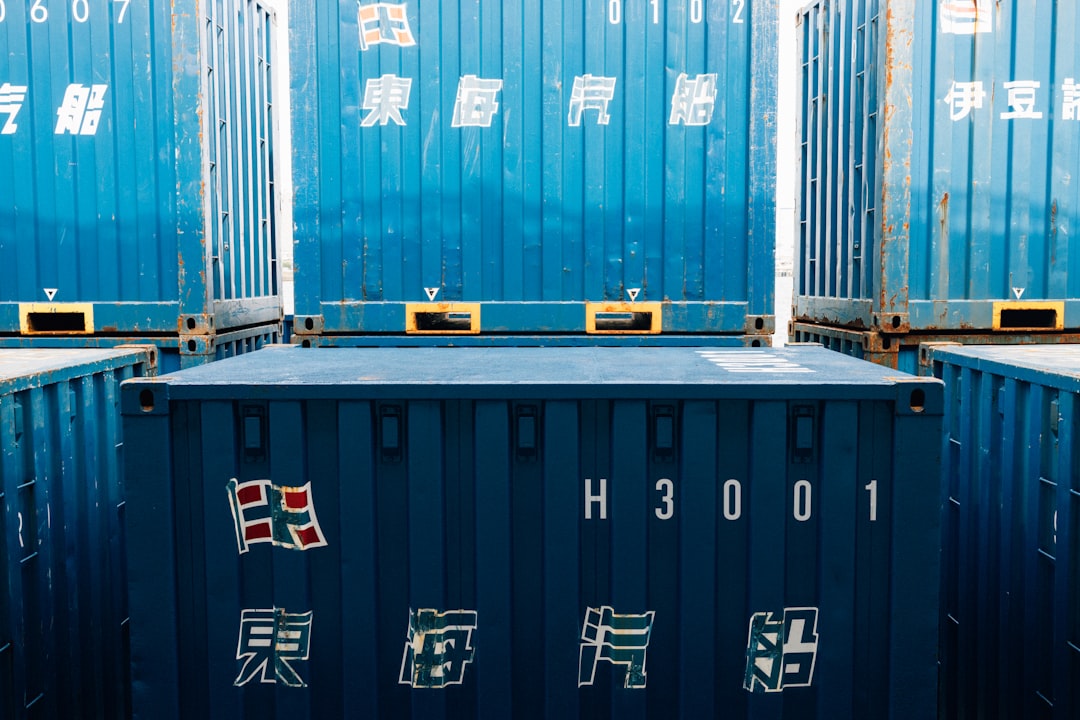
US import prices surged in February by the largest amount in nearly four years, raising fresh concerns that inflation could be staging a comeback just as the Federal Reserve considers whether to cut interest rates.
Import prices jumped 1.2% in February, the sharpest monthly increase since March 2022, when supply chain chaos and the war in Ukraine sent global commodity prices soaring. The rise far exceeded economists' forecasts of 0.4%.
The driver? Energy. Petroleum import prices spiked 4.8% in February as the conflict with Iran pushed crude oil costs higher. But strip out energy and the picture remains concerning—core import prices still rose 0.3%, suggesting inflationary pressures are broadening beyond just oil.
This puts the Fed in a bind. Jerome Powell and his colleagues have been signaling potential rate cuts later this year, betting that inflation is under control and the economy needs support. These import price numbers challenge that narrative.
Here's the problem: import prices flow through to consumers with a lag of 3-6 months. What businesses are paying more for today shows up in retail prices this summer. That means even if geopolitical tensions ease and oil prices stabilize, American consumers are going to feel this in their wallets through mid-year.
Which sectors get hit first? Transportation and manufacturing. Airlines are already raising ticket prices to offset higher jet fuel costs. Trucking companies are implementing fuel surcharges. Manufacturers that rely on imported components face a choice: absorb the higher costs and squeeze margins, or pass them through to customers and risk losing volume.
Consumer goods are next. Retailers have been relatively successful at holding prices steady, but that becomes impossible when their own input costs jump this much. Expect to see price increases in electronics, apparel, and household goods over the next few months.
The Fed's credibility is on the line. After declaring victory over inflation too early in , Powell can't afford another false start. If import prices keep rising and feed into broader inflation, the Fed will have to delay rate cuts—or worse, consider hiking again.