

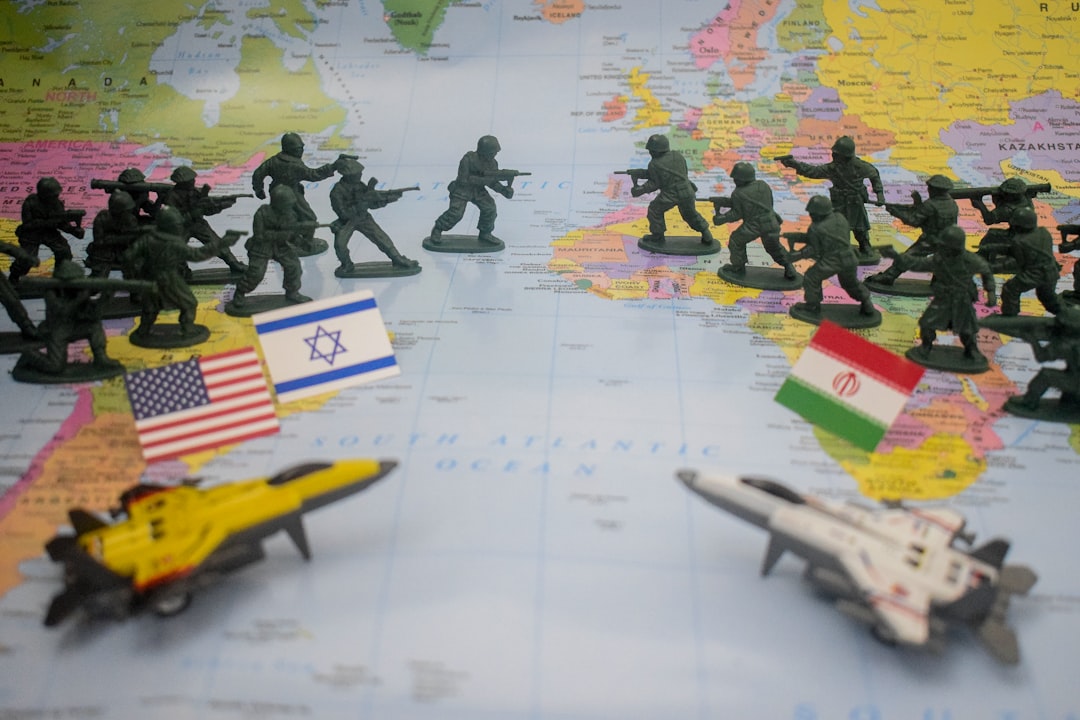
A US-brokered ceasefire agreement between Israel and Iran has brought a temporary halt to escalating regional hostilities, triggering intense debate within Israel over strategic autonomy and national security calculations.
The agreement, confirmed by multiple Israeli sources, follows weeks of intensifying strikes and counter-strikes between Israel and Iran. President Donald Trump's administration played a central mediating role, marking a significant diplomatic intervention in Middle Eastern security dynamics.
In Israel, as across contested regions, security concerns and aspirations for normalcy exist in constant tension. The ceasefire has exposed deep fractures in Israeli politics—not along traditional left-right lines, but between those who view American diplomatic engagement as strategic constraint and those who see it as prudent de-escalation.
Security establishment officials have largely welcomed the pause, citing the need to consolidate gains from recent operations and assess Iran's reconstituted command structure. Military analysts note that Israel's strikes successfully degraded Iranian nuclear and missile infrastructure, creating a window for diplomatic consolidation.
However, right-wing coalition members have voiced sharp criticism of the agreement. National Security Minister Itamar Ben-Gvir characterized the ceasefire as "American pressure undermining Israeli sovereignty," arguing that Israel should maintain freedom of action regardless of international diplomatic preferences.
The debate centers on Israel's strategic autonomy under Trump—a president who has positioned himself as strongly pro-Israel but who also demonstrated willingness to broker regional deals that may not align perfectly with Israeli government preferences.
"This is about whether Israel accepts constraints on its operational freedom in exchange for American diplomatic cover," said one Tel Aviv-based security analyst who requested anonymity. "Different parts of the Israeli political spectrum answer that question very differently."
The agreement does not address ongoing Israeli operations in Lebanon, where strikes have intensified in recent days. That exclusion has prompted questions about whether Hezbollah and other Iranian proxies fall outside the ceasefire framework—creating potential flashpoints even as direct Israel-Iran hostilities pause.
Israel's defense establishment is reportedly using the ceasefire window to reassess intelligence on Iran's reconstituted leadership and evaluate whether the new power structure in Tehran will honor commitments made under pressure. Five figures have emerged to fill the vacuum left by Israeli strikes that eliminated senior Iranian officials, raising questions about command coherence and ceasefire durability.
The political calculus extends beyond immediate military concerns. Prime Minister Benjamin Netanyahu faces pressure from coalition partners who view concessions to American diplomatic preferences as politically damaging, while also managing relationships with security officials who see strategic value in the pause.
For ordinary Israelis, the ceasefire brings cautious relief. Weeks of heightened alert status, including restrictions on civilian aviation and intensified air defense operations, have strained public patience. But years of conflict have also bred skepticism about ceasefire durability.
"We've seen this pattern before—agreements that create breathing room but don't resolve underlying threats," said one Jerusalem resident. "The question is whether this pause leads somewhere or just resets the clock on the next round."
Regional implications remain uncertain. The Abraham Accords countries—particularly the UAE and Bahrain—have watched Israeli-Iranian escalation with concern, given their own security relationships with both Washington and Tehran's regional opponents. A sustained ceasefire could create space for further normalization; renewed conflict could test those partnerships.
As Israel navigates this diplomatic moment, the central tension remains unresolved: whether accepting American-brokered constraints represents smart statecraft or dangerous dependence on external actors whose regional interests may diverge from Israeli security imperatives.

