

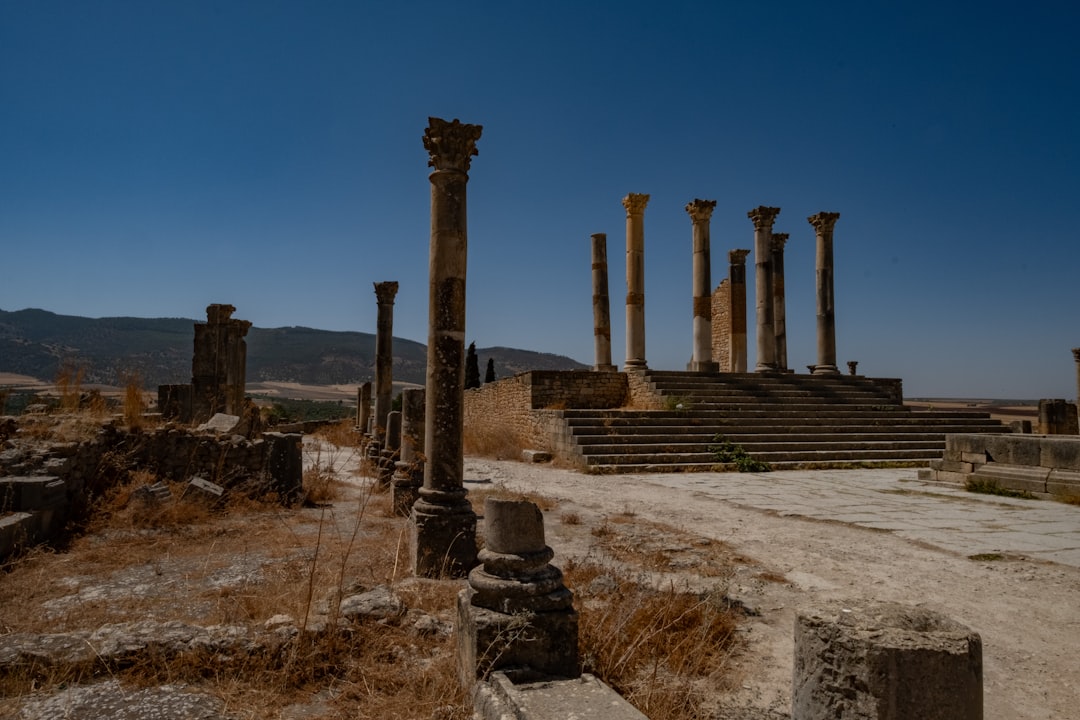
UNESCO has placed 39 Lebanese cultural properties under provisional enhanced protection following an extraordinary session convened in response to escalating hostilities in the region, marking one of the organization's most significant emergency cultural interventions in recent years.
The designation, granted under the 1954 Hague Convention for the Protection of Cultural Property in the Event of Armed Conflict and its 1999 Second Protocol, represents the highest level of legal protection available under international law.
What enhanced protection means in practice is unambiguous: These sites must not be made the object of attack or used for military purposes. Non-compliance would constitute serious violations of international humanitarian law and could form the basis for criminal prosecution under the Rome Statute of the International Criminal Court.
The Committee for the Protection of Cultural Property in the Event of Armed Conflict also allocated over $100,000 in emergency financial assistance for immediate protective measures on the ground, including secure storage of archaeological collections and reinforcement of vulnerable structures.
UNESCO's intervention was triggered by Lebanon's formal request for emergency protection as military operations threatened sites of immense historical and cultural significance. The organization has already confirmed damage to Tyre, the ancient Phoenician city inscribed on the World Heritage List in 1984, through satellite monitoring conducted in partnership with UNITAR/UNOSAT.
Lebanon's cultural heritage is layered across millennia—Phoenician ports, Roman temples, Crusader fortresses, Ottoman architecture, and early Christian monasteries coexist in a landscape that has witnessed every major civilization to pass through the eastern Mediterranean. In this region, today's headline is yesterday's history repeating.
The 1954 Hague Convention was itself born from the destruction of the Second World War, when cultural sites across Europe were systematically targeted or collaterally destroyed. Its core principle holds that damage to cultural heritage, regardless of who owns it, constitutes harm to the cultural heritage of all humanity.
Under the enhanced protection regime, parties to a conflict bear heightened obligations. They must ensure that these sites are not used for military purposes, that they are not targeted even if military objectives are nearby, and that they take all feasible precautions to avoid incidental damage.



