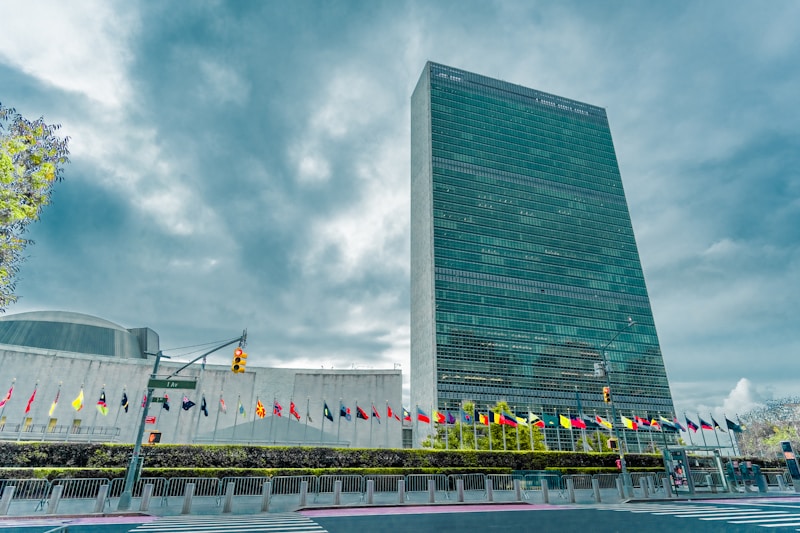
In a rare and direct rebuke, UN Secretary-General António Guterres accused the United States of operating under the belief that its power supersedes international law, warning that Washington's approach threatens the foundations of the multilateral system.
In an interview with the BBC published Sunday, Guterres said there is a "clear conviction" within the American government "that multilateral solutions are irrelevant" and that US power alone should determine international outcomes.
The comments represent some of the strongest criticism a sitting UN chief has leveled at Washington in recent memory. Guterres, a former Portuguese prime minister who has led the United Nations since 2017, has typically adopted diplomatic language when addressing great power behavior. His blunt assessment reflects mounting alarm within the international community over the direction of American foreign policy under President Donald Trump.
The Secretary-General's remarks came amid escalating tensions over Greenland, where Trump has refused to rule out military action to seize the Danish territory, and as the administration advances what critics describe as a unilateral approach to global governance through initiatives like the proposed "Board of Peace" for Gaza.
"We are witnessing a fundamental challenge to the international order," Guterres told the BBC, according to sources familiar with the interview. He emphasized that the United Nations Charter—drafted in the aftermath of World War II with substantial American leadership—established principles of sovereignty and territorial integrity precisely to prevent powerful nations from imposing their will through force.
To understand today's headlines, we must look at yesterday's decisions. The international legal framework seeks to defend was largely an American creation. 's architects of the post-1945 order—figures like and —recognized that even the world's predominant power benefited from a rules-based system that constrained all nations, including itself. The current administration's apparent rejection of that principle marks a significant departure from decades of bipartisan American foreign policy.