
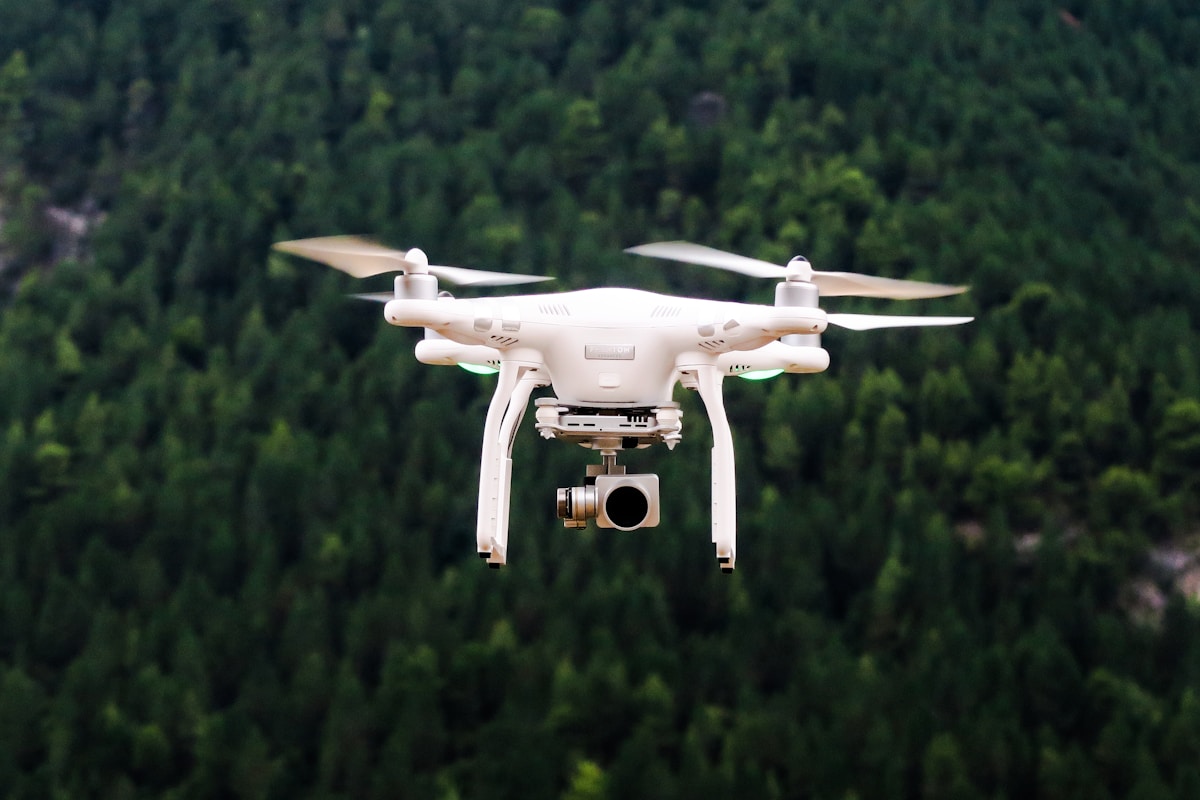
Ukrainian forces shot down approximately 1,500 Russian Shahed attack drones during February using interceptor drones, according to Ukrainian military sources—a remarkable figure highlighting both the scale of Russian aerial assault and Ukrainian innovation in cost-effective air defense.
The drone-on-drone interception tactic represents a significant evolution in Ukrainian air defense strategy, offering a far more economical alternative to using expensive surface-to-air missiles against relatively cheap Iranian-designed attack drones.
Russian forces launch Shahed drones—Iranian-designed unmanned aircraft manufactured under license as Geran in Russia—on near-nightly attacks against Ukrainian cities and infrastructure. These weapons, costing an estimated $20,000 to $50,000 each, are designed to overwhelm air defenses through sheer numbers rather than technological sophistication.
Ukrainian interceptor drones, significantly cheaper than the Shaheds they destroy and far less expensive than traditional air defense missiles, pursue and ram or shoot down incoming attack drones. The asymmetric cost calculation favors Ukraine: destroying a $30,000 Shahed with a $5,000 interceptor is far more sustainable than using $500,000 missiles.
"We've turned Russia's volume strategy against them," explained a Ukrainian air defense official. "They thought they could overwhelm us with cheap drones. We developed even cheaper solutions."
In Ukraine, as across nations defending their sovereignty, resilience is not just survival—it's determination to build a better future. The development of innovative, cost-effective defense solutions demonstrates Ukrainian capacity to adapt and innovate under pressure.
The 1,500 interceptions represent only a portion of total Shahed shootdowns—Ukrainian forces also employ traditional air defense systems, mobile anti-aircraft units, and small arms fire against the slow-moving drones. However, the interceptor drone program has become increasingly central to Ukrainian air defense architecture as stockpiles of expensive Western-supplied missiles must be preserved for higher-value targets like ballistic missiles and manned aircraft.
Military analysts note that the interceptor drone approach carries additional advantages beyond cost. Traditional surface-to-air missiles reveal the location of defense systems when fired, making them vulnerable to Russian counter-battery strikes. Interceptor drones can operate from distributed, mobile launch points far more difficult for Russian forces to target.