
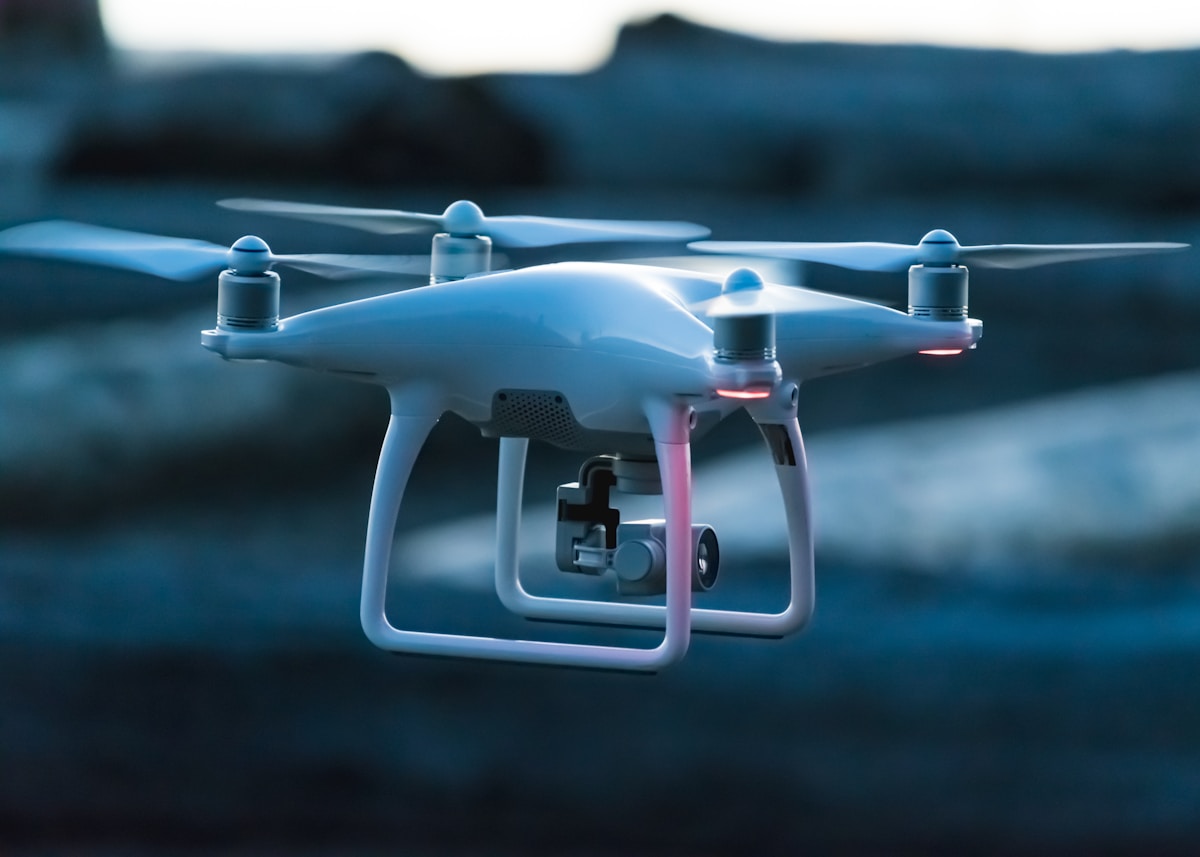
Ukrainian drone operations are systematically targeting Russian logistics infrastructure across occupied territories, with at least 64 geolocated strikes on supply routes documented since January, according to military analysts tracking the campaign.
The operations, reported by NOELREPORTS military analysis, focus on degrading Russian supply lines supporting forces in Donetsk, routes toward Mariupol and Pokrovsk, and logistics nodes in Belgorod Oblast. Many additional strikes remain unpublished or ungeolocated, suggesting the documented operations represent only a portion of the systematic campaign.
The targeting demonstrates strategic depth beyond spectacular long-range strikes on high-value assets. Ukrainian forces are conducting methodical interdiction of the mundane but essential logistics infrastructure—supply trucks, fuel convoys, ammunition depots, and transportation chokepoints—that enables Russian frontline operations.
Logistics as Strategic Target
"Modern warfare runs on logistics," noted one military analyst. "Destroying a supply convoy may not generate headlines like sinking a warship, but it has immediate operational impact on frontline units."
Russian forces in occupied territories depend on supply lines stretching hundreds of kilometers from Russian logistics hubs through contested areas to frontline positions. These extended supply chains create vulnerability that Ukrainian drone operations systematically exploit. Even partial interdiction forces Russian logistics planners to route supplies through longer, less efficient corridors or increase force protection requirements.
The focus on occupied Donetsk and routes toward Mariupol targets Russian efforts to consolidate control over captured territories and support ongoing offensive operations in eastern Ukraine. Supply disruption compounds difficulties Russian commanders already face from Ukrainian artillery, partisan activity, and long-range strike systems.
Strikes in Belgorod Oblast inside Russia proper target logistics before supplies even reach occupied territories, forcing Russian forces to disperse storage facilities and increasing transportation requirements. This systematic approach creates cascading inefficiencies throughout Russian logistics networks.
Drone Evolution
The systematic logistics campaign reflects Ukraine's evolution in drone employment from tactical reconnaissance and direct attack to operational-level interdiction operations. Ukrainian forces now deploy extensive networks of first-person-view drones, long-range strike drones, and reconnaissance systems that enable both target identification and engagement across strategic depth.
Domestic Ukrainian drone production has scaled dramatically since 2022, reducing dependence on imported systems and enabling employment at rates that would be economically prohibitive with Western-supplied precision munitions. The relatively low cost of drone systems compared to traditional artillery or missiles allows high operational tempo against dispersed logistics targets.
In Ukraine, as across nations defending their sovereignty, resilience is not just survival—it's determination to build a better future. Even while conducting systematic operational targeting, Ukrainian forces balance immediate tactical needs with longer-term strategic objectives of degrading Russian military capability while minimizing civilian harm in occupied territories many hope to eventually liberate.
Russian forces have adapted to drone threats through increased electronic warfare employment, dispersion of logistics assets, and enhanced air defense coverage of critical supply routes. However, the volume of Ukrainian drone operations and continued successful strikes suggest Russian countermeasures remain incomplete.
The logistics interdiction campaign receives less public attention than dramatic strikes on naval vessels or deep-penetration attacks on Russian industrial facilities, but military analysts emphasize its potentially greater cumulative impact on Russian operational capability. Sustained logistics pressure degrades Russian offensive potential and increases the resource cost of maintaining forces in occupied territories.