
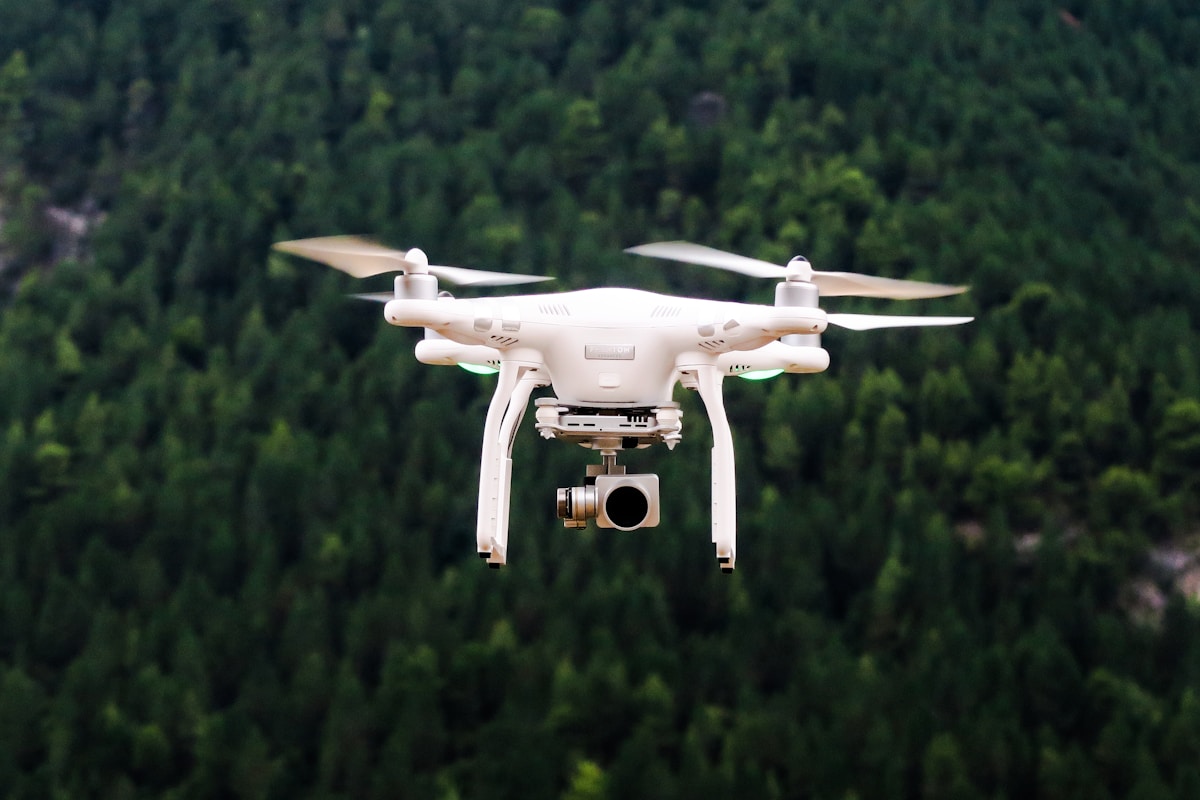
Ukrainian Security Service drones struck the Metafrax Chemicals plant in Perm Krai, Russia, marking Ukraine's deepest confirmed strike into Russian territory at 1,700 kilometers from the Ukrainian border, according to official Ukrainian sources.
The facility in Gubakha, which produces approximately 900 tons of ammonia and 1,600 tons of urea daily, has been halted following the attack, Ukrainian officials confirmed. Regional Governor Dmitry Makhonin acknowledged a strike on an "industrial enterprise" but declined to identify the facility by name.
The successful penetration of Russian air defense systems at such extreme range represents a significant technological advancement in Ukraine's long-range strike capability. The Metafrax complex produces dual-use chemicals that can serve both civilian and military purposes, including components for explosives manufacturing.
Russian Air Defense Failures Exposed
Russian Ministry of Defense claims of destroying 348 Ukrainian drones appear contradicted by extensive fire damage at multiple industrial facilities across Russia. The ability of Ukrainian drones to traverse 1,700 kilometers of Russian-controlled airspace and strike precision targets reveals critical vulnerabilities in Russian air defense architecture.
Military analysts note that Ukraine has progressively extended its strike range through domestic drone development, reducing dependence on Western-supplied weapons systems with geographic restrictions. The evolution from strikes in Crimea and border regions to targets deep in Russia's industrial heartland demonstrates both technological sophistication and strategic intent to disrupt Russian military-industrial capacity.
"Ukraine's domestic drone production has become a strategic equalizer," said one defense analyst tracking the campaign. "These aren't just harassment strikes—they're systematic targeting of Russia's war-making infrastructure."
Strategic Implications
The Perm Krai strike coincided with multiple simultaneous Ukrainian operations across Russian territory, including attacks on the Novorossiysk naval base and oil infrastructure, suggesting coordinated operational planning rather than isolated incidents. This multi-target capability complicates Russian force protection and air defense allocation.
The Metafrax facility's production of ammonia—a precursor for both fertilizer and military explosives—makes it a legitimate dual-use target under international humanitarian law governing armed conflict. Ukrainian officials have consistently emphasized that strikes target military and military-supporting infrastructure rather than civilian facilities.
In Ukraine, as across nations defending their sovereignty, resilience is not just survival—it's determination to build a better future. Even as Ukrainian forces demonstrate increasing capability to strike deep into Russian territory, civilian authorities continue reconstruction in liberated areas and advance European Union membership negotiations, balancing immediate security needs with long-term integration goals.
The operational success at extreme range may influence Western discussions about restrictions on supplied weapons systems, as Ukraine demonstrates indigenous capability to conduct deep strikes regardless of allied-imposed geographic limitations. Ukrainian officials have long argued that Russian military targets throughout Russia remain legitimate under international law governing self-defense against aggression.
Russian authorities have not disclosed casualties from the Metafrax strike, and independent verification of damage extent remains limited due to Russian information controls. However, the facility's operational halt confirms significant impact on a key industrial complex serving Russia's military-industrial base.