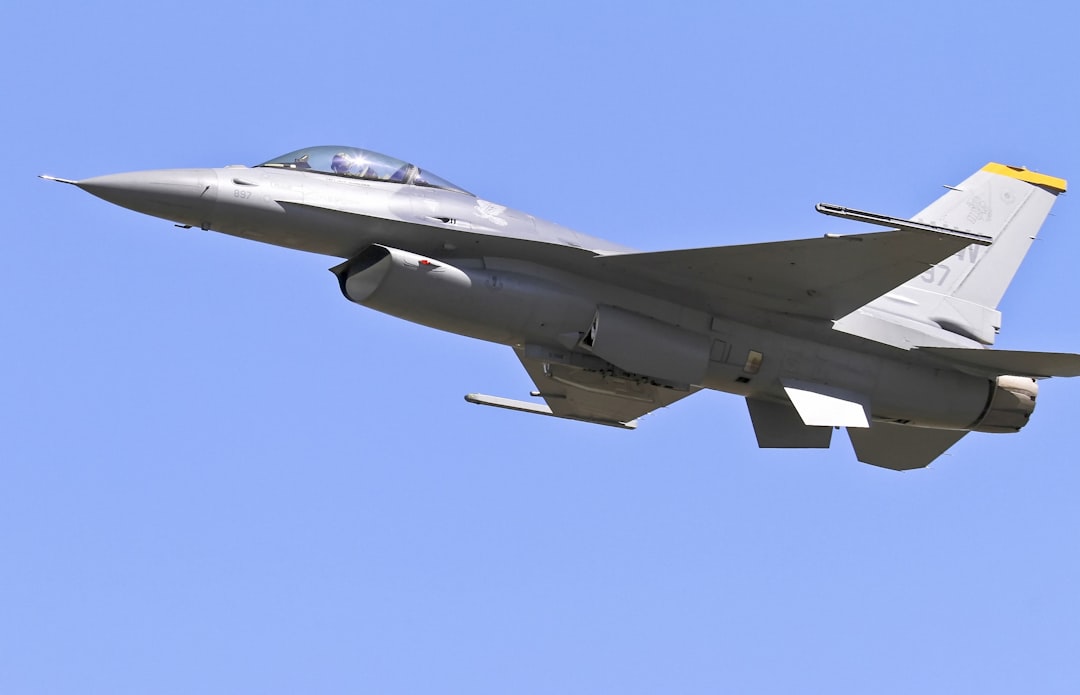
Ukraine has formally constituted its first joint F-16 fighter squadron staffed by a combination of Ukrainian, United States, and Netherlands pilots — a milestone that represents the most sophisticated multinational aviation integration the war has yet produced, and a signal that Western air power is becoming structurally embedded in Ukraine's defence architecture, according to Ukrainska Pravda.
The squadron, whose exact location and composition remain classified for operational security reasons, marks the culmination of a training programme that began in mid-2023 when Ukraine's allies first agreed in principle to provide the fourth-generation American-designed fighters. The path from that commitment to operational capability has been measured in years of political negotiation, pilot training, and infrastructure preparation — far longer than many Ukrainian officials had hoped.
To understand today's headlines, we must look at yesterday's decisions. The F-16 question became one of the defining diplomatic fault lines of the war in 2023, when Ukrainian President Volodymyr Zelensky made repeated public appeals for the fighters, arguing that without air superiority — or at least air parity — his forces would remain permanently vulnerable to Russian bombardment. The Biden administration initially resisted, citing concerns about escalation and the time required to train pilots.
The Netherlands and Denmark ultimately led the European effort to provide jets, announcing in August 2023 that they would transfer F-16s to Ukraine once pilot training was complete. The first Ukrainian pilots completed their training in the United States and Europe — primarily at bases in Romania and Denmark — and the first deliveries occurred in the summer of 2024.
The formation of a joint squadron involving American and Dutch pilots alongside Ukrainians represents an evolution from that initial deployment phase. Western military officials have described the arrangement as a training and advisory mission, with allied pilots embedded to accelerate Ukrainian proficiency in complex multi-role operations — beyond visual range engagements, electronic warfare suppression, and coordination with ground forces.
The F-16 has not yet proven to be the decisive weapon some proponents promised. Operating against sophisticated Russian air defences — including the S-400 system and its variants — the aircraft must be employed with considerable caution to avoid losses that Ukraine cannot easily replace. Ukrainian pilots have reportedly lost at least one F-16 to friendly fire and face significant constraints on their operational radius.
Nevertheless, the jets have contributed to the layered air defence picture, performing intercept missions against Russian cruise missiles and Shahed drones that were previously handled exclusively by Soviet-era aircraft increasingly difficult to maintain. Their integration with Western radar and communications systems has also enhanced Ukraine's situational awareness.
The joint squadron represents something more than a military milestone. It embeds American and Dutch personnel in Ukraine's active order of battle in a capacity that goes beyond the advisory missions previously acknowledged — a development with potential diplomatic significance as debates continue over the appropriate level of Western involvement in the conflict.
Zelensky's office welcomed the announcement, calling it a demonstration of "alliance in action." The Dutch Defence Ministry confirmed the participation of its pilots in the joint formation without elaborating on numbers or operational details. The US Defense Department has not publicly commented.