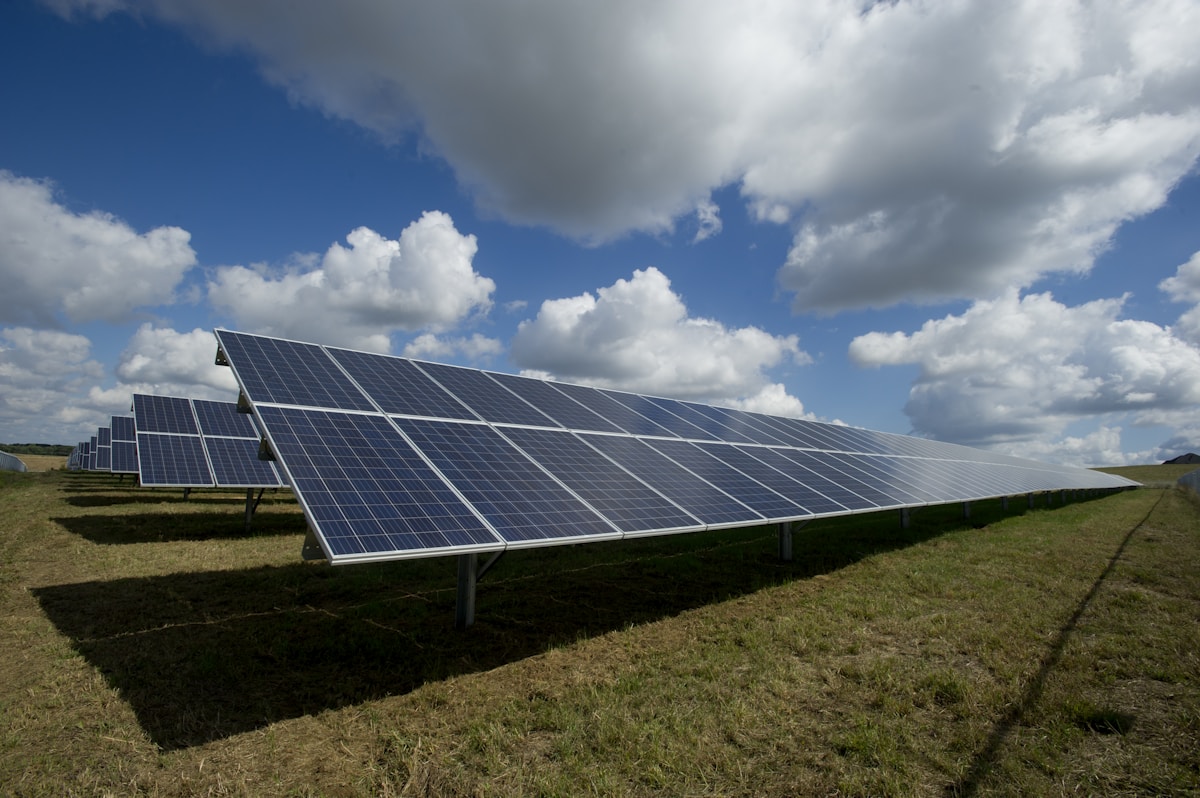
UK supermarkets are about to start selling 800-watt solar kits that plug directly into standard wall sockets. No electrician. No permits. Just buy it, set it up, and start generating power.
This is the kind of innovation that actually matters. Not some "revolutionary" vaporware that'll ship in 2028, but boring technology made accessible enough that regular people can use it.
The concept is simple: these kits include solar panels, a microinverter, and a plug that goes into your normal wall socket. The solar panels generate DC power, the microinverter converts it to AC that matches your home's grid frequency, and anything you generate offsets your consumption from the grid. When you're generating more than you're using, it feeds back into the grid (though UK regulations don't currently require utilities to pay you for that excess).
At 800 watts, we're not talking about powering your whole house. On a sunny day you might generate 3-4 kWh, which covers basics like your refrigerator, router, some lights. But the beauty is in the simplicity and accessibility. Anyone can do this. You don't need an installer quote, planning permission, or thousands of pounds upfront.
The UK government recently changed regulations to allow these plug-in systems up to 800W, harmonizing with Germany, where these kits have been popular for years. Germany has over 500,000 plug-in solar installations, proving the market exists.
From a technology perspective, there's nothing revolutionary here. Microinverters have been around for decades. Solar panels are commoditized. What's different is the regulatory framework and distribution model. When supermarkets start selling solar power like they sell microwaves, you've democratized the technology.
The economics are straightforward. A typical kit costs £500-800. At current UK electricity rates around £0.25/kWh, you're looking at payback periods of 5-7 years depending on how much sun you get and how well your usage aligns with generation. Not amazing, but not terrible either.
The more interesting question is what this means for grid infrastructure. The UK's electricity grid was designed for centralized generation—big power plants feeding consumers through a one-way system. Thousands of micro-generators feeding power back creates different load patterns and requires more sophisticated grid management.