
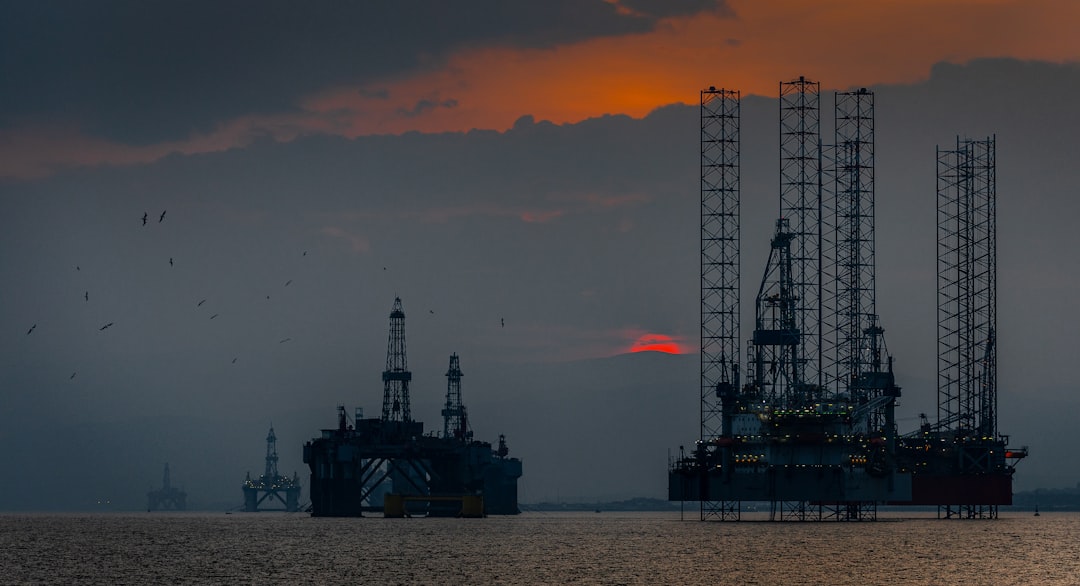
The British government will introduce legislation to permanently prohibit new oil and gas exploration licences in the North Sea, marking a significant climate policy shift that aligns Britain with European environmental standards even as it strains relations with Scotland's energy sector.
The Energy Independence Bill, announced during the King's Speech to Parliament, transforms Labour's 2024 manifesto pledge into statutory law. The government frames the measure as advancing energy security and reducing reliance on volatile fossil fuel markets, though critics argue it achieves precisely the opposite.
Claire Coutinho, the Conservative Shadow Energy Secretary, captured the opposition's view: "He is not making us more independent. He is making us reliant on foreign imports." Both the Conservatives and Reform UK have pledged to overturn the ban if elected, setting up a clear dividing line for future campaigns.
The policy represents an intriguing case of post-Brexit convergence with European climate standards, demonstrating that Britain's departure from the EU has not prevented alignment on environmental policy—even when that alignment carries substantial economic costs. As they say in Westminster, "the constitution is what happens"—precedent matters more than law. And the precedent here suggests that climate policy may prove more resistant to Brexit divergence than trade or regulatory frameworks.
Yet the political geography of this decision is treacherous. The ban directly affects one of Scotland's most dynamic industries, raising tensions between Holyrood and Westminster at a moment when the constitutional question remains unresolved. Scottish industry voices have condemned the measure as strangling the oil and gas sector whilst failing to deliver tangible environmental benefits, given that British consumption will simply shift to imported hydrocarbons.
The timing compounds the government's difficulties. Oil and gas currently comprise three-quarters of Britain's energy mix, and crude prices have risen sharply due to disruptions in the Strait of Hormuz following the escalation of Middle Eastern tensions. Critics contend that banning new exploration sacrifices tax revenues and employment that would otherwise benefit British workers and communities, handing these gains to foreign competitors instead.