Ministerial and industry sources have warned that the United Kingdom is two to three weeks away from experiencing significant shortages of diesel and jet fuel, according to Robert Peston, political editor at ITV.
The warning, reported by Peston on social media, represents a critical test of Britain's post-Brexit energy security infrastructure and raises uncomfortable questions about Whitehall's contingency planning.
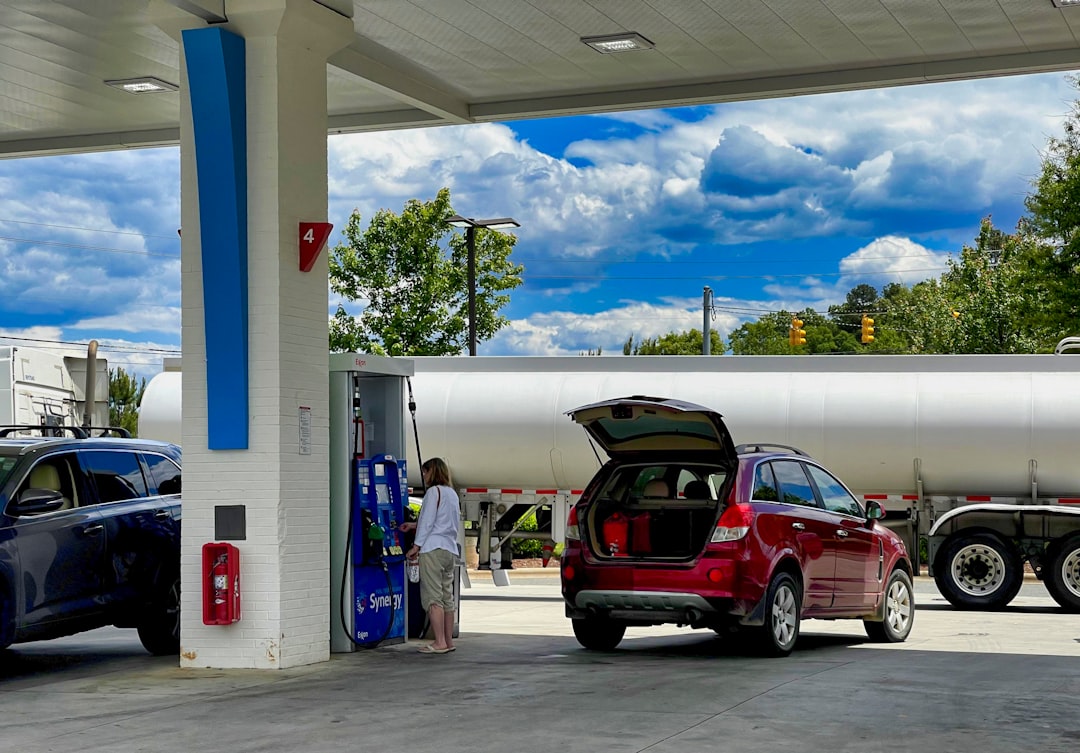
As they say in Westminster, "the constitution is what happens"—precedent matters more than law. The nation has been here before, though in different circumstances. The fuel protests of September 2000 brought the Tony Blair government to its knees within days, whilst the pandemic shortages of 2021 exposed the fragility of Britain's just-in-time supply chains even with emergency measures in place.
This latest crisis, however, comes at a particularly awkward moment for Sir Keir Starmer's government, already grappling with economic headwinds and questions about Britain's energy resilience outside European Union frameworks. Unlike the 2000 protests, which stemmed from blockades by hauliers, or the 2021 shortages driven by HGV driver availability, the current warnings suggest deeper structural issues in the fuel supply chain.
The timing could scarcely be worse. Airlines operating from British airports would face severe disruption if jet fuel supplies tighten, potentially affecting everything from transatlantic routes to short-haul European connections. Road haulage, already burdened by post-Brexit customs requirements, would face yet another operational constraint.
Downing Street has not yet issued a formal statement on the warnings, though sources suggest ministerial meetings have been convened to assess the situation. The Department for Energy Security and Net Zero—created in February 2023 to provide ministerial oversight of Britain's energy independence—will face its most significant test since inception.
The parallels to past crises are instructive. In 2000, panic buying emptied forecourts within seventy-two hours despite government appeals for calm. In 2021, Cabinet Office briefing room meetings failed to prevent widespread hoarding once the media reported potential shortages. Whether this government can avoid repeating those mistakes remains to be seen.
Industry representatives have privately expressed concern that Britain's refining capacity—already diminished following closures at Milford Haven and Teesside—leaves the nation heavily dependent on imports precisely when global fuel markets face their own pressures from Middle Eastern instability.
The situation represents a significant political liability for Labour, which campaigned on promises of energy security and economic competence. Opposition parties will inevitably draw connections to the government's broader economic strategy and its handling of post-Brexit supply chain vulnerabilities.
Parliamentary questions are expected when the Commons returns from recess, though the government may invoke national security considerations to limit public disclosure of strategic fuel reserves and contingency measures.