

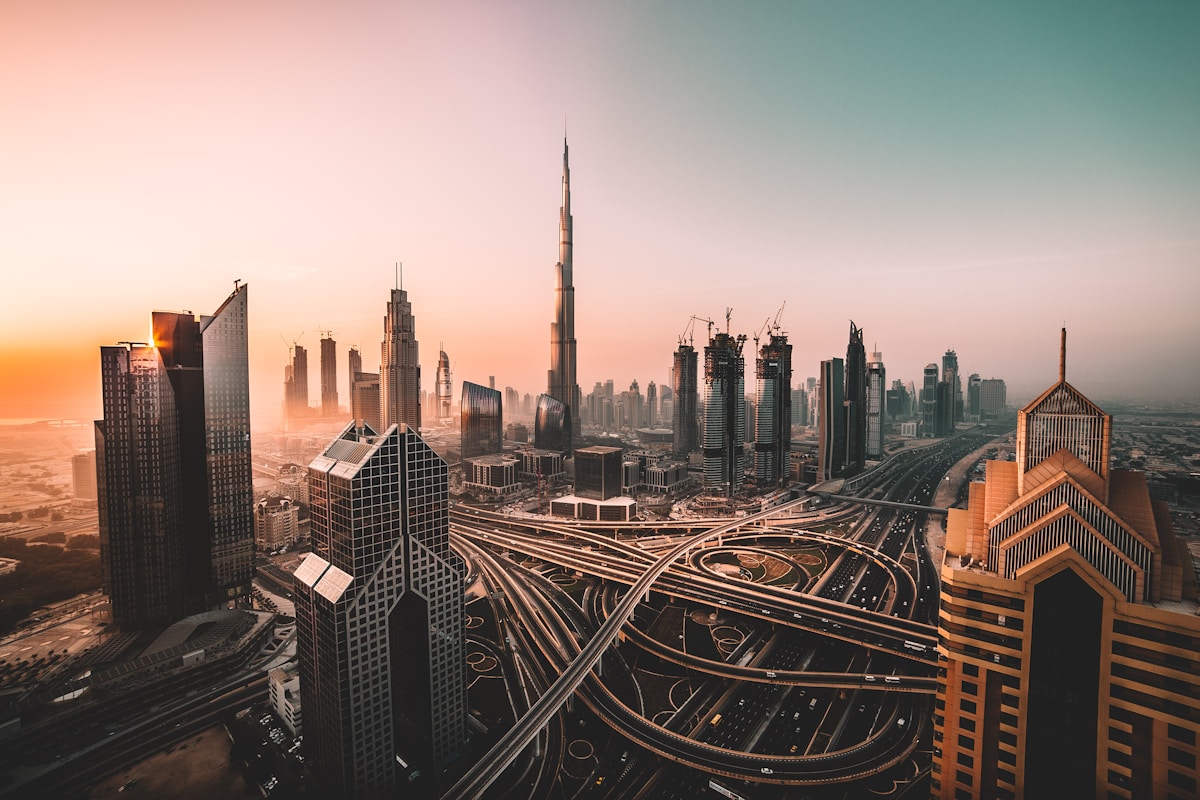
For the first time since regional hostilities began, the UAE Ministry of Defence has reported zero airspace threats over a 48-hour period, a development that signals potential de-escalation and offers relief to the aviation industry central to the Emirates' economic model.
The ministry's daily threat briefing, which has become a closely watched indicator of regional security conditions, showed no intercepted projectiles, no airspace incursions, and no defensive operations for two consecutive days—a stark contrast to the intensive activity that characterized earlier phases of the conflict.
"This is the first breath of normal air we've had in weeks," said Captain Tariq al-Mazrouei, a senior pilot with Emirates Airlines. "Every day of clear skies means we can restore more routes, reduce contingency planning, and get back to what Dubai does best—connecting the world."
The timing coincides with diplomatic efforts in Islamabad, where Iranian and American delegations are engaged in ceasefire negotiations. While officials have not explicitly connected the two developments, the correlation suggests that diplomatic progress may already be affecting operational decisions on the ground.
In the Emirates, as across the Gulf, ambitious visions drive rapid transformation—turning desert into global business hubs. But those transformations depend on the kind of reliable infrastructure that weeks of airspace uncertainty threatened to undermine. Dubai International Airport, the world's busiest for international passengers, had implemented flight restrictions and contingency routing that added costs and complexity to operations.
"Aviation is not just an industry for us—it's the circulatory system of our entire economic model," explained Sara Abdullah, an aviation analyst at Emirates Policy Institute. "When flights are disrupted, it affects tourism, business travel, logistics, and ultimately investor confidence in the UAE as a stable hub."
The economic impact of the conflict extended beyond aviation. Insurance premiums for regional operations increased, some multinational corporations temporarily relocated personnel, and business conferences were postponed. The return to normal airspace conditions represents a critical first step in reversing those trends.


