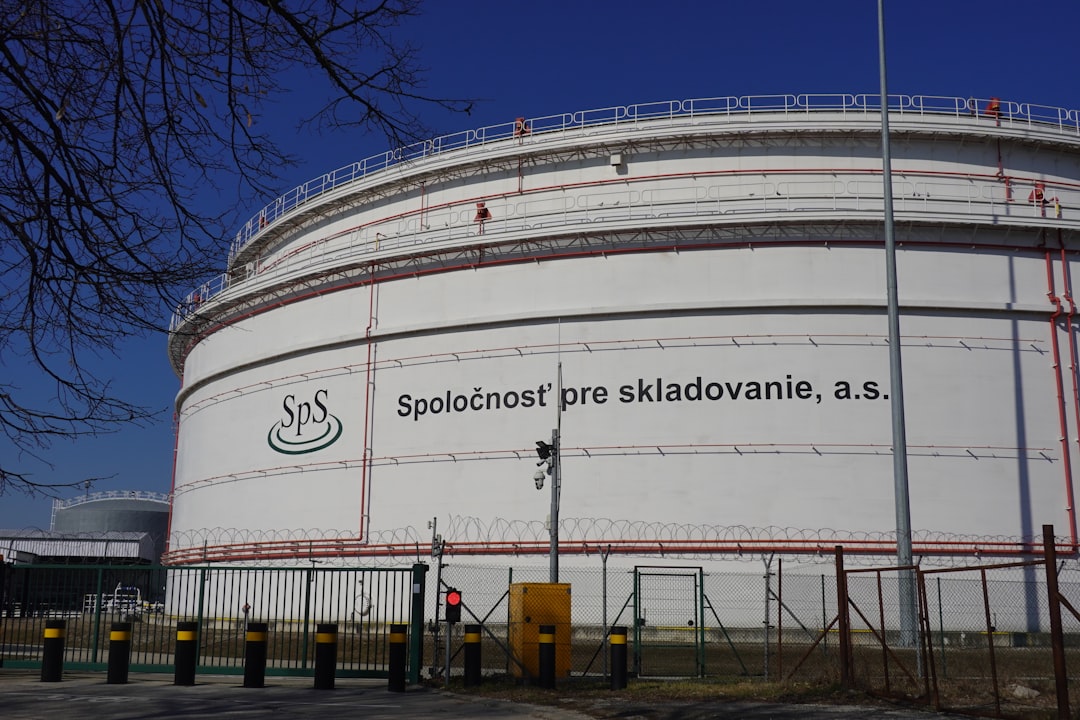
The United Arab Emirates will store up to 30 million barrels of crude oil in India's strategic petroleum reserves following an agreement announced Thursday during Prime Minister Narendra Modi's visit to Abu Dhabi, marking a significant shift in Gulf energy partnerships as regional tensions threaten supply routes.The arrangement allows the UAE to position oil closer to key Asian markets while providing India—the world's third-largest oil consumer—guaranteed access to emergency supplies and reduced dependence on spot market volatility. The deal underscores how Persian Gulf producers are recalibrating energy security strategies in response to Iran's blockade of the Strait of Hormuz and escalating U.S.-Iran confrontation."This partnership strengthens energy security for both nations," said Emirati Energy Minister Suhail al-Mazrouei at a joint press conference with his Indian counterpart. "It reflects our commitment to stable, long-term energy cooperation with strategic partners in Asia."The stored oil will be housed in underground caverns at three locations along India's western and southern coasts, part of a strategic reserve program New Delhi has been developing since the mid-2000s. India currently maintains emergency reserves of approximately 5.33 million metric tons—roughly equivalent to 10 days of national consumption—far below the 90-day standard recommended by the International Energy Agency.To understand today's headlines, we must look at yesterday's decisions. The UAE has historically oriented its energy exports toward Asian buyers, with China, Japan, South Korea, and India collectively accounting for more than 70 percent of its crude sales. But traditional export routes through the Strait of Hormuz—the narrow waterway separating the Persian Gulf from the —have become increasingly precarious.'s decision to close the strait in response to U.S. military strikes has disrupted approximately 21 percent of global oil flows, triggering price spikes and forcing producers to explore alternative arrangements. While the operates a pipeline that bypasses the strait, running from to the port of on the , capacity is limited compared to tanker shipments.Storing crude in provides multiple advantages. It reduces the 's vulnerability to supply disruptions, offers logistical flexibility for reaching Asian customers, and potentially serves as a hedge against prolonged regional instability. For , the arrangement strengthens ties with a crucial supplier while expanding strategic reserves without upfront capital expenditure. said , founder of Vanda Insights, an energy consultancy based in . The timing is politically significant. The agreement comes as navigates complex relationships with both the and . has historically maintained pragmatic ties with , driven by energy needs and regional connectivity projects like the port. But U.S. pressure and concern over Iran's actions have pushed to reduce Iranian oil imports and strengthen partnerships with Gulf Arab states.The has emerged as a particularly important partner for across multiple domains. Bilateral trade exceeded $85 billion in 2025, and Emirati investments in Indian infrastructure, renewable energy, and technology sectors have grown substantially. The two countries signed a comprehensive economic partnership agreement in 2022 that has accelerated trade and investment flows.Energy security concerns have intensified for as its economy grows and oil demand increases. The country imports approximately 85 percent of its crude oil requirements, making it highly vulnerable to supply shocks and price volatility. The government has prioritized expanding strategic reserves and diversifying supplier relationships as core components of national security planning.Other Gulf producers are watching the - arrangement closely. has explored similar storage agreements with Asian buyers, though no deals have been finalized. The model could become more common if the crisis persists or if regional security deteriorates further.Industry analysts note that physical storage in consuming countries represents a partial solution to supply vulnerabilities but does not eliminate risks. said , managing partner at Energy Outlook Advisors. The - deal also reflects shifting dynamics in global energy markets as producers and consumers alike prepare for a prolonged period of instability in the . The optimism that followed various diplomatic breakthroughs in recent years—including the Abraham Accords and the - rapprochement—has given way to renewed pessimism as military confrontations escalate and diplomatic channels produce limited results.
|