

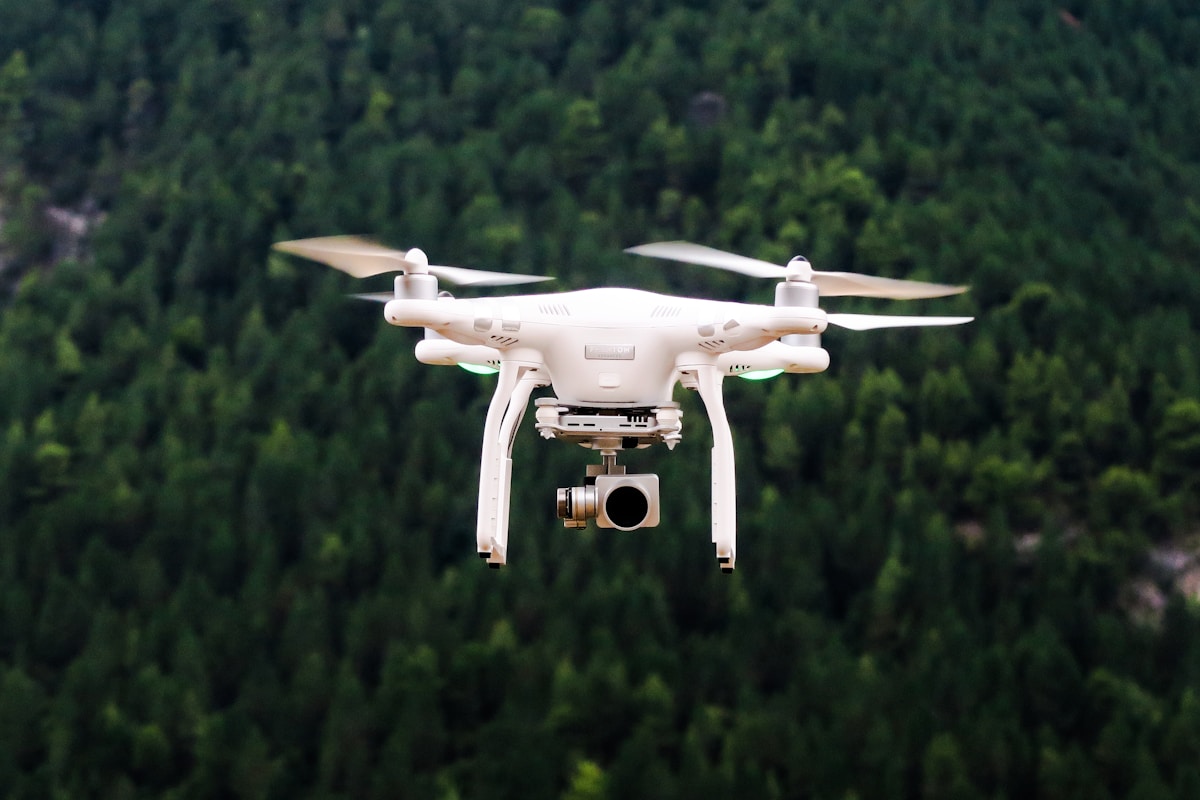
The UAE's experience with sustained drone attacks this week exposes critical vulnerabilities in air defense architectures designed for traditional missile threats, as low-flying unmanned systems repeatedly evade early warning protocols.
Residents across the Emirates expressed frustration that emergency alert systems, which successfully warned of incoming missile threats, provided no advance notice before drone strikes. The phenomenon reflects a broader challenge facing modern militaries: cheap, commercially-derived drones increasingly defeat expensive, sophisticated defense systems.
"Missile trajectories are predictable," explained one analysis widely shared among UAE residents. "Drones fly low and don't really have predictable destinations. These cheap drones are sent out in large numbers too, so you'll be seeing alerts literally every minute of the day if we somehow had drone alerts."
The asymmetry defines modern conflict economics. Iran can produce Shahed-136 drones for an estimated $20,000 to $50,000 per unit, while interceptor missiles cost $500,000 to several million dollars each. A sustained campaign forces defenders to expend vastly more resources than attackers, fundamentally challenging traditional security calculations.
In the Emirates, as across the Gulf, ambitious visions drive rapid transformation—turning desert into global business hubs. Yet the billions invested in Patriot batteries and THAAD systems prove less effective against adversaries deploying swarms of expendable drones.
The challenge extends beyond economics to detection physics. Conventional air defense radars excel at tracking fast-moving, high-altitude targets like ballistic missiles or fighter aircraft. Small drones flying at low altitudes, often slower than 200 kilometers per hour, present minimal radar signatures and blend with civilian air traffic or ground clutter.
Israel confronted similar challenges defending against drones in recent years, investing heavily in specialized counter-drone systems combining radar, electro-optical sensors, and electronic warfare capabilities. The UAE's experience this week suggests Gulf states face a compressed timeline to develop comparable layered defenses.


