
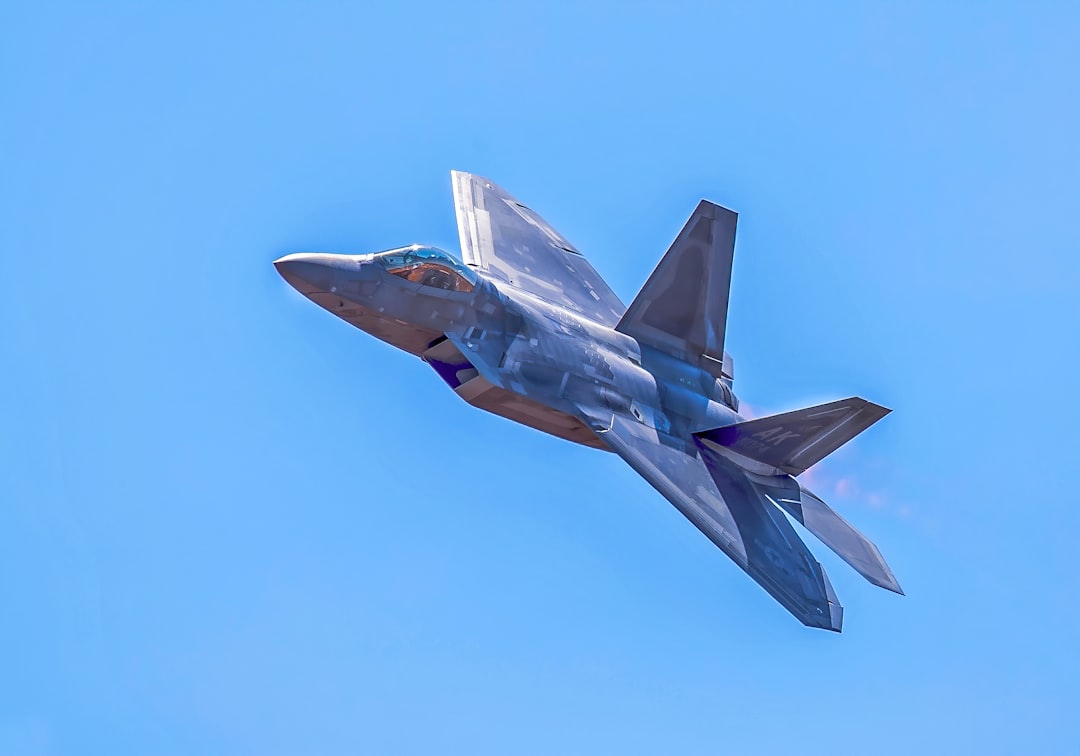
Two U.S. Navy EA-18G Growler fighter jets collided and crashed in a fireball Sunday during an air show at Mountain Home Air Force Base in western Idaho, but all four crew members successfully ejected and survived, according to military officials.
The dramatic mid-air collision occurred during the Gunfighter Skies air show—the first held at the base since 2018—approximately 50 miles south of Boise. Witness footage captured the moment the aircraft made contact during their aerial demonstration, then spun in tandem as crew members ejected and parachutes deployed. The jets fell together and exploded upon impact with the ground.
"All four crew members ejected safely and parachuted to the ground," event organizers confirmed in a statement. The aviators underwent medical evaluation following the incident. Nobody on the ground at the military base was injured.
The aircraft belonged to Electronic Attack Squadron 129, based at Naval Air Station Whidbey Island in Washington State. The EA-18G Growler is a specialized electronic warfare variant of the F/A-18F Super Hornet, designed to jam enemy radar and communications systems—a critical capability in modern combat operations.
The National Weather Service reported good visibility at the time of the crash, though winds were gusting up to 29 mph. The Navy has launched an investigation into the collision, standard procedure for any military aviation accident.
The incident comes during the Memorial Day weekend, when air shows across the country honor military service members. As Americans like to say, 'all politics is local'—even in the nation's capital—but military air demonstrations remain one of the few truly bipartisan American traditions, drawing crowds regardless of political affiliation.
Air show safety has improved dramatically over recent decades. The industry averaged about two deaths annually in past decades but has reduced that figure to closer to one per year over the past ten years, according to aviation safety experts. Still, the inherent risks of precision flying in close formation remain, particularly with high-performance military aircraft capable of speeds exceeding 1,000 miles per hour.
For the aviators' families in and across the country, Sunday's outcome represents the best possible result from a catastrophic mechanical failure. The successful ejections underscore decades of investment in pilot safety systems—from ejection seat technology first developed in World War II to modern parachute systems designed to deploy safely even at low altitudes.