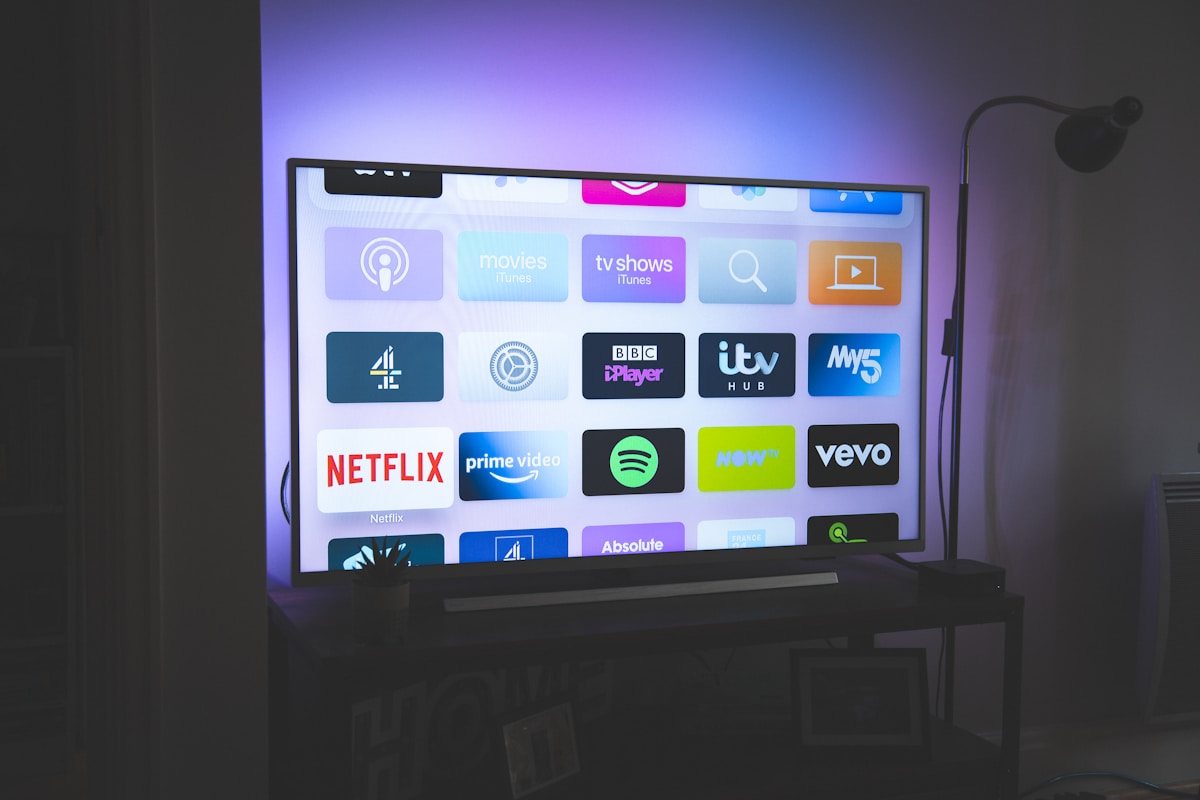
LG and other manufacturers are quietly abandoning 8K TV development, finally conceding what consumers have been saying all along: 4K is already more pixels than most people can perceive from their couch.
For years, TV makers pushed 8K as the next must-have feature, promising an upgrade that would revolutionize your viewing experience. The problem? Unless you're sitting uncomfortably close to a massive screen, the human eye literally cannot distinguish 8K resolution from 4K at typical viewing distances.
But that didn't stop the marketing departments. Trade shows featured stunning 8K demonstrations. Press releases promised transformative visual experiences. Retailers displayed 8K TVs at premium prices. And consumers largely said "no thanks."
The retreat marks a rare moment when market reality defeated marketing departments. People weren't being luddites or resistant to innovation - they were making a rational calculation that paying thousands more for imperceptible improvements didn't make sense.
There's also the content problem: there's virtually no native 8K content available. Streaming services are still optimizing 4K delivery. Broadcast television is mostly 1080p. Game consoles are targeting 4K at high frame rates, not 8K at slideshow speeds. The entire ecosystem never materialized.
Industry watchers suggest manufacturers will now focus on features that actually matter to consumers: better HDR implementation, improved motion handling, lower input lag for gaming, and making TVs that don't become obsolete when the smart platform stops getting updates.
This is what happens when an industry finally stops selling a product no one asked for. 8K wasn't solving a problem consumers actually had. It was solving a problem manufacturers had: how to justify premium pricing in a mature market.
The technology was real. The visual quality was genuinely impressive in controlled demonstrations. But impressive in a showroom doesn't mean valuable in your living room. The TV industry just learned that lesson the expensive way.