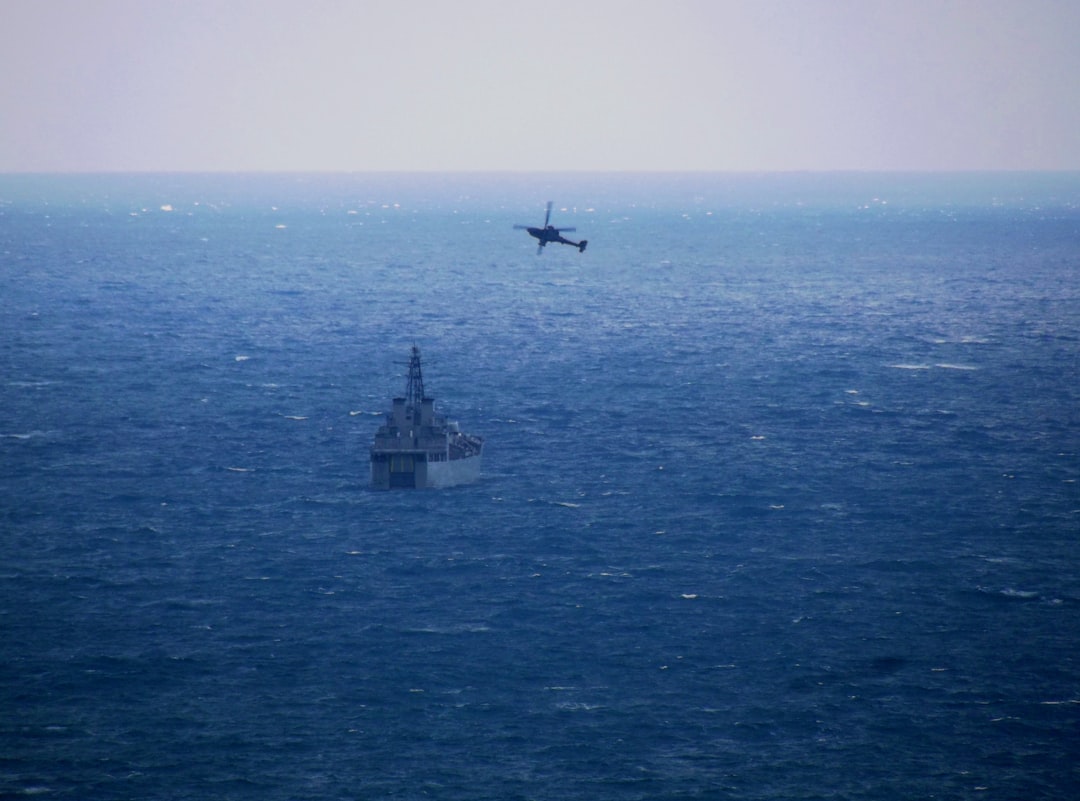
President Donald Trump issued an urgent call Friday for Britain, France, Japan, and other affected nations to deploy warships to the Strait of Hormuz, threatening to "bomb the hell out of the shoreline" if Iran continues blocking commercial shipping through the critical waterway.In a post on Truth Social, Trump demanded that allied nations send vessels "in conjunction with the United States of America, to keep the Strait open and safe." The appeal represents Washington's most explicit effort to build an international naval coalition since the crisis began, echoing failed attempts in 2019 to assemble a similar force.The request has placed Prime Minister Keir Starmer's government in a diplomatically precarious position. London has thus far declined to join U.S. military operations against Iran, citing concerns about escalation and the need for parliamentary approval—a marked departure from the Britain's historically close security partnership with Washington."The Government is aware of public concern about the impact of global conflicts on the cost of living," a government spokesperson stated, conspicuously avoiding any commitment to deploy naval assets. The statement instead emphasized domestic support measures, including the extended 5p fuel duty cut and expanded Warm Homes Discount program.To understand today's headlines, we must look at yesterday's decisions. The 2019 effort to form an International Maritime Security Construct attracted only Albania, Bahrain, Saudi Arabia, and the UAE alongside Britain and the U.S. European allies largely declined to participate, preferring diplomatic engagement with . faces intense pressure from opposition parties and segments of his own Labour backbenches to resist requests for military support. The prime minister's allies have privately praised his cautious approach, viewing it as a defining test of 's post-Brexit foreign policy independence. one senior Labour figure told The Guardian, speaking anonymously. "Standing up to when they're wrong is exactly what Brexit was supposed to enable."The diplomatic rift has grown more pronounced as the crisis intensifies. Shipping through the —which typically handles 138 vessels daily carrying roughly one-fifth of global oil supplies—has plummeted to approximately five ships per day due to Iranian threats and attacks.'s statement also threatened that forces would be language that alarmed European diplomats already concerned about uncontrolled escalation. and have reportedly initiated private negotiations with regarding maritime safety, efforts that could be undermined by aggressive military action.The request for allied naval support comes as maintains a substantial military presence in the region, including carrier strike groups and amphibious ready groups. However, the administration appears eager to frame the crisis as an international problem requiring a multilateral response—both to share operational burdens and provide political cover for potential military escalation.'s Royal Navy has experience operating in the , including escorting British-flagged vessels through the during previous tensions with . But committing forces to a -led operation would represent a qualitatively different level of involvement, potentially making vessels targets for Iranian retaliation.As energy prices surge and economic anxiety grows across , allied governments face a stark choice: risk military entanglement in the or accept continued disruption to critical energy supplies. For , that calculation has thus far favored restraint—but the pressure from shows no signs of easing.
|