
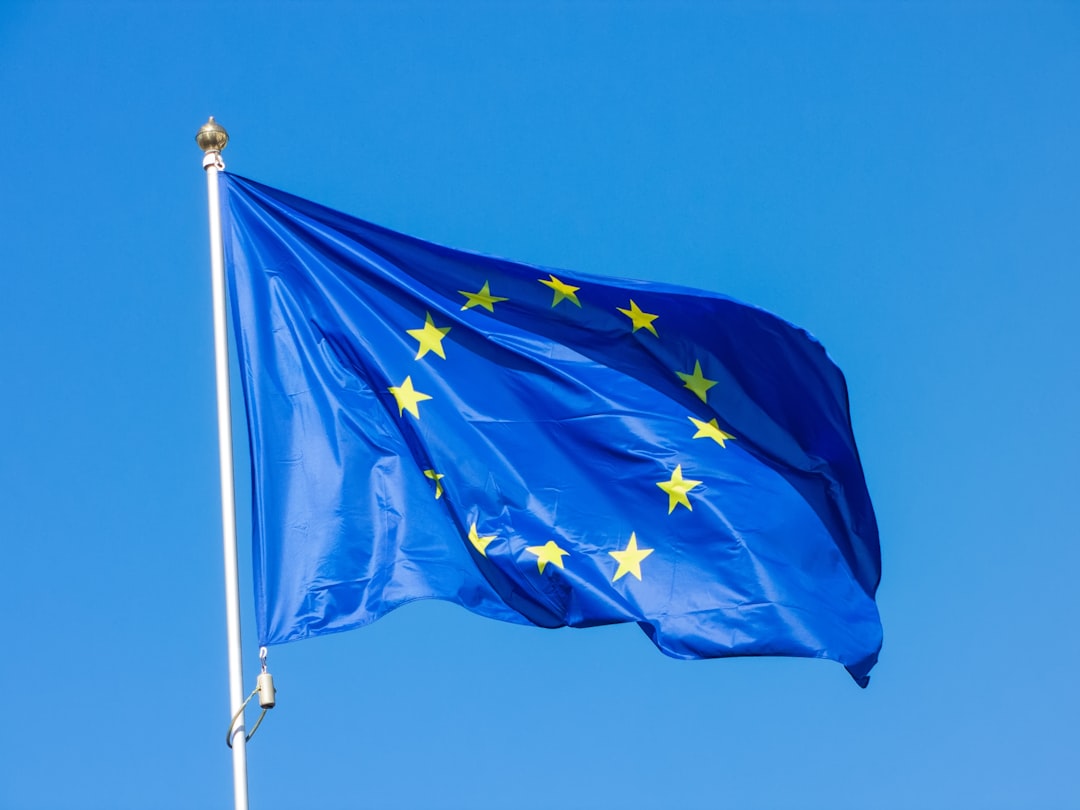
President Donald Trump threatened on Monday to "cut off all trade" with Spain, the latest in a series of economic threats aimed at European allies—and a direct challenge to whether the European Union can maintain a unified response when Washington picks off member states one by one.The threat, reported by German media outlet n-tv and confirmed by the Wall Street Journal, comes as Trump pressures European governments over their responses to US strikes in Iran. Spain has been among the more vocal EU critics of the American military action.Here's what matters: under EU treaties, trade policy is an exclusive competence of the European Union. Member states cannot negotiate their own trade deals. So when Trump threatens Spain, he's effectively threatening the entire EU single market—and testing whether Brussels will act collectively or whether countries will scramble to cut individual deals to escape American tariffs.Brussels decides more than you think. How the EU responds to this threat will determine whether European trade policy survives the Trump era intact.The institutional mechanics are clear but the political reality is messy. The European Commission negotiates trade agreements on behalf of all 27 member states. Spain cannot legally strike its own deal with Washington, even if it wanted to. Any US tariffs on Spanish goods would require EU-level retaliation—in theory.In practice, Trump is betting that member states will pressure Brussels to go soft rather than risk escalation. It's the same playbook he used in his first term, when he threatened tariffs on German cars and French wine to extract concessions on everything from defense spending to digital taxes.The Spanish government has not yet issued a formal response to Trump's threat, according to <link href="https://www.n-tv.de/politik/Trump-droht-Spanien-mit-Handelsembargo-id30427770.html">n-tv reporting</link>. That silence is telling. Madrid knows that any public statement either commits the entire EU to a confrontation with Washington or makes look like it's breaking ranks.This is the nightmare scenario for EU trade policy: a US president who understands that the bloc's strength—collective action—is also its vulnerability. Get one country scared enough, and the whole system starts to crack., the , and have all been more supportive of Trump's Iran strikes. If faces economic punishment for its vocal criticism while other member states escape unscathed, what incentive does any government have to maintain EU solidarity next time?The Commission will insist that member states must hang together. Trade Commissioner will dust off talking points about rules-based international order and WTO compliance. EU diplomats will hold crisis meetings and draft strongly-worded statements.But Trump doesn't care about WTO rules—he barely cared about them in his first term, and he cares even less now. The question is whether European capitals care enough about collective trade policy to accept economic pain in the name of EU unity.For British readers, this should sound familiar. Brexit was premised partly on the idea that the UK could negotiate better trade deals outside the EU's cumbersome collective system. How's that going? has spent six years trying to secure a comprehensive trade agreement with , with little to show for it.The irony is that the UK might benefit from EU-US trade tensions. If Trump starts slapping tariffs on European goods, British exports could gain a competitive advantage—unless he decides to lump in with the Europeans, as he often does.What happens next depends on whether Trump follows through. He threatens a lot; he acts less often. But even the threat itself damages EU cohesion by forcing member states to calculate: are we better off sticking with ' common trade policy or cutting our own deal before the tariffs hit?That's the real test of European unity. Not whether member states agree in principle that collective trade policy is good, but whether they'll stick with it when offers them an individual escape hatch—and threatens them individually if they don't take it.Brussels decides more than you think. Unless member states decide they'd rather did the deciding instead.
|