
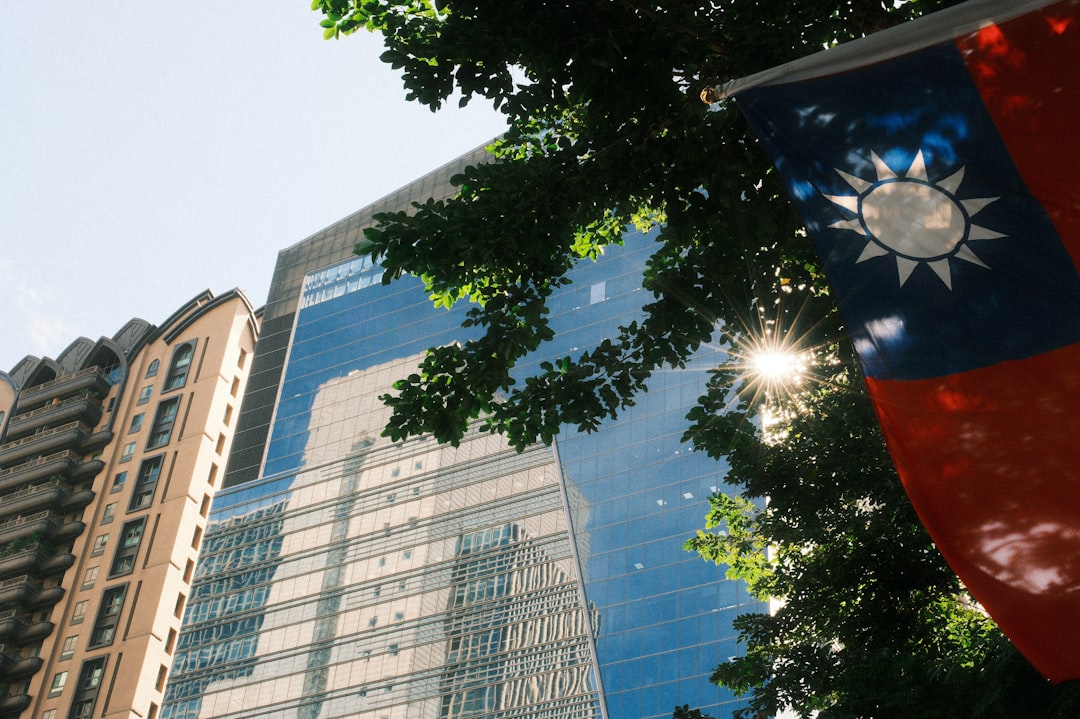
Recent statements from Donald Trump questioning the depth of American commitment to Taiwan's defense have sent ripples through Beijing, Taipei, and capitals across the Asia-Pacific, according to The Economist. The former president's rhetoric marks a potential shift in Washington's carefully calibrated position on the most sensitive flashpoint in US-China relations.
In China, as across Asia, long-term strategic thinking guides policy—what appears reactive is often planned. For CCP strategists, Trump's ambiguous signals on Taiwan represent both opportunity and risk. Beijing has long accused Washington of using strategic ambiguity as cover for gradual moves toward recognizing Taiwan independence, while simultaneously benefiting from ambiguity that constrains Taipei's own sovereignty aspirations.
The question now preoccupying analysts in Beijing's foreign policy apparatus is whether Trump's statements reflect genuine policy intentions or negotiating posture designed to extract concessions from allies or from China itself. This distinction matters enormously for the Central Military Commission's planning around Taiwan contingencies and the broader timeline for potential unification efforts.
CCP decision-makers view Trump through the lens of his first-term approach to China—aggressive trade policies combined with transactional diplomacy that sometimes prioritized deals over alliances. If Trump returns to office with reduced commitment to Taiwan defense, Beijing calculates it could accelerate pressure campaigns while facing fewer costs from American intervention. However, Chinese strategists also recognize that Trump's unpredictability could make crisis management more difficult.
For regional allies, Trump's Taiwan comments compound existing anxieties about American reliability in Asia. Japan, South Korea, the Philippines, and Australia have built security architectures premised on durable US commitments to maintain the regional balance of power. Any perception that Washington might acquiesce to Chinese military action against Taiwan raises fundamental questions about whether the United States would honor defense treaties with these partners.