
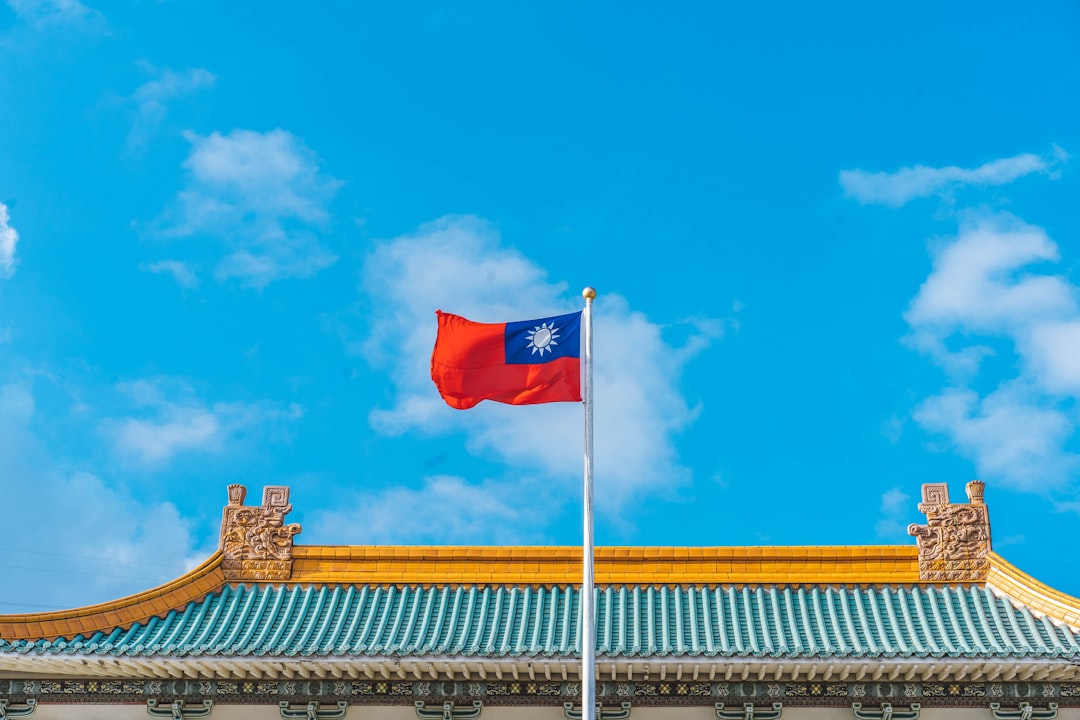
Donald Trump has declared he will speak directly with Taiwan's president if elected in November, marking a potential return to the diplomatic rupture that characterized his first transition to power in 2016.
The former president's statement, reported by The Guardian, signals his willingness to again disregard the diplomatic framework that has governed US-Taiwan relations since 1979, when Washington shifted formal recognition from Taipei to Beijing.
Watch what they do, not what they say. In East Asian diplomacy, the subtext is the text.
In December 2016, during his transition period, Trump took a congratulatory phone call from then-Taiwanese President Tsai Ing-wen, becoming the first US president or president-elect to speak directly with a Taiwanese leader in nearly four decades. That 10-minute conversation sent shockwaves through Beijing and raised questions about whether Trump understood—or cared about—the policy of "strategic ambiguity" that has underpinned cross-strait stability.
The practice of avoiding direct presidential contact reflects Washington's adherence to the "One China" policy, which acknowledges Beijing's position that Taiwan is part of China while maintaining unofficial relations with the island through the American Institute in Taiwan. The policy has allowed the US to support Taiwan's defense while avoiding a direct challenge to Beijing's territorial claims.
Strategic Ambiguity Under Pressure
Trump's renewed pledge comes at a moment of heightened tensions in the Taiwan Strait. Beijing has increased military exercises around the island, while the Biden administration has authorized multiple arms sales packages to and sent congressional delegations to the island—actions that stop short of direct presidential engagement but have nonetheless drawn sharp rebukes from Chinese officials.