
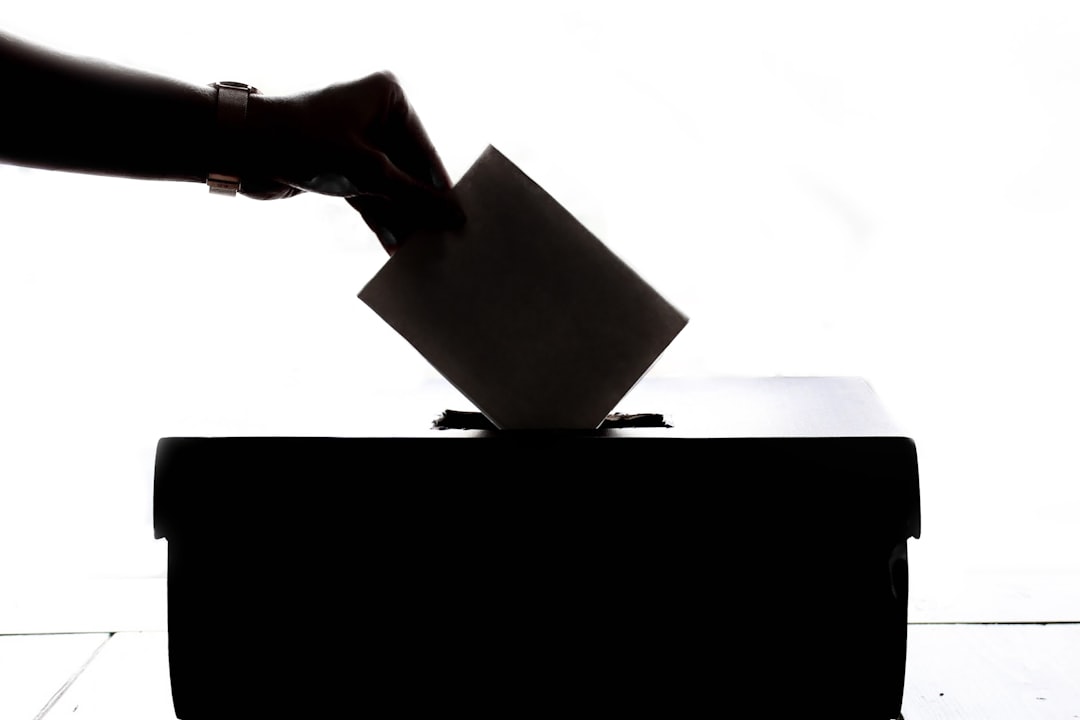
Trump administration officials quietly explored whether the Commerce Department could classify voting machine components as national security risks in order to ban devices used in approximately half of American polling places, according to a Reuters investigation published Thursday.
The effort, which would have affected millions of voters across swing states including Pennsylvania, Michigan, and Wisconsin, represents one of the most aggressive attempts to federalize election equipment standards based on conspiracy theories about voting security that have been repeatedly debunked by election officials from both parties.
According to the report, a Trump election-security official inquired whether the Commerce Department's Bureau of Industry and Security could designate certain voting machine models—particularly those using specific foreign-manufactured components—as threats warranting prohibition from federal use or recommendation against state deployment.
The proposal never advanced to formal regulatory action, but the inquiry reveals the extent to which unfounded election fraud claims continued to drive policy discussions within the administration. The machines in question have been certified by the Election Assistance Commission, a bipartisan federal agency, and are used by election officials across partisan lines.
The federal-state tension here is crucial: Under the Constitution, states maintain primary authority over election administration, including equipment selection. While the federal government provides voluntary guidelines and certification through the EAC, any attempt to ban state-purchased machines would represent an unprecedented intrusion into state sovereignty—ironically, by an administration that campaigned on limiting federal overreach.
Election officials who spoke to Reuters emphasized that the machines in question have paper ballot backups and undergo rigorous testing. "These systems have been audited, recounted, and litigated more than any in American history," one county election director noted. "They work."
The timing matters for 2028 preparations. Many jurisdictions are currently in multi-year procurement cycles for voting equipment. Had the ban proceeded, states would have faced the prospect of replacing recently purchased systems at a cost running into hundreds of millions of dollars—expenses that would ultimately fall on county budgets already strained by increased security requirements.