
A note before we begin: what follows is analysis of a reported scenario, not a confirmed news development. The sourcing requires careful handling.
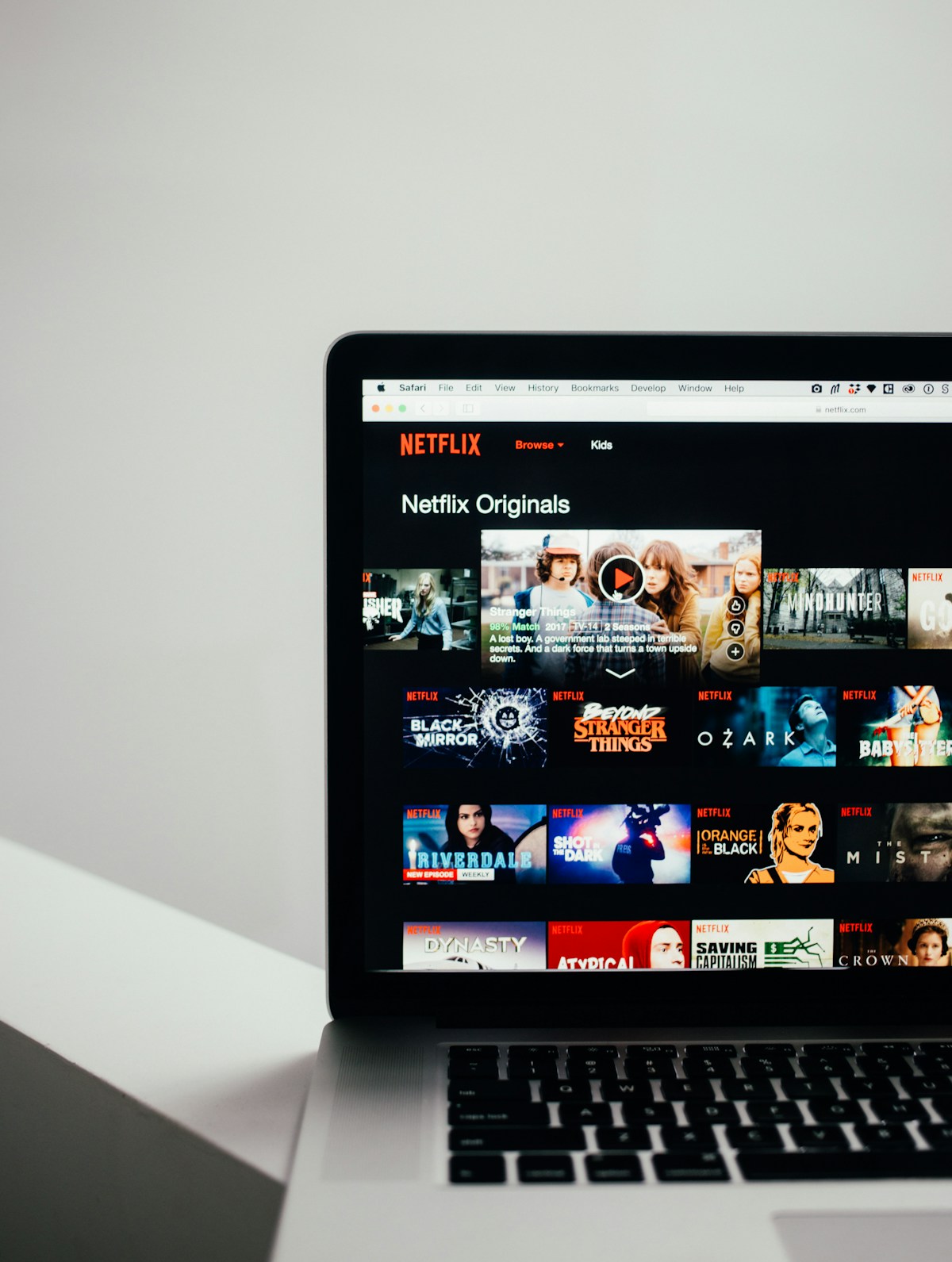
Washington Monthly contributor Jonathan Alter published a piece this week claiming to have learned from "very good sources" that the Justice Department will block Netflix's bid to acquire Warner Bros. Discovery on antitrust grounds - and that the resulting void would be filled by a Paramount-Skydance deal that would concentrate CBS, CNN, Fox, and TikTok under interests aligned with the current administration. Alter's sources are unnamed. The central claim has not been confirmed by a second outlet. We are treating this as reported speculation, not established fact.
With that caveat clearly stamped: if the hypothetical is even directionally accurate, the implications for entertainment deserve serious consideration.
Concentrating CBS, CNN, Fox, and TikTok under ownership friendly to any single administration would represent a degree of media consolidation without precedent in modern American history. We are not talking about a studio buying a streaming service, or a cable company acquiring a broadcast network. We are talking about the same political and financial interests holding the largest cable news channels in the country, the most-watched broadcast network, the streaming platform with the largest Gen Z penetration, and the content libraries of one of Hollywood's oldest studios - simultaneously.
For entertainment specifically, the content implications are concrete even if they're hard to predict precisely. Studios greenlight what their owners want to see greenlit. Broadcast standards reflect the comfort level of whoever holds the license. Comedy, drama, and documentary that makes powerful people uncomfortable tends to find less shelf space when the shelf is owned by those same people. This is not cynicism; it is the documented history of every major media consolidation of the past thirty years.