The 2026 World Cup is supposed to be a celebration. The beautiful game bringing the world together on North American soil. Countries putting aside differences for 90 minutes of football.
Now we've got the host country's president essentially telling a qualified team to stay home.
President Donald Trump said this week that Iran's national team is "welcome" to the World Cup, but immediately followed it up by saying it's "not appropriate that they be there, for their own life and safety."
Read between those lines. That's not a welcome. That's a warning wrapped in diplomatic language.
Whether you agree with the politics behind this statement or not - and that's not what we're here to debate - this is exactly what sports doesn't need. The World Cup has always been bigger than politics. It's the one event where countries that can't stand each other still show up, play the game, and let the result on the field do the talking.
Iran qualified for this tournament fair and square. Their players have trained their entire lives for this moment. And now they're being told, in not-so-subtle terms, that attending might not be safe.
What does that even mean? Is it a threat? Is it a prediction? Is it advice? The ambiguity is almost worse than a straight answer.
FIFA's whole mission is using football to bridge divides. To prove that sport transcends politics. To show that even when governments are at odds, athletes can still compete with respect and dignity.
This undermines all of that.
The Iranian players didn't choose their government. They didn't create the geopolitical situation between Tehran and Washington. They're footballers. They want to play in the World Cup. That's it. That's the whole story for them.
And now they're caught in the middle of something way bigger than a game.
Sports and politics have always had an uncomfortable relationship. You can't completely separate them - the Olympics proved that repeatedly during the Cold War. Jackie Robinson breaking baseball's color barrier was political whether he wanted it to be or not. Muhammad Ali's stance on Vietnam was inseparable from his boxing career.
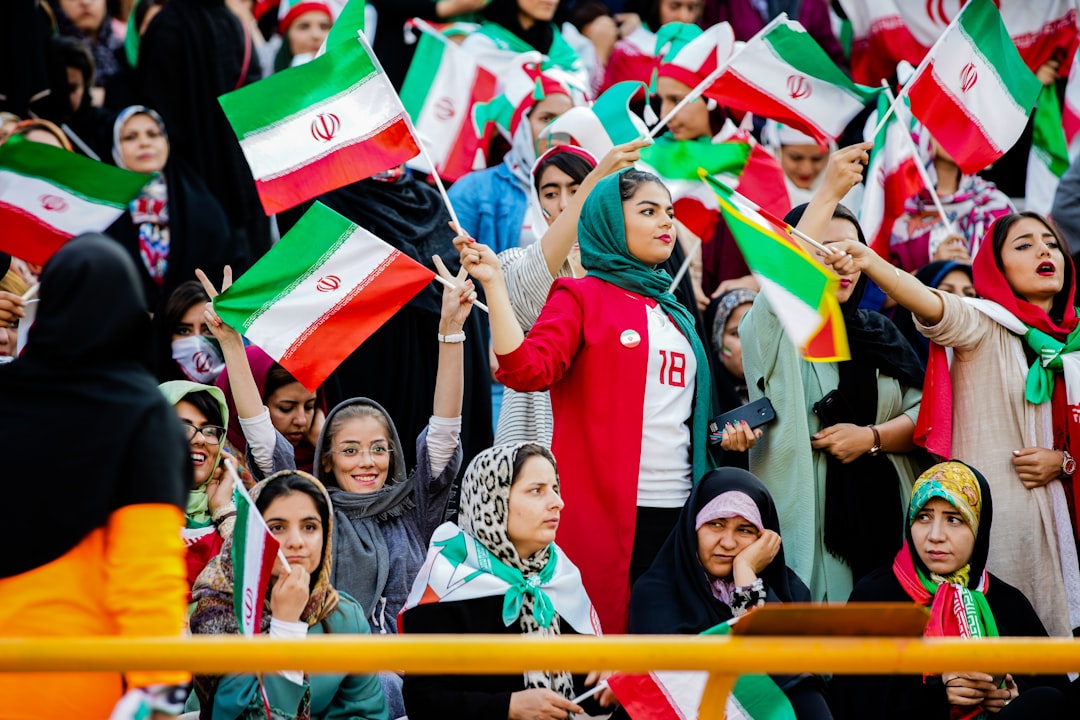
But the World Cup has generally been sacred ground. Countries in active conflict still show their flags together in the stadium. Fans from rival nations sit side by side. The game becomes the common language.