
The Trump administration has released a National Defense Strategy that explicitly threatens the use of military force against Latin American nations that fail to cooperate with Washington's priorities on drug trafficking and countering what it calls "rival influence" in the Western Hemisphere.
The strategy document, released by the Pentagon, marks the most aggressive U.S. posture toward the region in decades, directly threatening the sovereignty of twenty nations with a combined population of 650 million people.
According to G1, the document frames neighbors as potential military targets rather than partners, a dramatic shift from even the most interventionist periods of recent U.S.-Latin American relations.
The strategy identifies drug trafficking and the influence of rivals—presumably China and Russia—as justifications for potential military action. But the document provides no clear threshold for what would trigger intervention, leaving the region in a state of strategic uncertainty.
For Brazil, now a major global power with its own foreign policy priorities, the threat is particularly insulting. President Lula has pursued independent relationships with Beijing and maintained diplomatic ties with Moscow even as Washington demands alignment.
Mexico, facing relentless U.S. pressure on immigration and border security, now confronts the possibility that its sovereign territory could be violated by American forces. Colombia, despite decades of security cooperation with Washington, is not exempt from the threat.
And for Venezuela, Cuba, and Nicaragua—already under U.S. sanctions—the strategy codifies what they have long argued: that Washington views them not as sovereign states but as problems to be solved through force.
The timing is telling. As Europe reassesses its relationship with Washington and Asia diversifies away from American dominance, Latin America finds itself facing a United States that seems determined to reassert hegemony through intimidation.
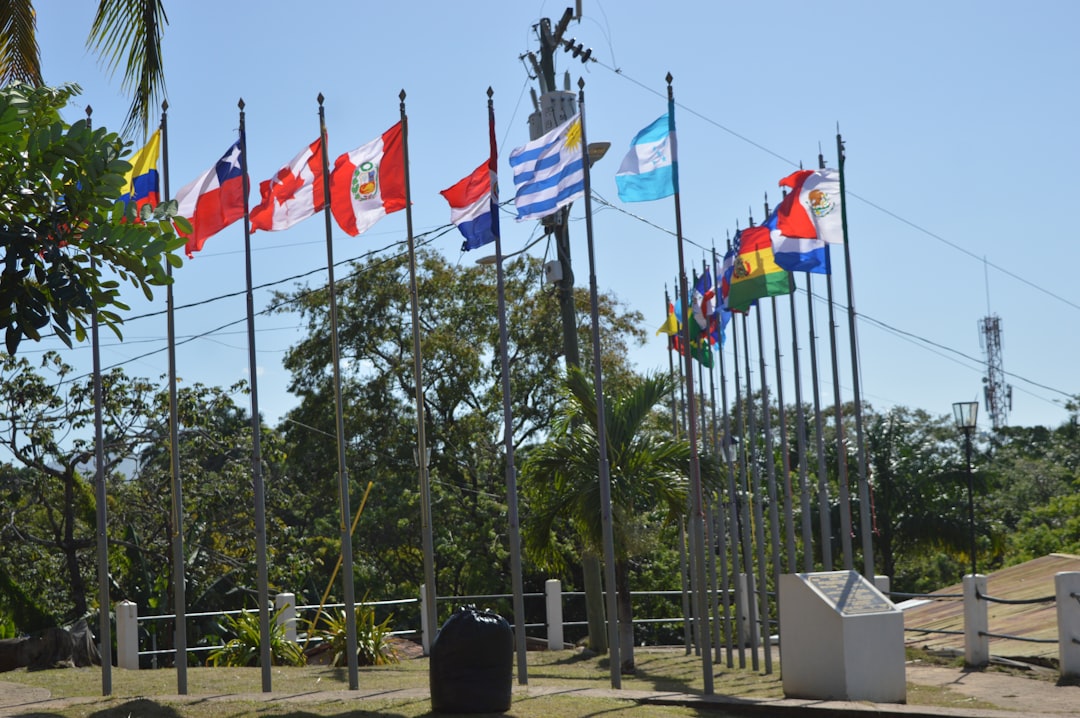
But nuestra America has changed. Brazil is a BRICS member. Mexico is an industrial power. Argentina, Chile, and Colombia have vibrant democracies that won't be dictated to. The region has spent two decades building alternative institutions—Mercosur, the Pacific Alliance, CELAC—precisely to reduce dependence on Washington.
The Trump administration may believe it can treat Latin America as its backyard. But twenty countries, 650 million people, and yes, we're more than your neighbor's problems. Somos nuestra propia historia—and we're writing it ourselves.
This strategy doesn't just threaten military intervention. It threatens to accelerate the exact outcome Washington fears most: a Latin America that looks to Beijing, not Washington, as its economic partner, and builds its security architecture without American participation.
The question now is whether Latin America's democracies will respond individually or collectively. The answer may determine whether the region enters a new era of autonomy—or returns to the subordination of the past.