
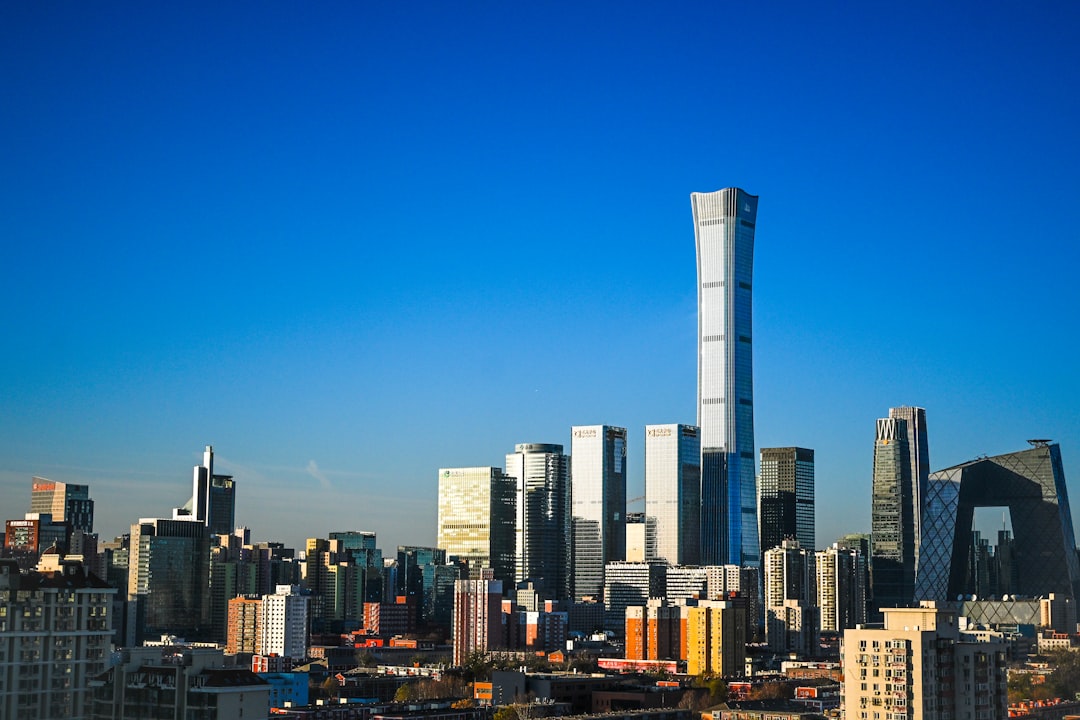
Donald Trump arrived in Beijing today leading a delegation of American billionaires whose combined wealth reportedly exceeds the GDP of most nations, marking a dramatic resumption of high-level trade negotiations between the United States and China after years of tensions.
The visit represents a significant shift in US-China relations, with commercial aircraft orders emerging as immediate diplomatic leverage. Sources familiar with the talks indicate that Boeing aircraft purchases are on the table, a traditional marker of goodwill in Beijing's diplomatic toolkit. Such orders have historically served dual purposes—addressing China's genuine aviation infrastructure needs while signaling political alignment.
Chinese officials characterized the visit as reflecting "mutual respect and practical cooperation," language that suggests Beijing views the engagement as consistent with its preferred framework of major power relations. The delegation's composition—weighted toward business leaders rather than traditional diplomats—aligns with China's long-standing preference for economic engagement as the foundation of bilateral relations.
The timing is strategically significant. China's 14th Five-Year Plan emphasizes technological self-sufficiency and domestic consumption, yet the economy faces mounting structural challenges including property sector deleveraging and weakening export demand. High-value American purchases, particularly in aviation, could provide welcome relief to specific industrial sectors while avoiding politically sensitive technology transfers.
Semiconductor restrictions and tariff structures are expected to feature prominently in discussions, though substantive breakthroughs on these issues appear unlikely in the near term. Both represent core strategic concerns for Beijing—semiconductor access relates directly to China's technology sovereignty goals, while tariffs affect the export-driven model that still underpins significant employment in coastal provinces.
In China, as across Asia, long-term strategic thinking guides policy—what appears reactive is often planned. The willingness to engage with a business-heavy American delegation reflects Beijing's assessment that economic interdependence, despite its vulnerabilities, remains a stabilizing force in an increasingly competitive relationship. The question is whether commercial agreements can be separated from the deeper technological and strategic competition that now defines US-China relations.
Provincial governments in Shanghai and Guangdong, where export manufacturers cluster, will be watching closely for any tariff relief that might ease pressure on local industries. Central officials, meanwhile, will balance the benefits of economic engagement against the imperative to maintain China's strategic autonomy on technology and security issues.