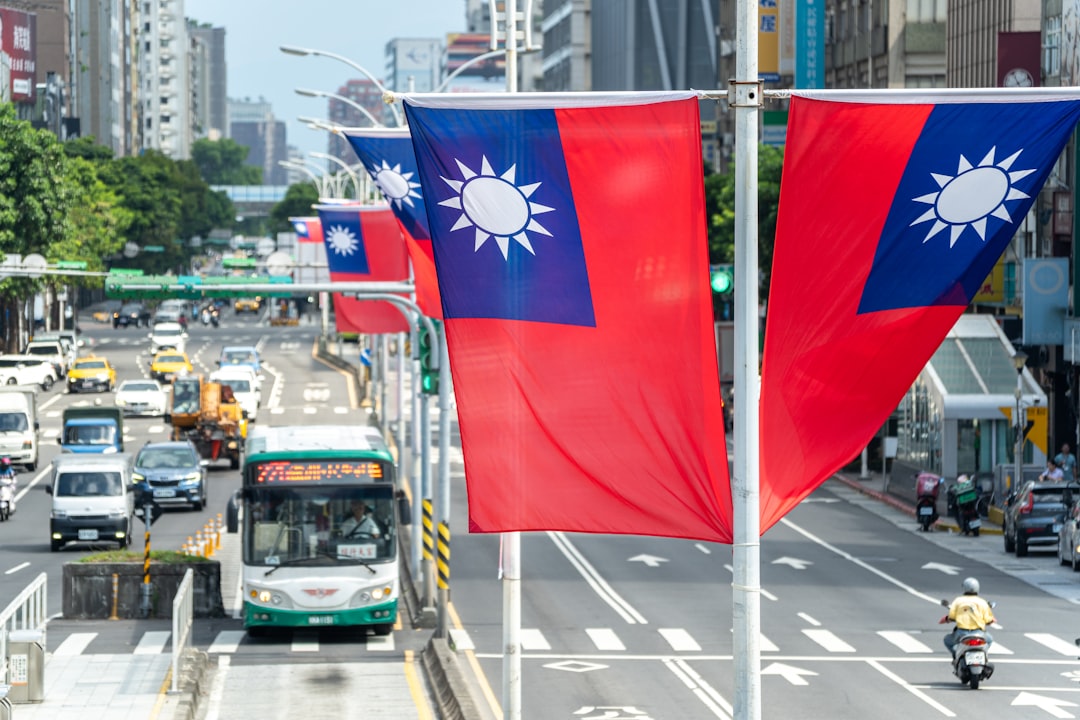
Donald Trump confirmed Wednesday that he intends to speak directly with Taiwan President Lai Ching-te, a move that would shatter 47 years of diplomatic convention and test Beijing's tolerance for US engagement with the self-governed island.
"I'll speak to him," Trump told reporters at Joint Base Andrews before boarding Air Force One. "I speak to everybody … We'll work on that, the Taiwan problem."
The statement marked the second time in a week Trump has signaled his intention to engage directly with Taipei, dispelling initial speculation that his first mention following last week's summit with President Xi Jinping was a verbal misstep. No call has been scheduled, according to sources familiar with the matter, but Trump's repeated affirmation suggests deliberate policy positioning rather than improvisation.
In China, as across Asia, long-term strategic thinking guides policy—what appears reactive is often planned. Beijing's response to Trump's announcement came through measured diplomatic channels rather than the immediate public rebuke that followed his 2016 call with then-President Tsai Ing-wen. According to the Financial Times, Chinese officials are now withholding approval for a potential summer visit to China by Pentagon undersecretary for policy Elbridge Colby, making clear that progress on military-to-military engagement depends on Trump's decisions regarding Taiwan.
The timing of Trump's announcement carries particular significance. Coming just one week after his Beijing summit with Xi, during which both leaders emphasized their "amazing" relationship, the statement suggests Trump views direct engagement with as compatible with his approach to US-China relations—or alternatively, as leverage in ongoing negotiations over a potential $14 billion weapons sale to the island.