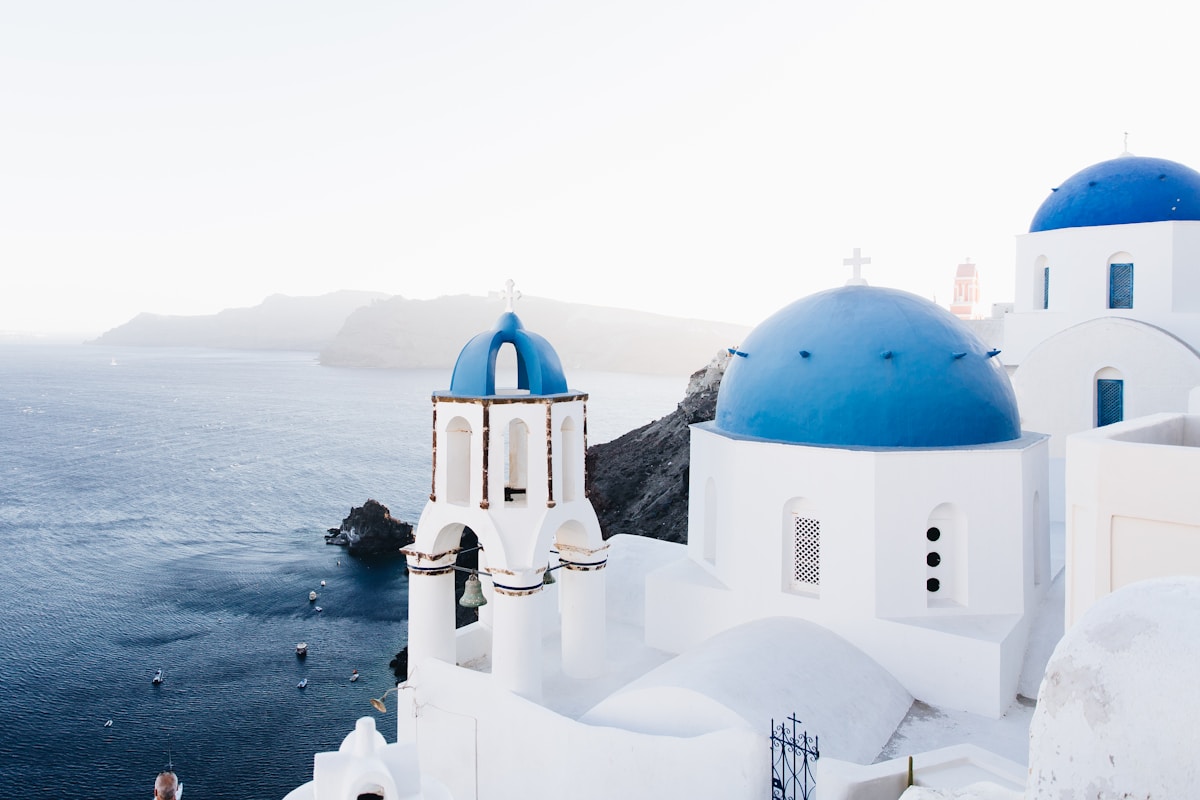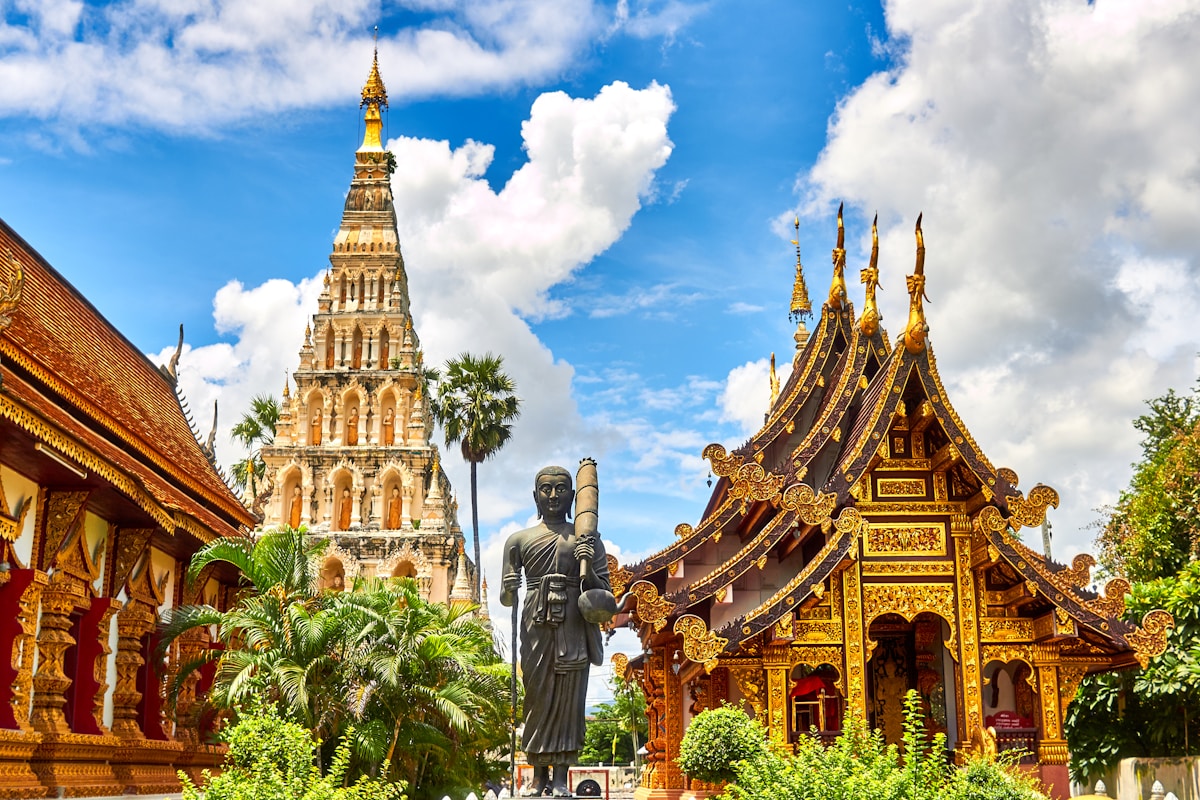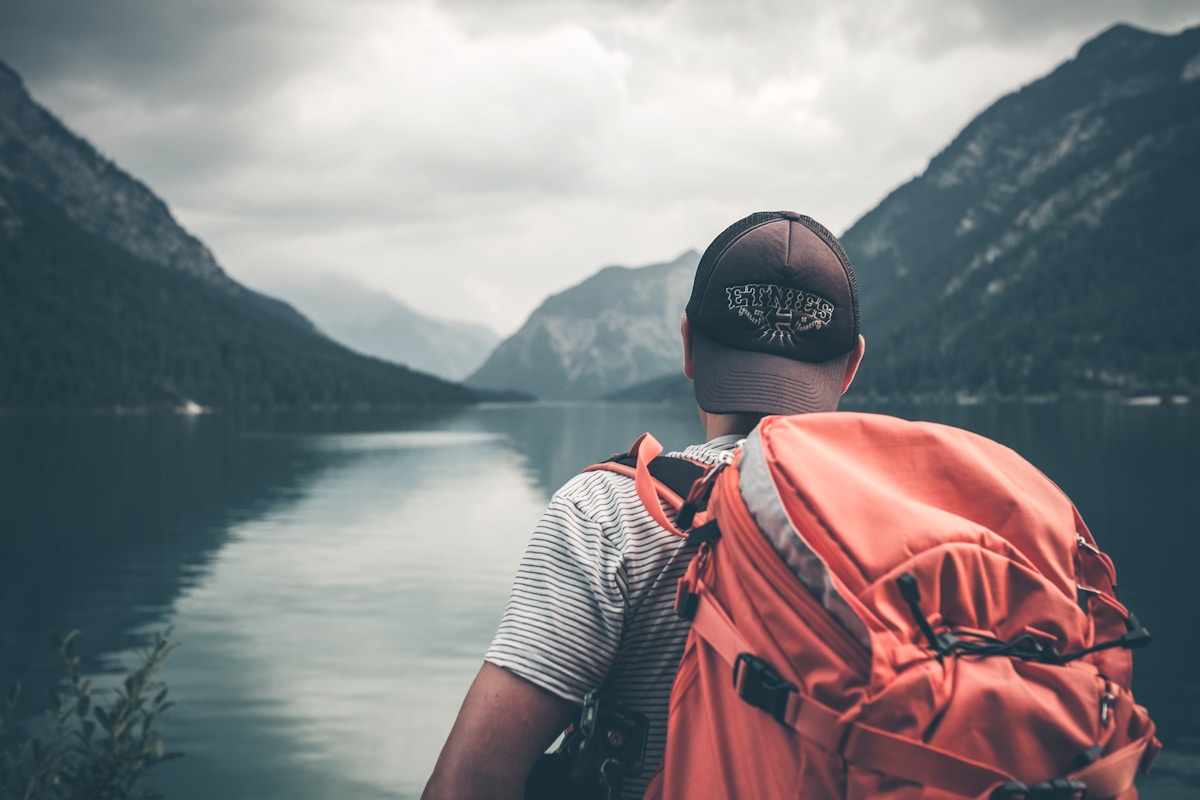
A 25-year-old traveler who has visited 14 countries in a year is experiencing an unexpected emotion: guilt. Despite paying for trips independently and having parental support, they're questioning whether they're traveling too much, showing off on social media, and failing to build adult skills like cooking and driving. The introspective post on r/solotravel reveals the psychological complexity of privilege, comparison culture, and finding identity through travel.
"I absolutely love traveling—I don't think there's anything in my life right now that brings me more joy," they wrote. "But I have this weird feeling of guilt that keeps stopping me from actually planning the trip" for a third international journey this year.
The confession resonated with dozens of young travelers navigating similar anxieties about privilege, social media performance, and the pressure to be "settled" by their mid-twenties.
The Privilege Paradox
The poster's situation highlights a common millennial and Gen Z tension: recognizing privilege while feeling guilty about enjoying it.
They pay for travel independently through employment, but live with their father who provides housing and food for minimal rent. This arrangement—increasingly common as housing costs outpace wages—creates financial flexibility that enables frequent travel.
"I know that once I start living on my own, I won't have these kinds of opportunities anymore, because I'll have to pay for food, rent, bills, and everything else myself," they acknowledged.
This awareness creates a double bind: use the financial advantage while you have it, or feel guilty about privileges others lack. The poster noted their parents never traveled this way, and friends without family support can't afford similar lifestyles.
"There are people who either can't afford that kind of lifestyle or are already much more settled down and simply don't live like this anymore," they wrote. "I don't want someone to see my stories or posts and think: 'Damn, he's traveling again?' or 'Can he stop showing off already?'"
Social Media Performance Anxiety
The guilt around posting travel photos reveals how social media has complicated authentic sharing:
Every post becomes performance. What feels like genuine excitement about experiencing a new place is filtered through awareness of how others perceive it—as bragging, showing off, or displaying privilege.
Comparison culture intensifies guilt. Knowing friends can't afford similar travel makes sharing experiences feel insensitive, even when no harm is intended.
Frequency matters. A single vacation post generates congratulations; multiple trips trigger questions about priorities, privilege, and whether you're "too much."
The poster's anxiety about being seen as showing off reflects broader discomfort with visible consumption in an economically unequal world. Instagram travel influencers who embrace performative luxury face backlash, but even authentic travelers worry their posts read as bragging.
The "Settled Life" Pressure
At 25, the poster feels they should have adult skills like cooking and driving—competencies that living at home and prioritizing travel have delayed.
"How can I justify traveling around the world and enjoying myself when I still can't properly handle such basic adult skills?" they asked.
This reflects societal expectations about age-appropriate milestones that conflict with modern economic reality and lifestyle choices:
Adulting is harder now. Housing affordability, wage stagnation, and economic uncertainty make traditional markers of adulthood (homeownership, career stability, marriage) harder to achieve—yet cultural expectations haven't adjusted.
Skills develop when needed. Living with parents means less urgency to master cooking or driving. These skills aren't inherently superior to cultural knowledge gained through travel.
Different paths have different timelines. Someone who spends their twenties traveling and building cultural competency isn't "behind" someone who spends those years developing domestic skills—they're on different paths.
Job Instability Adds Pressure
The poster's contract ends in August with no guarantee of extension. They're on their fourth corporate job, increasing anxiety about career trajectory.
"What if I lose my job, or they don't extend my contract past August? Then I'll end up completely screwed because I spent all my money on traveling," they worried.
This is legitimate financial planning concern dressed up as guilt about travel. Having an emergency fund matters; spending all disposable income on experiences creates vulnerability during unemployment.
But the framing reveals deeper anxiety: Is travel a worthwhile investment in your twenties, or foolish spending that should be directed toward stability?
The answer depends on values. Travel builds cultural competency, language skills, adaptability, and perspective—all valuable, if less tangible than savings accounts. But those benefits don't pay rent during unemployment.
What Solo Travel Teaches
Experienced travelers responding to the post emphasized several points:
Guilt serves no one. Feeling bad about opportunities doesn't help people who lack them. If travel matters to you and you can afford it, go. Use the experiences to build empathy and perspective.
Social media is optional. If posting creates anxiety, stop posting. Travel for yourself, not for audience approval.
Balance matters. Building emergency savings while traveling isn't either/or. Even small amounts saved provide security that reduces anxiety.
Skills develop when needed. You'll learn to cook when living alone makes it necessary. These skills aren't difficult—they just feel daunting when unfamiliar.
Different generations had different opportunities. Comparing your travel to your parents' experiences ignores how cheap flights, digital connectivity, and cultural attitudes toward travel have changed. They had opportunities you don't; you have opportunities they didn't.
Finding Balance
The poster's guilt suggests they're approaching a natural recalibration point. Three international trips in a year while living at home and working a temporary job might be overextending financially and professionally—or it might be perfectly appropriate given their values and stage of life.
Healthier questions than "should I feel guilty?" include:
Am I saving appropriately for financial security? Even 10-15% of income toward emergency funds reduces vulnerability.
Is travel enhancing my life or escaping it? If you're using travel to avoid developing career skills or relationships, that's worth examining.
Am I traveling for myself or for social media? If posting creates anxiety, that's a sign to reassess motivations.
What am I learning? Travel that builds language skills, cultural understanding, or meaningful experiences justifies itself differently than travel that's just checking countries off a list.
The best travel isn't about the destination—it's about what you learn along the way. And sometimes what you learn is that guilt about privilege is less useful than gratitude, responsible planning, and using your experiences to become more empathetic.