
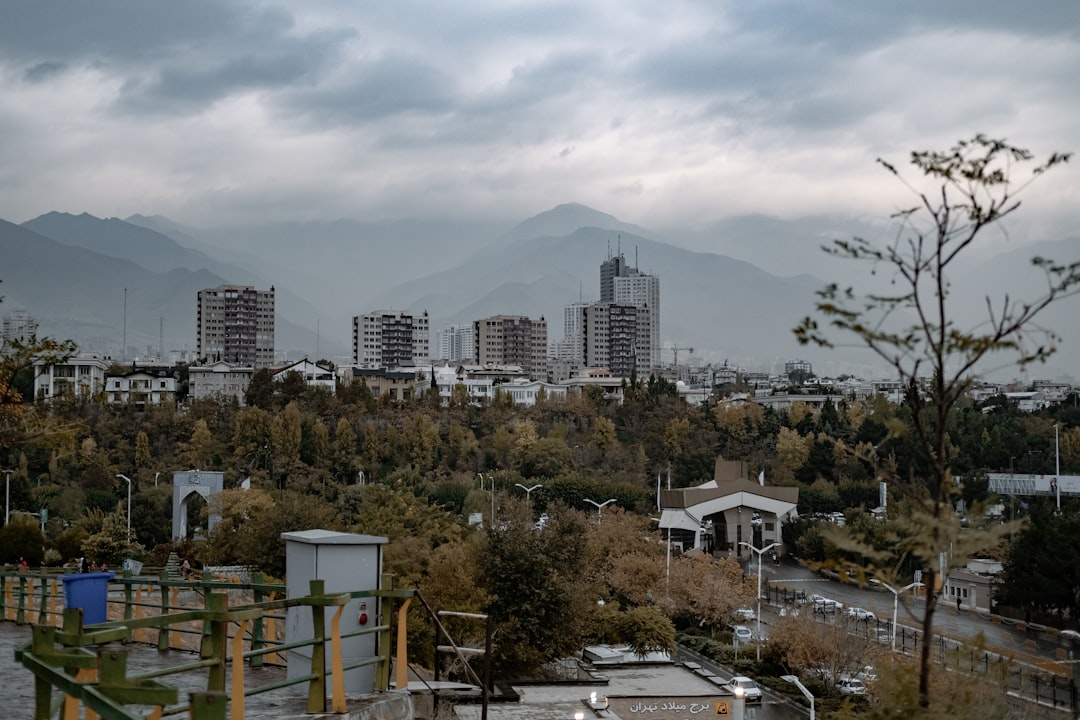
Toxic black rain descended on Tehran following Israeli strikes on oil storage and processing facilities Saturday, exposing approximately 10 million residents to hazardous airborne pollutants in what environmental and health officials are calling an unfolding humanitarian catastrophe.
The oil-laden precipitation, described by Iran's Red Crescent Society as "highly dangerous and acidic," blanketed the capital as dense gray smoke blocked out sunlight during daylight hours. The strikes deliberately targeted energy infrastructure, releasing hazardous materials and petroleum products into the atmosphere that subsequently fell as contaminated rainfall across residential areas.
Esmaeil Baqaei, Iranian Foreign Ministry spokesperson, characterized the attacks as intentional chemical warfare that released poisoning substances across civilian populations. Iranian officials stated the strikes constitute "war crimes, crimes against humanity, and genocide—all at once," citing the deliberate targeting of fuel depots and resulting environmental devastation.
The environmental consequences extend far beyond Iran's borders. Atmospheric scientists warn that airborne petroleum particulates and acidic compounds can travel hundreds of kilometers, affecting air quality across the Middle East region. The combustion of petroleum facilities releases benzene, polycyclic aromatic hydrocarbons, sulfur dioxide, and other carcinogens that pose both acute and long-term health risks.
In climate policy, as across environmental challenges, urgency must meet solutions—science demands action, but despair achieves nothing. Yet this crisis offers no technological fix: the deliberate destruction of industrial infrastructure as a weapon of war represents environmental catastrophe by design.
Trita Parsi, executive vice president of the Quincy Institute for Responsible Statecraft, described conditions in Tehran as resembling "armageddon" and warned that those who advocated for military strikes that have resulted in mass civilian environmental exposure.