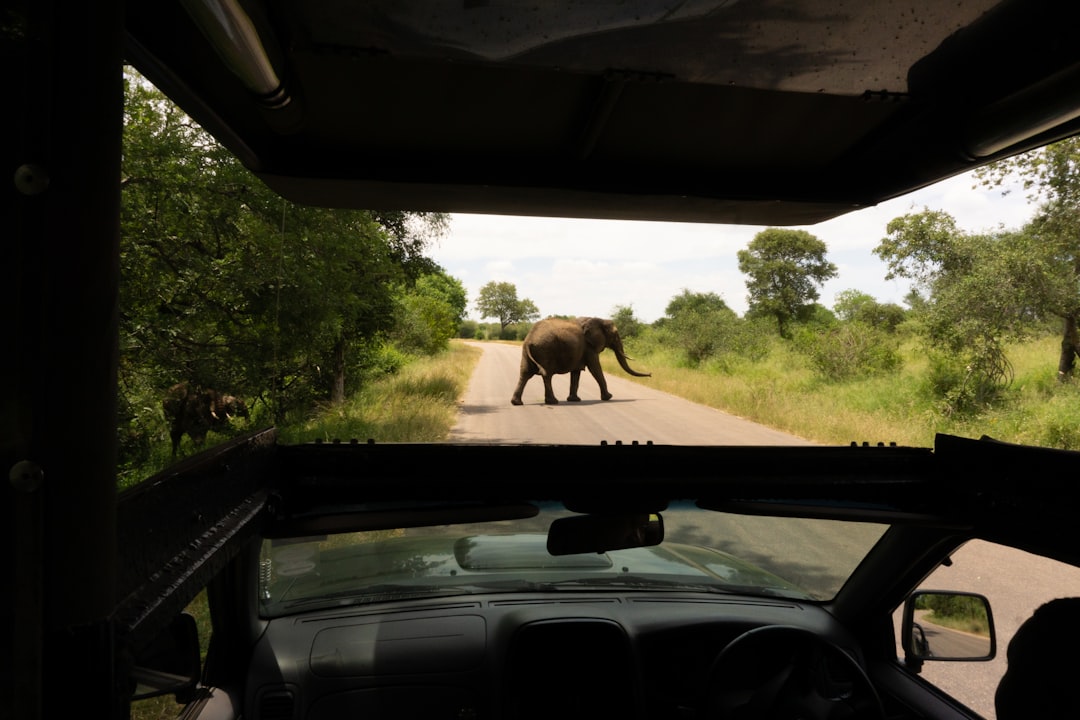
Kruger National Park, South Africa's flagship wildlife reserve and a cornerstone of its tourism industry, became the site of tragedy as missing tourists were found dead within the park's boundaries, according to TimesLive reports.
The discovery has sent shockwaves through South Africa's tourism sector, raising urgent questions about visitor safety in one of the world's most renowned wildlife destinations. While authorities have not yet disclosed the cause of death, the incident threatens to damage the country's international reputation as a premier safari destination at a time when tourism revenues remain critical to economic recovery.
Kruger National Park, spanning nearly 20,000 square kilometers along South Africa's border with Mozambique and Zimbabwe, attracts hundreds of thousands of visitors annually. The park's combination of accessible big game viewing and world-class infrastructure has made it a flagship for African conservation and a vital source of foreign exchange for South Africa.
The incident comes amid broader concerns about safety in South African tourism destinations. While wildlife-related incidents are statistically rare in well-managed parks like Kruger, any tourist fatality raises concerns among international visitors already navigating perceptions about crime and security in South Africa.
In South Africa, as across post-conflict societies, the journey from apartheid to true equality requires generations—and constant vigilance. The country's tourism industry has become emblematic of its democratic promise, showcasing natural wonders while providing employment to communities historically excluded from economic opportunity. Incidents threatening that industry resonate beyond immediate tragedy.
South African National Parks, the government agency managing Kruger, has built a reputation for professional wildlife management and visitor safety protocols. The organization faces pressure to provide swift answers about what happened and whether additional safety measures are necessary.
Tourism stakeholders across the industry are watching closely. South Africa has invested heavily in positioning itself as a safe, accessible destination for international visitors, with tourism contributing significantly to GDP and employment. Any erosion of confidence in flagship destinations like Kruger could have cascading effects on an industry still recovering from pandemic-era disruptions.
The incident also raises questions about resource allocation for park management. Like much of South Africa's public infrastructure, national parks have faced budget constraints and staffing challenges despite their economic importance. Balancing conservation, tourism access, and visitor safety requires sustained investment that competes with countless other demands on government resources.
As investigations continue, the tragedy serves as a reminder of both the inherent risks of wilderness areas and the high stakes for South Africa's international reputation. For a country working to position itself as Africa's economic and tourism leader while addressing persistent inequality and infrastructure challenges, the death of tourists in its most celebrated national park represents a crisis that transcends the immediate incident.
The coming days will be critical as authorities work to determine what happened and whether systemic changes are needed to prevent future tragedies in South Africa's crown jewel of conservation.