Hikers completing the iconic Tour du Mont Blanc report that what was once a straightforward self-guided trek has become a booking nightmare, with refuges filling months in advance and independent travelers increasingly forced to use booking companies just to secure lodging.
The TMB, which circles Mont Blanc through France, Italy, and Switzerland, has long been considered one of Europe's premier long-distance hikes. But its popularity is now actively degrading the experience for the independent hikers who built its reputation.
The Booking Crisis
One hiker who completed the route in September describes the planning challenge: "Booking accommodations along the TMB is not easy. Refuges and hotels fill up months in advance, especially in peak season."
The TMB requires roughly 10-12 days of hiking, covering about 170 kilometers with 10,000 meters of elevation gain. Unlike through-hiking trails with dispersed camping, the TMB route passes through Alpine villages and mountain refuges where camping is restricted or prohibited.
This means hikers must secure accommodation at specific stops along the route, but with no central booking system and limited English-language communication, coordinating 10-12 consecutive night reservations becomes a logistical puzzle.
The Booking Company Solution
Frustrated by the accommodation challenge, many self-guided hikers now book through companies that arrange lodging and luggage transfers—not because they want guided service, but because it's the only way to guarantee a bed.
"We chose a self-guided Tour du Mont Blanc because we wanted flexibility as a couple, but still wanted a structured itinerary," one hiker explains. The company handled "accommodations, luggage transfers, and route planning, which made the entire experience stress-free while still feeling independent."
Luggage transfer services allow hikers to send their main pack ahead while carrying only a daypack, reducing the physical challenge but also changing the nature of the experience. This middle ground between fully guided and truly independent appeals to hikers who want the trail experience without the logistical headaches or full pack weight.
The Overtourism Question
The TMB's booking crisis represents a broader Alpine hiking problem: famous routes are being loved to death. Refuges that were designed for mountaineers and serious hikers now host Instagram tourists who book trips based on photos rather than hiking ability.
The result? Overcrowded refuges, trail erosion, waste management issues, and frustration from both hikers and local communities. Some Alpine communities have begun discussing permit systems or visitor caps, but implementation remains complicated across three countries with different regulations.
Route Planning Confusion
Beyond accommodation, the TMB's multiple route variations confuse planning. "There are multiple variations, and figuring out daily distances and elevation is harder than it looks online," according to recent hikers.
The classic route can be completed clockwise or counterclockwise, with optional variants that add or subtract days, change elevation profiles, or visit different valleys. First-time hikers often struggle to assess which options match their fitness level and interests.
Cost Reality
The TMB is not a budget hike. Expect costs of:
Accommodation: €40-80 per night in refuges (dormitory style), €80-150 in hotels Food: €30-50 daily (refuge meals are expensive, cooking options are limited) Luggage transfer: €200-400 for the full route Booking company packages: €1,500-2,500 per person including accommodation, some meals, and luggage transfer
For comparison, hiking Peru's Inca Trail or Nepal's Annapurna Circuit costs less, even including international flights.
When to Go
Peak season (July-August) offers the best weather but maximum crowds. September provides a sweet spot: refuges are less crowded, weather is still generally good, and autumn colors begin appearing.
June and early July feature wildflowers but lingering snow on high passes. After late September, refuges begin closing and weather becomes unpredictable.
Is It Worth It?
Despite booking frustrations and crowds, hikers consistently rank the TMB among their best trail experiences. "It was honestly one of the best trips we've ever done," one hiker reports, even after navigating the accommodation nightmare.
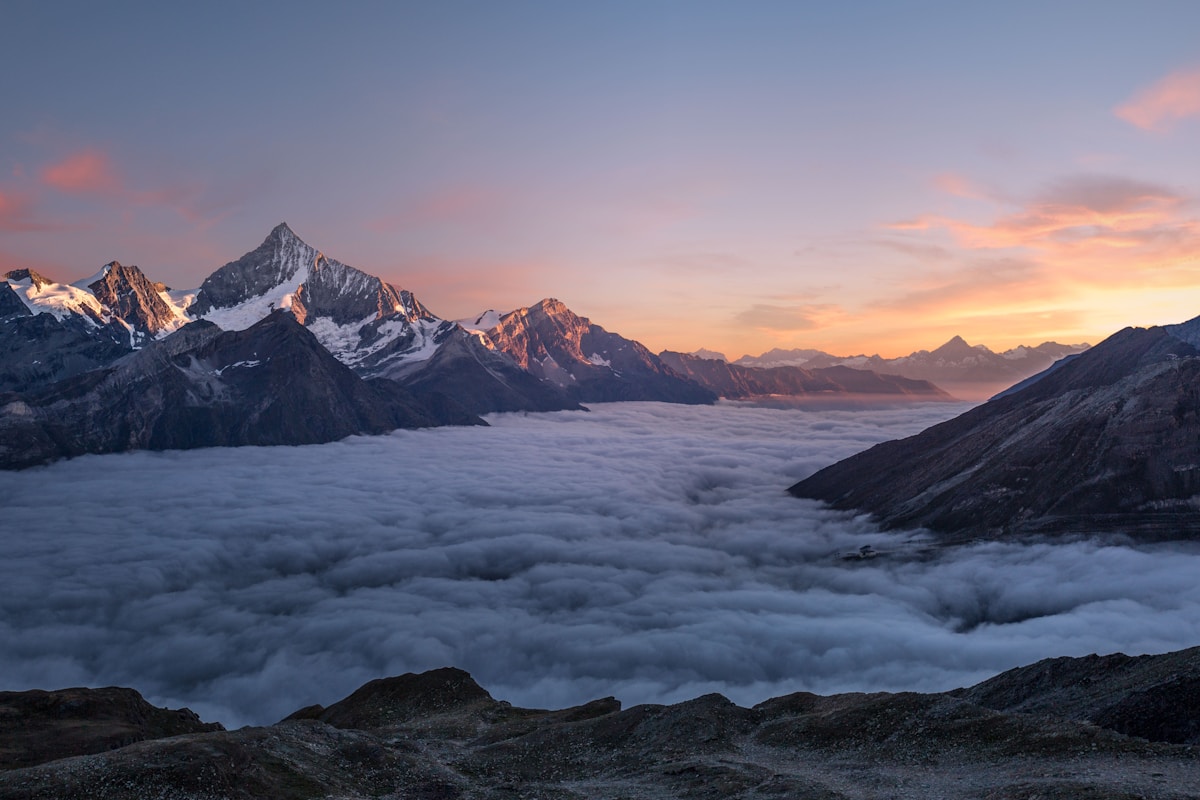
The scenery justifies the hype: glacier views, high Alpine passes, traditional mountain villages, and diverse landscapes across three countries. The infrastructure—while causing the overtourism problem—also makes the hike accessible to people who couldn't manage multi-day wilderness backpacking.
Alternatives to Consider
For hikers frustrated by TMB logistics, several European long-distance trails offer similar Alpine scenery with fewer crowds:
Walker's Haute Route: Chamonix to Zermatt, more challenging and less crowded GR20: Corsica's legendary ridge walk, very challenging Alta Via 1: Dolomites, Italy, spectacular limestone scenery Slovenian Mountain Trail: Crosses Slovenia's Julian Alps, largely unknown to international hikers
The best travel isn't about the destination—it's about what you learn along the way. For TMB hikers, that lesson increasingly involves mastering online booking systems and accepting that famous trails come with famous-trail problems.