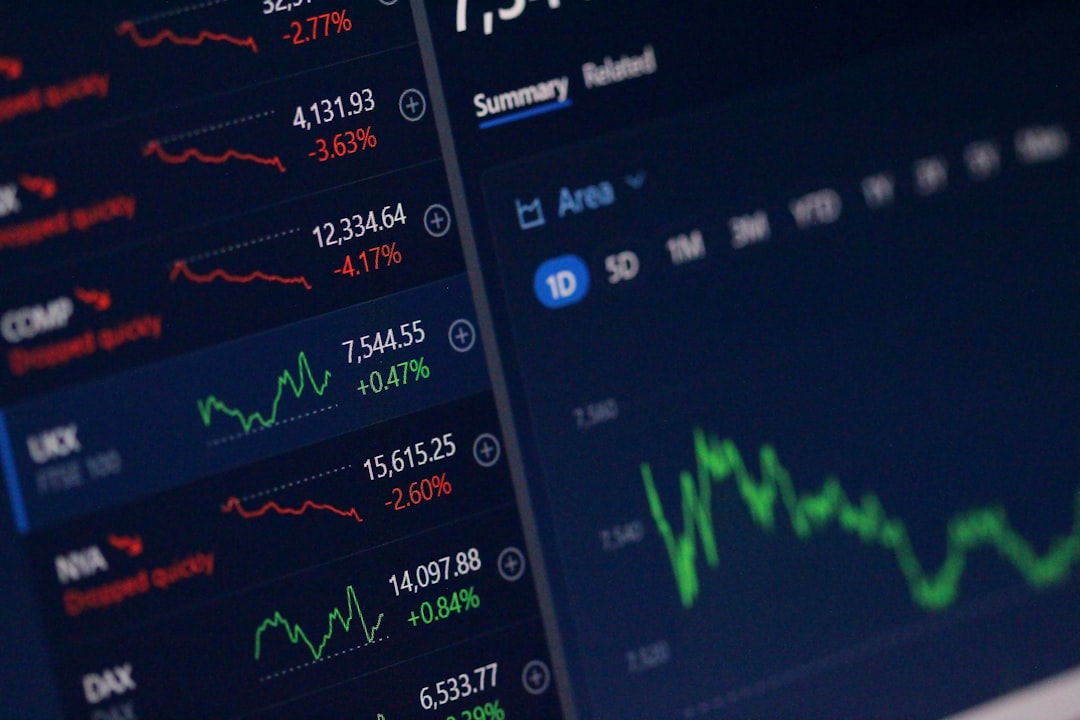

With the CAPE ratio sitting around 37—well above historical averages—the "just wait for cheaper valuations" crowd is out in force. So someone actually tested it. The results aren't pretty.
A comprehensive backtest analyzed 12 different investing strategies over 32 years of S&P 500 data, from January 1994 through December 2025. Same budget for everyone: $500 per month, $192,000 total contributed. Cash waiting periods earned the Fed Funds rate.
The punch line? The strategy of waiting for CAPE to drop below 20 came in dead last, finishing with $828,693. Boring monthly dollar-cost averaging (DCA)? $984,594. That's a $155,901 difference.
Here's the killer stat: CAPE stayed above 20 for 192 consecutive months at one point. That's 16 years. An investor following the "wait for cheap valuations" strategy sat in cash from 1994 to 2009, watching the market compound away while earning Treasury rates. The strategy only deployed capital 5% of the time across the full 32-year period.
Think about that. You'd have missed the entire late-90s tech boom, the 2000s recovery, and the early stages of the financial crisis recovery—all while "waiting for value."
Now, the natural question: What about today's CAPE of 37? That's genuinely high. Historically, starting from CAPE levels around 37, the median 10-year forward real return is about 0.6%. That's not great. It's actually pretty lousy.
But here's the thing the backtest shows: waiting still costs you more than investing at elevated valuations. Why? Because you don't know when the correction comes, how deep it goes, or how long you'll be sitting in cash. And cash drag compounds against you the entire time.
Let me break down the full rankings:
1. Perfect Timer (theoretical): $1,137,488 — Obviously impossible, but sets the ceiling