

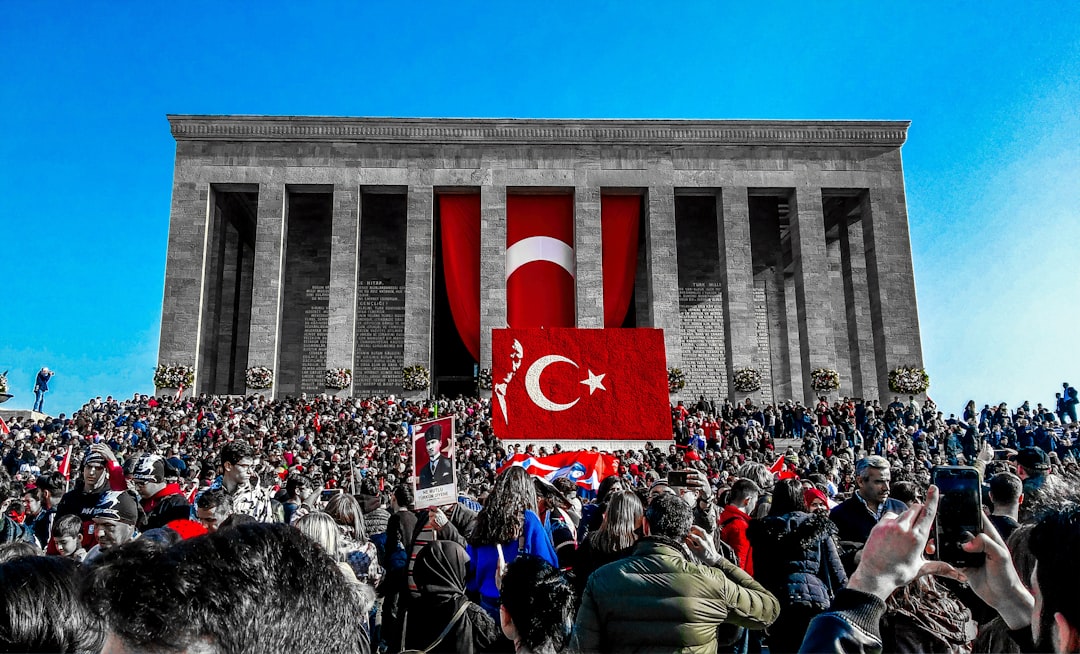
Thousands of supporters filled the streets of Ankara over the weekend in a dramatic show of support for Özgür Özel, the recently ousted chairman of Turkey's main opposition Republican People's Party (CHP), in a development that has thrown the country's opposition movement into turmoil ahead of potential early elections.
The massive rally, which drew supporters from across Ankara and surrounding provinces, came just days after the CHP's party congress voted to remove Özel from his position following months of internal factional disputes. The decision has exposed deep rifts within Turkey's oldest political party, raising questions about the opposition's ability to mount an effective challenge to President Recep Tayyip Erdogan and his ruling Justice and Development Party (AKP).
Özel, who assumed the CHP leadership in November 2023 following the party's disappointing performance in that year's presidential and parliamentary elections, had positioned himself as a pragmatic centrist seeking to broaden the party's appeal beyond its traditional secular, urban base. His tenure saw initial electoral successes, including significant gains in the March 2024 local elections where the CHP captured key municipalities including Istanbul and Ankara.
However, his leadership increasingly faced criticism from both the party's traditional Kemalist wing and younger reformist factions. Critics accused him of being too conciliatory toward the Erdogan government on key issues, particularly regarding Turkey's judicial independence and press freedom. Others within the party argued his strategy failed to adequately address economic concerns that resonate with working-class voters outside major urban centers.
The party congress vote that removed Özel was reportedly narrow and contentious, with allegations of procedural irregularities from his supporters. Ekrem İmamoğlu, Istanbul's popular mayor and a potential presidential candidate, has remained conspicuously silent on the leadership change, fueling speculation about his own political calculations.
In Turkey, as at the crossroads of continents, identity and strategy require balancing multiple worlds. The CHP's internal struggle reflects broader debates about how opposition forces should position themselves in Turkey's increasingly polarized political landscape—whether to adopt confrontational tactics against the government or seek to build broader coalitions through compromise.
Political analysts suggest the timing of the leadership crisis could hardly be worse for the opposition. With Turkey facing persistent economic challenges including high inflation and a weakening lira, and with President Erdogan's approval ratings showing signs of vulnerability, a unified opposition could potentially capitalize on public discontent. Instead, the CHP's internal divisions risk squandering this opportunity.
"This is either the painful necessary restructuring before a genuine renewal, or it's opposition self-destruction," said Professor Zeynep Alemdar of Bilkent University, a specialist in Turkish political parties. "The question is whether the CHP can resolve its identity crisis—between Kemalist nationalism and social democracy, between Istanbul and Anatolia—in time to present voters with a credible alternative."
The protest in support of Özel demonstrated that he retains significant grassroots backing, particularly among younger party members and those who appreciated his efforts to modernize the party's image and messaging. Protesters carried banners denouncing what they called an "undemocratic" removal process and calling for the decision to be reversed.
The newly installed CHP leadership, headed by interim chairman Selin Sayek Böke, a respected economist and former party vice president, has promised to unite the party and focus on economic policy critique of the government. Böke represents the party's technocratic wing and has emphasized evidence-based policy proposals over ideological rhetoric.
Yet her challenge is formidable. The CHP must navigate between its secular founding principles—rooted in the legacy of Turkey's founder Mustafa Kemal Atatürk—and the need to appeal to religiously conservative voters who have traditionally supported the AKP. The party must also bridge geographic and class divides between its urban, educated base and rural, working-class voters.
The opposition upheaval comes at a sensitive moment for Turkey's regional positioning. With Turkey playing critical roles in NATO expansion, Black Sea security, and Syria policy, political instability could affect Ankara's leverage in international negotiations. President Erdogan has skillfully used foreign policy achievements to shore up domestic support, most recently in securing concessions from Western allies on defense procurement and regional security arrangements.
Opposition figures worry that internal party conflicts distract from holding the government accountable on crucial issues including judicial independence, where Turkey has faced criticism from European institutions, and economic management, where high inflation continues to erode living standards for many Turkish families.
For now, the streets of Ankara have witnessed both the passion of the opposition base and the fragmentation of its leadership. Whether the CHP's crisis represents a temporary stumble or a more fundamental fracture will likely determine Turkey's political trajectory in the coming years. In a country where opposition unity has historically been elusive, the stakes of this internal party battle extend far beyond the CHP itself—reaching to the very question of whether Turkey's democratic opposition can provide an effective counterweight to two decades of AKP governance.


