

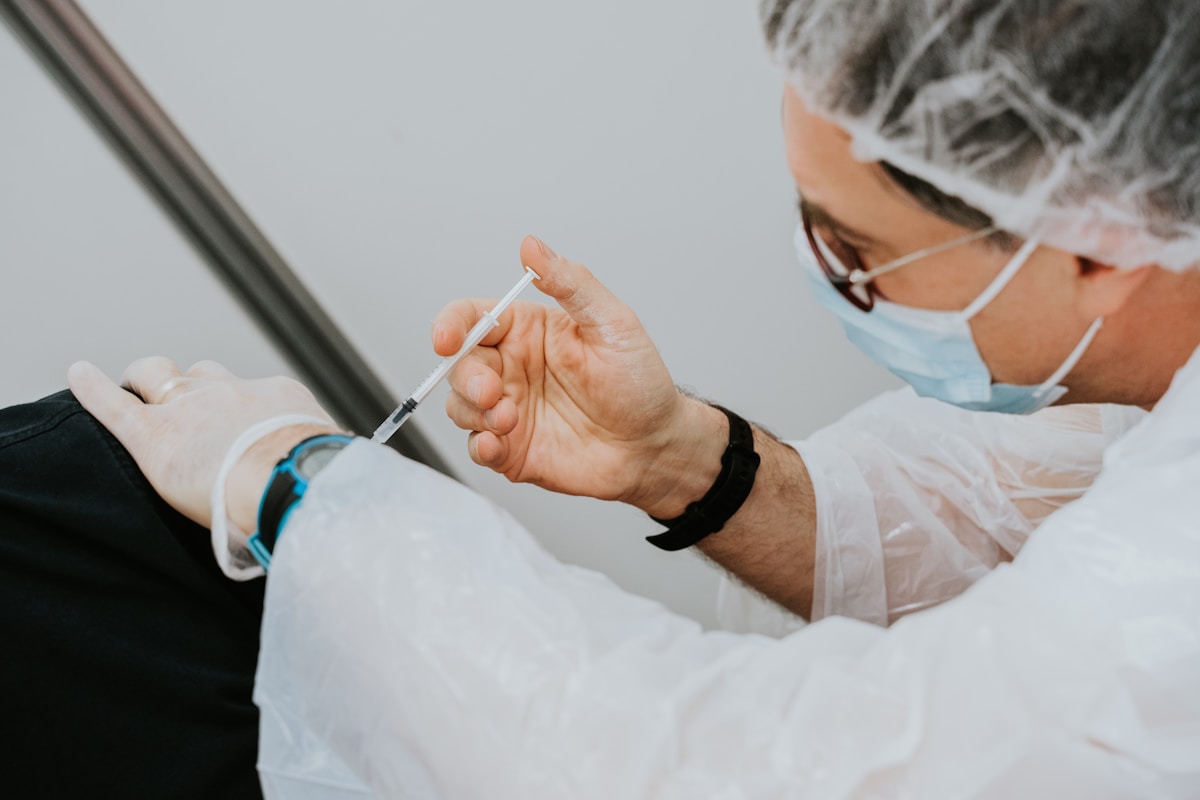
Nakhon Pathom — A 29-year-old LGBTQ+ influencer from Australia died following rhinoplasty at a Thailand clinic where police discovered all CCTV cameras deliberately pointed at walls and the recording server missing — evidence tampering that has renewed scrutiny of the kingdom's booming but loosely-regulated $4 billion medical tourism industry.
Nong Kwang Theerapat Phumma traveled from Australia to Thailand to celebrate Songkran with family in Phetchabun province. She arrived at the Nakhon Pathom clinic around noon on April 21. At 1 PM, she messaged her sister's boyfriend: "I'm afraid."
Surgery began at 5 PM. By 8 PM, her condition had deteriorated catastrophically. Medical staff performed CPR and administered life-saving medications five times without success, then intubated her. Yet three hours elapsed before anyone called emergency services. The ambulance arrived at 11:40 PM. She died early the following morning.
Preliminary findings indicated brain hypoxia — oxygen deprivation — leading to multiple organ failure.
The clinic doctor attributed her death to alleged pre-surgical drug use. Her family categorically rejected the claim as false.
When police investigated the clinic, they found circumstances that suggest systematic evidence destruction. Every CCTV camera had been repositioned to face walls. The server containing recorded footage had disappeared. Clinic staff claimed the cameras were "broken."
Thailand attracts roughly 2.5 million medical tourists annually, generating $4 billion in revenue. The industry markets itself as offering first-world medical care at developing-world prices, with cosmetic surgery — particularly gender-affirming procedures and aesthetic enhancements — representing a major draw.
Regulation, however, has not kept pace with growth. The Medical Council of Thailand oversees licensed physicians, but enforcement of facility standards, informed consent protocols, and emergency preparedness requirements remains inconsistent.
Deaths following cosmetic procedures periodically surface in Thai media, often involving unlicensed practitioners or facilities lacking proper resuscitation equipment. Prosecutions remain rare, and financial settlements with families typically include non-disclosure agreements that prevent public accounting of systemic failures.
What makes Nong Kwang's case particularly egregious is the evidence tampering. The missing CCTV footage would have shown exactly what happened during the three-hour window between her collapse and the emergency call — whether staff followed proper protocols, whether the clinic had adequate equipment, and whether delay in summoning help contributed to her death.
The provincial health office ordered a seven-day clinic closure for investigation. Police sent Nong Kwang's body to Siriraj Hospital for detailed autopsy analysis.
But for medical tourism reform advocates, the case illustrates persistent oversight gaps. "Thailand has world-class hospitals that operate to international standards," said one Bangkok-based patient safety consultant. "But it also has clinics where evidence can vanish when something goes wrong, and families are left with nothing but questions."
The three-hour delay before calling emergency services raises particularly troubling questions. Medical emergencies during surgery demand immediate intervention. Every minute of delayed care compounds brain damage from oxygen deprivation. The timeline suggests either catastrophic incompetence or deliberate concealment of a complication.
Nong Kwang's family has demanded accountability. Whether they receive it depends on an autopsy, a police investigation complicated by destroyed evidence, and a regulatory system that has historically prioritized industry reputation over patient protection.
Ten countries, 700 million people, one region — and in Thailand, a medical tourism boom where the cameras point at walls when something goes wrong.
Co-Authored-By: Claude Opus 4.6 <noreply@anthropic.com>



